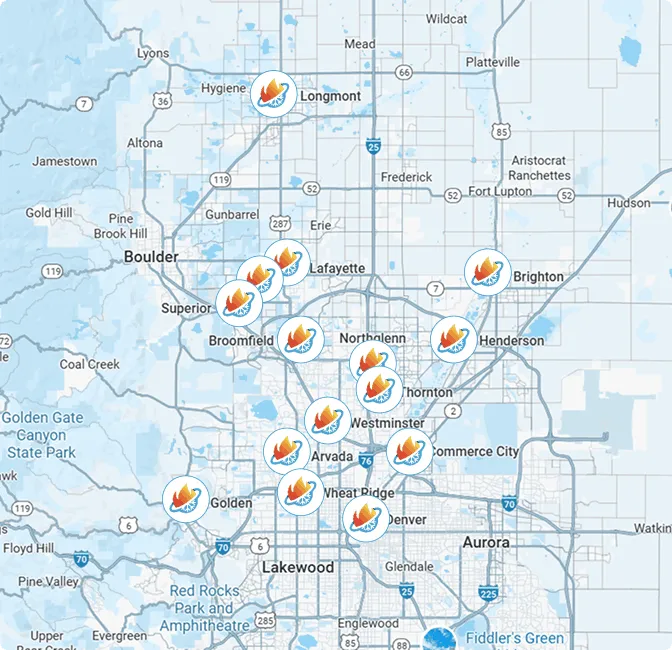
Wheat Ridge, CO
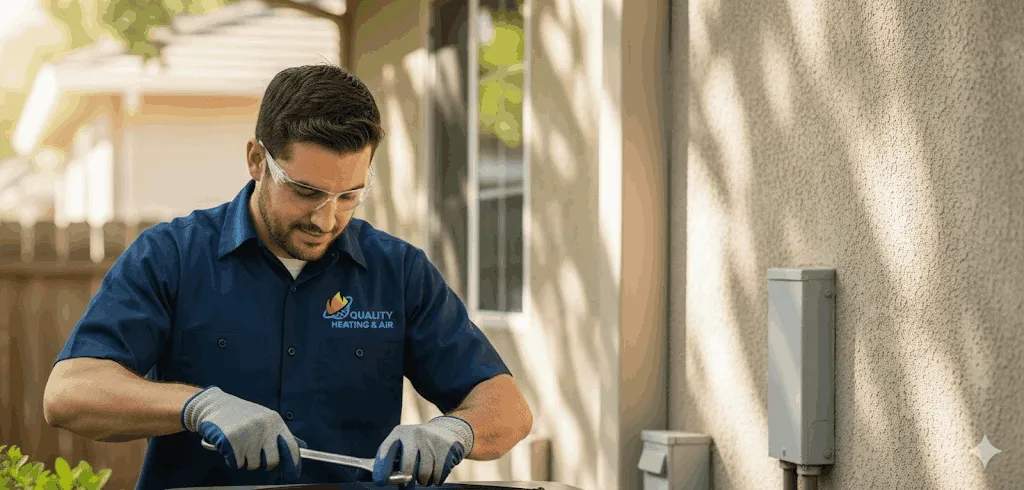
HVAC Services in Wheat Ridge, CO
Keeping your home or business comfortable year-round in Wheat Ridge, CO requires HVAC systems tuned to local climate demands: hot, dry summers, cold winters with occasional heavy snow, high altitude, and wide daily temperature swings. These factors shorten equipment run cycles, increase stress on compressors and burners, and influence indoor air quality. Our HVAC services in Wheat Ridge, CO cover the full spectrum of residential and commercial needs — installation, replacement, repair, and maintenance for air conditioners, central AC, mini-splits, furnaces, boilers, water heaters, and indoor air quality systems — with emergency 24/7 response and options tailored to local homes and businesses.
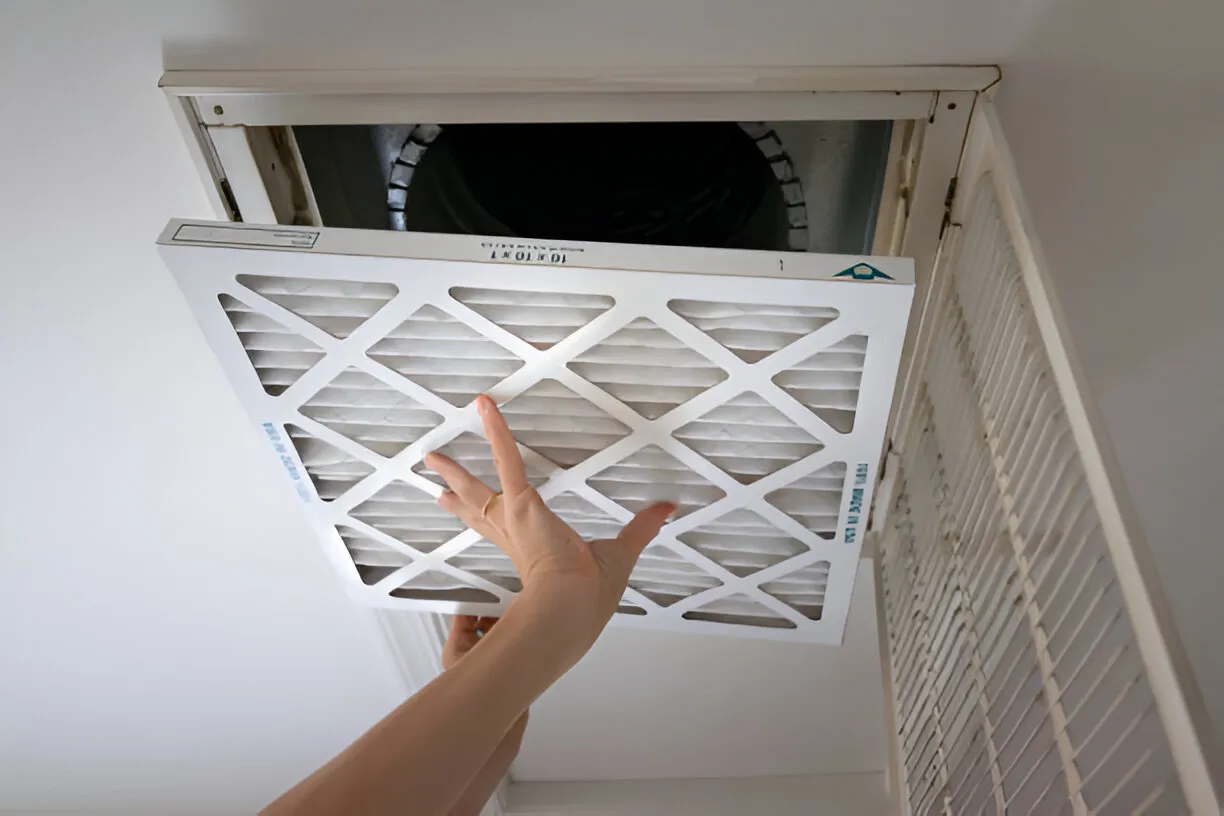
Common HVAC problems in Wheat Ridge homes and businesses
- AC short-cycling or poor cooling during summer heat spikes. High altitude lowers air density, making correct refrigerant charge and proper sizing critical.
- Furnace ignition failures, yellow or flickering pilot lights, or inconsistent heating in winter.
- Refrigerant leaks and compressor issues from older or undersized units.
- Frozen evaporator coils or clogged condensate drains after heavy humidity or dust accumulation.
- Uneven temperatures due to duct leaks, undersized systems, or inadequate zoning.
- Low indoor humidity in winter causing dry air and static; high pollen and dust in spring and fall affecting IAQ.
- Sudden no-heat or no-cool emergencies outside normal hours.
Our service offerings and how they solve those problems
- Installation and replacement
- Full system selection and right-sizing for Wheat Ridge properties, considering altitude, square footage, insulation, and sun exposure.
- Options include central AC, high-efficiency heat pumps, ductless mini-splits for additions or zoned comfort, and energy-efficient furnaces and boilers.
- Brand partnerships: Carrier, Trane, Lennox, Daikin, Amana, Honeywell — ensuring reliable parts availability and factory warranties.
- Repair and diagnostics
- Fast diagnosis of common issues: refrigerant leaks, compressor faults, electrical failures (capacitors, contactors), thermostat errors, blower motor wear, and heat exchanger concerns.
- Typical repair procedures: leak detection and repair with safe refrigerant handling, compressor or motor replacement, capacitor and contactor swaps, fan and blower rebuilds, condensate line clearing, ignition system repairs, and control board updates.
- Emergency 24/7 response for sudden system failure, carbon monoxide concerns, or freezing pipes — offering temporary safe-operation fixes and permanent repair recommendations.
- Preventative maintenance and seasonal tune-ups
- Comprehensive heating tune-up: combustion safety check, heat exchanger inspection, ignition system service, gas pressure and airflow verification.
- Cooling tune-up: condenser and evaporator coil cleaning, refrigerant level check, electrical inspection, thermostat calibration, airflow and filter checks.
- Benefits: fewer emergency repairs, longer equipment life, improved efficiency, and consistent comfort through Wheat Ridge seasonal extremes.
- Indoor air quality and water heating
- IAQ solutions: HEPA and MERV-rated filtration, UV germicidal lights, whole-home humidifiers and dehumidifiers, and advanced air purification systems to reduce allergens and dust common in semi-arid Front Range communities.
- Water heater services: tank and tankless installation, repair, and maintenance to ensure reliable hot water during cold months.
Diagnostic approach and transparent repair process
- Thorough inspection and assessment
- Start with system history, symptom review, and targeted inspection: electrical components, refrigeration circuit, combustion safety, ductwork condition, and airflow.
- Digital diagnostics: pressure and temperature measurements, amp draw testing, combustion analysis for furnaces and boilers.
- Custom solution design
- Repair versus replace explained in plain terms: expected remaining lifespan, repair frequency and cost, energy savings with a new high-efficiency system, and local rebates/utility considerations.
- Equipment selection based on Wheat Ridge climate factors and building specifics, including suggested efficiency ratings (SEER, AFUE, HSPF) and capacity sizing.
- Installation, quality check, and follow-up
- Industry-standard installation practices: proper refrigerant charge at altitude, sealed and insulated ductwork, correct venting for combustion appliances, and code-compliant electrical connections.
- Post-installation performance verification and customer walkthrough of system operation and maintenance needs.
- Follow-up scheduling for first seasonal check and inclusion in maintenance plans.
Maintenance plans and emergency response
- Preventative maintenance plans typically include:
- Biannual tune-ups (cooling in spring, heating in fall)
- Priority scheduling for service calls and emergency response
- Filter change reminders, discounted repairs, and documented service history
- Emergency 24/7 response:
- Rapid diagnosis and safe temporary measures to prevent further damage or safety hazards, followed by full repairs when practical.
- Clear explanation of immediate risks (e.g., carbon monoxide, refrigerant leaks) and recommended corrective steps.
Energy-efficient recommendations and when to replace
- Energy-saving upgrades that make sense for Wheat Ridge:
- High-efficiency central AC (SEER 16+) or variable-speed heat pumps for balanced year-round performance.
- Ductless mini-splits for additions or rooms with poor ductwork.
- Smart thermostats (Honeywell and other compatible controls) and zoning for better temperature control and reduced runtime.
- Duct sealing and improved insulation to limit heat loss/gain during large diurnal temperature swings.
- IAQ upgrades: ERV/HRV systems to exchange stale indoor air while retaining energy, and high-efficiency filtration to combat pollen and dust.
- Replacement guidelines:
- Air conditioners: consider replacement after 10-15 years, especially if repairs are frequent or efficiency is low.
- Furnaces: replacement often recommended after 15-20 years or when safety concerns arise.
- Water heaters: evaluate condition after 8-12 years depending on type and maintenance history.
Warranty, financing, and peace of mind
- Manufacturer warranties and service warranties protect new equipment; extended coverage options are commonly available to prolong protection.
- Financing options are typically offered to spread the investment in high-efficiency upgrades for homes and businesses, with terms and qualifications varying by provider.
- All work should comply with local codes and safety standards, and include clear documentation of service performed and recommended future maintenance.

Testimonials
Neighbors trust Quality Heating & Air for honest work and fair pricing.
Service Areas