
Boiler Installation in Wheat Ridge, CO

Boiler Installation in Wheat Ridge, CO
Upgrading or installing a new boiler is one of the most impactful improvements you can make for year-round comfort and energy efficiency in Wheat Ridge, CO. With cold, snowy winters and high elevation conditions, homes here often require robust, properly sized hydronic systems to maintain even heat and avoid freeze-related issues.
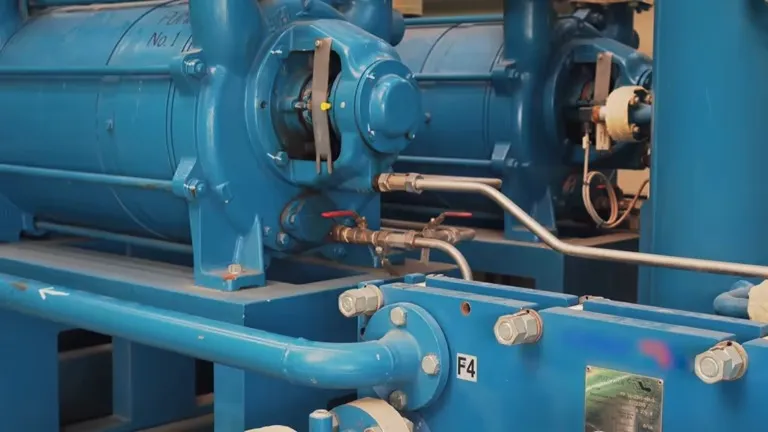
Why a professional boiler installation matters in Wheat Ridge
Wheat Ridge homes range from newer construction to older bungalows with original radiators or cast-iron systems. Incorrect sizing, improper venting for elevation, or insufficient water treatment can cause poor performance, premature failure, and safety risks. A professional installation tailored to local climate and building types ensures reliable warmth, efficient fuel use, and compliance with local codes.
Common boiler system types recommended for Wheat Ridge homes
- High-efficiency condensing boilers (gas or propane): Best for maximizing energy savings in cold climates. These extract extra heat from flue gases and are ideal where long heating seasons justify higher efficiency.
- Modulating-condensing boilers: Adjust output to match heat demand, improving comfort and reducing fuel use in milder shoulder seasons.
- Combi boilers: Provide space heating and domestic hot water in a compact unit; suited for smaller homes or where space is limited.
- Hot water (hydronic) systems vs steam boilers: Hydronic systems are the modern standard for even, controllable heat. Steam systems exist in older Wheat Ridge homes and may require specialist replacement or conversion.
- Electric boilers: Useful where gas is unavailable; simpler installation but generally higher operating cost in Colorado.
Site assessment and load calculations
A thorough installation begins with a site assessment and heat loss calculation specific to your Wheat Ridge home. The process includes:
- Inspecting existing piping, radiators, or underfloor systems and evaluating insulation, windows, and building envelope.
- Performing a heat loss calculation to determine the correct boiler capacity. Right-sizing prevents short cycling and reduces wear.
- Reviewing fuel availability (natural gas, propane, or electric) and venting options considering Wheat Ridge elevation and local venting restrictions.
- Assessing mechanical room accessibility and clearances for service and future maintenance.
Installation timeline and what to expect
Typical residential boiler installations follow a predictable timeline:
- Planning and permitting: 1 to 2 weeks, depending on permit processing.
- Equipment delivery and prep: 1 to 3 days before install.
- Installation day(s): 1 to 3 days for standard replacements; more complex swaps, conversions, or boiler-room reconfigurations can take longer.
- Commissioning and inspection: same day as completion or scheduled shortly after, depending on local inspector availability.
The actual time varies with system complexity, whether piping must be replaced, and permit turnaround with Wheat Ridge or Jefferson County authorities.
Permits and code compliance
Boiler installations require compliance with local building and mechanical codes. Typical steps include:
- Submitting permit applications to City of Wheat Ridge or applicable county jurisdiction.
- Ensuring installations meet fuel gas codes, venting standards, and combustion air requirements (important at higher elevations).
- Scheduling required inspections for gas, mechanical, and final occupancy where applicable.
Following local codes protects safety, ensures insurance coverage remains valid, and supports resale value.
Safety testing and commissioning
A full commissioning process verifies safe and efficient operation:
- Pressure and leak testing of the hydronic system.
- Combustion analysis and venting checks to ensure proper combustion and safe flue operation at Wheat Ridge elevation.
- Functional testing of controls, zone valves, thermostats, and safety devices such as pressure relief valves and low-water cutoffs.
- CO checks and verification of combustion air pathways.
- System balancing and temperature verification throughout the home.
Proper commissioning maximizes efficiency and reduces callbacks.
Manufacturer warranties and registration
New boilers come with parts and sometimes labor warranties that vary by brand and model. Key points to protect your coverage:
- Register the equipment with the manufacturer promptly where required.
- Follow manufacturer-specified maintenance schedules; many warranties require annual professional service.
- Keep installation records and compliance paperwork in case of warranty claims.
Post-installation support and homeowner guidance
After installation you should receive:
- A walkthrough of system operation, thermostat programming, and basic troubleshooting.
- Documentation including installation details, operating manuals, and warranty information.
- Recommended maintenance plan, typically annual tune-ups before winter to verify combustion, controls, and water chemistry.
- Guidance on radiator bleeding, pressure monitoring, and what to do if alarms or unusual noises occur.
Post-installation support ensures long-term performance and homeowner confidence.
Common boiler installation issues in Wheat Ridge and how to prevent them
- Undersized or oversized boilers: both create inefficiency and comfort issues. Accurate heat loss calculations prevent this.
- Improper venting at altitude: high elevation can alter combustion characteristics. Proper vent design and combustion tuning prevent CO and efficiency problems.
- Hard water and corrosion: untreated water shortens component life. Installing water treatment or inhibitors and regular flushing helps extend system longevity.
- Inadequate zoning or controls: leads to uneven heating. Modern zone controls and smart thermostats improve comfort and reduce fuel use.
- Poor insulation or air leaks in the home: increases system run-time. Addressing building envelope issues complements a new boiler.
Benefits of a properly installed boiler
- Improved comfort with consistent, quiet radiant heat.
- Lower energy bills with modern high-efficiency equipment and proper controls.
- Enhanced indoor air quality compared to forced-air systems since hydronic systems do not circulate dust.
- Increased home value and reduced risk of emergency failures in cold months.
- Safer operation when installed and commissioned to local codes.
Maintenance tips to maximize life and performance
- Schedule annual professional tune-ups and combustion checks, especially before the heating season.
- Monitor system pressure and bleed radiators or purge zones to remove air pockets.
- Inspect expansion tanks, relief valves, and visible piping for signs of leaks or corrosion.
- Maintain proper water treatment and flush the system periodically where recommended.
- Keep the boiler area clear for ventilation and service access.
A correctly sized and installed boiler tailored to Wheat Ridge conditions delivers dependable warmth, better efficiency, and peace of mind. Understanding the full installation process, local code requirements, and long-term maintenance needs helps you protect your investment and maintain comfortable, safe heating through Colorado winters.
Promotions
Save on seasonal system checks from a local team that treats your home like our own.

Testimonials
Neighbors trust Quality Heating & Air for honest work and fair pricing.