
Water Heater Installation in Thornton, CO
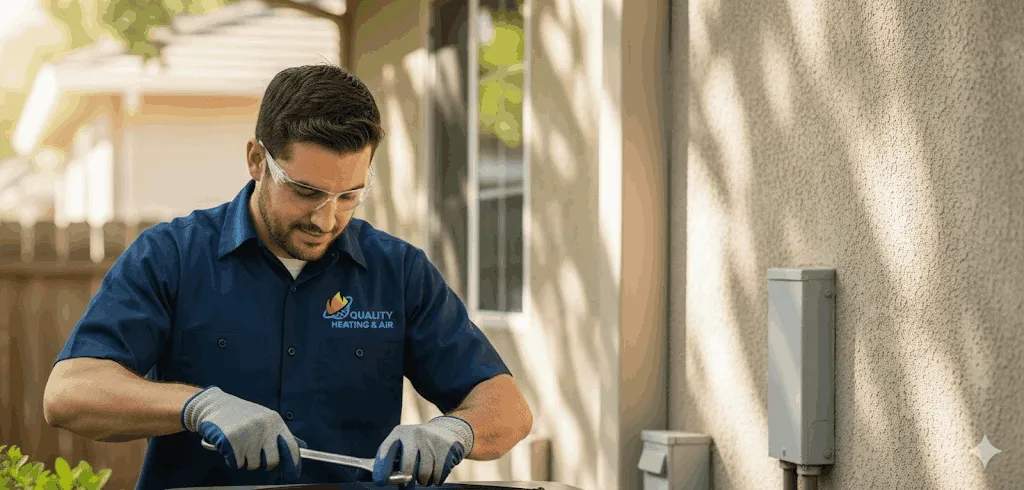
Water Heater Installation in Thornton, CO
Replacing or upgrading your water heater is a major decision for Thornton homeowners. The right installation delivers reliable hot water, lower energy bills, and long-term peace of mind — while the wrong choice can mean frequent repairs, higher operating costs, and code headaches.
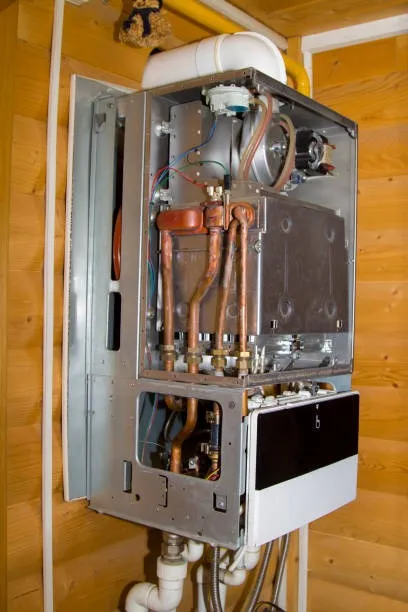
Choosing the right system: tank vs tankless (and hybrids)
- Tank (storage) water heaters
- Pros: Lower up-front complexity, predictable hot water quantity, simpler replacement in existing setups.
- Cons: Standby heat loss, larger footprint, shorter useful life compared with some alternatives.
- Best when: You need a straight swap for an existing tank, or you have high simultaneous hot-water use.
- Tankless (on-demand) water heaters
- Pros: Higher energy efficiency for many households, near-continuous supply of hot water, smaller footprint.
- Cons: Higher installation complexity for retrofit jobs, initial cost, may require upgraded gas or electrical service.
- Best when: You want long-term efficiency, limited space, or lower operating costs over time.
- Heat pump (hybrid) and condensing models
- Pros: Excellent energy savings, especially in heated utility spaces; condensing gas models can offer very high efficiencies.
- Cons: Heat pumps perform best in moderate/warmer mechanical spaces; condensing units require proper condensate handling.
- Best when: You are focused on maximizing efficiency and have space and conditions suitable for these technologies.
In Thornton, hard water and the seasonal temperature swings of the Denver metro area can influence your choice. Tankless units and condensing systems may require more attention to mineral buildup; heat pump units work best where the area around the unit won’t get excessively cold in winter.
Sizing calculations based on household demand
Correct sizing prevents cold-water interruptions and unnecessary cycling. Typical steps used for sizing:
- Inventory peak simultaneous uses (showers, dishwasher, washing machine). Estimate GPM (gallons per minute) for each fixture.
- For tank systems, use first-hour rating (FHR) to match peak-hour demand. FHR refers to how much hot water a heater can deliver in the first hour of use.
- For tankless systems, calculate required GPM and temperature rise (desired output temp minus incoming groundwater temp). Choose a unit rated to deliver that GPM at the needed temperature rise.
- Account for future household changes — additional bathrooms, hot tubs, or higher usage patterns.
Technicians performing a Water Heater Installation in Thornton, CO will factor in colder incoming water temperatures in winter, local elevation effects on combustion appliances, and any available space or venting constraints.
Energy-efficiency options and local considerations
- ENERGY STAR-qualified models and high-efficiency condensing gas units reduce energy use.
- Heat pump water heaters deliver significant electricity savings when installed in suitable locations.
- Tankless systems reduce standby losses but performance depends on correct sizing and maintenance.
- In Thornton, seasonal utility patterns and potential local incentives can influence return on investment for higher-efficiency equipment. Mineral content in local water (hardness) also affects long-term efficiency and maintenance scheduling.
Permits, code compliance, and safety requirements
Water heater installations must meet local and state codes. Common compliance areas include:
- Permit acquisition and inspection through City of Thornton or Adams County as applicable.
- Proper venting, combustion air, and flue sizing for gas-fired appliances; correct pressure relief valve discharge piping.
- Gas line sizing and connections, electrical service and disconnects, and bonding/grounding for electric units.
- Installation of expansion tanks when required by backflow prevention or closed domestic systems.
- Drain pan and condensate routing for units installed over finished spaces.
- Altitude and combustion adjustments for gas appliances to ensure safe, efficient operation at Thornton’s elevation.
A code-compliant installation preserves safety and helps maintain manufacturer warranties.
Typical installation process and timeline
- Initial assessment and system selection (site visit and load calculation).
- Permit submission and approval (timing varies by jurisdiction).
- Equipment delivery and pre-install preparation (upgrades to gas, venting, or electrical if needed).
- Removal of the old unit and safe disposal.
- Installation of the new water heater, including piping, venting, electrical or gas hook-up, and required safety devices.
- Start-up, commissioning, and testing (temperature, pressure, leak checks, combustion testing for gas units).
- Final inspection and paperwork for permits and warranties.
Most straightforward tank replacements are completed in a single day. Complex retrofits, venting changes, or upgrades to gas/electrical service may extend the timeline to multiple days.
Removal, disposal, and environmental considerations
Old tanks must be drained, disconnected from gas/electrical supplies, and removed responsibly. Metal tanks and components can often be recycled. Condensing and gas units require safe handling of combustion-related materials. Proper disposal reduces environmental impact and avoids homeowner liability.
Warranty and manufacturer information
Warranties vary by manufacturer and by component (tank, heat exchanger, controls). Typical considerations:
- Tank warranties often cover the tank and are prorated over time.
- Heat exchangers and parts may have separate coverage.
- Proper installation by a qualified technician and timely registration with the manufacturer is usually required to preserve warranty rights.
- Extended warranty options may be available directly from manufacturers or third-party providers.
Always review warranty terms for labor coverage, component coverage, and maintenance requirements.
Post-installation testing and maintenance tips
Proper testing at handover ensures long-term performance:
- Confirm output temperature, test pressure relief valve operation, and inspect venting and combustion in gas units.
- Check for leaks and verify insulating and seismic strapping if required.Maintenance to extend service life and maintain efficiency:
- Flush tank-style water heaters annually to reduce sediment buildup — critical in Thornton’s harder water.
- Descale or perform a maintenance flush on tankless units every 12–24 months depending on water hardness.
- Inspect and replace anode rods as needed for tank units.
- Keep venting and combustion air paths clear and have periodic combustion efficiency checks for gas heaters.
- Consider a water softener or scale prevention system if mineral buildup is a recurring concern.
Benefits of a professional, code-compliant installation
A properly executed Water Heater Installation in Thornton, CO ensures safe operation, optimal hot-water delivery, and preserved warranty coverage. It minimizes surprise repairs, improves energy efficiency, and adapts the system to local conditions like water hardness and elevation. For homeowners focused on comfort, reliability, and long-term value, careful system selection, correct sizing, and regular maintenance are the keys to a successful installation and years of dependable hot water.
Promotions
Save on seasonal system checks from a local team that treats your home like our own.

Testimonials
Neighbors trust Quality Heating & Air for honest work and fair pricing.