
Water Heaters Service In Thornton, CO
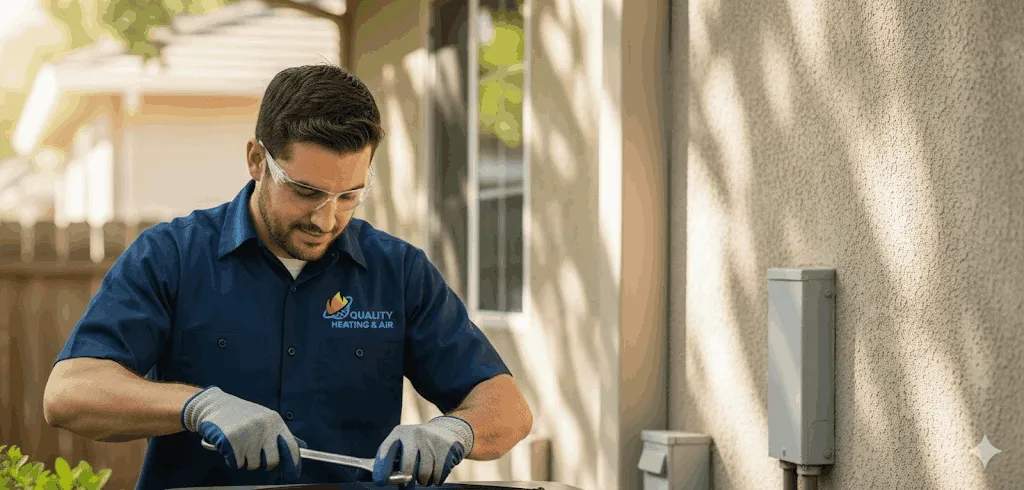
Water Heaters in Thornton, Colorado
A reliable hot water supply is essential for everyday comfort — showers, laundry, dishwashing and home heating systems depend on it. In Thornton, Colorado, seasonal temperature swings, mineral-rich groundwater, and older plumbing in many neighborhoods make water heater choice, maintenance, and timely repairs especially important. This page explains the common water heater services Thornton homeowners need, how different systems compare, guidance for sizing, routine maintenance to prevent leaks and sediment buildup, warranty and replacement planning, and where to look for financing or rebates on energy-efficient upgrades.
Common water heater issues in Thornton and the services homeowners need
- Tank water heater leaks and corrosion — often due to age and a failed tank lining or anode rod.
- Lack of hot water or inconsistent temperatures — caused by failed heating elements, a defective gas valve or thermostat, or excessive sediment.
- Sediment buildup and noisy tanks — mineral accumulation from hard water reduces efficiency and causes popping or rumbling.
- Rapidly rising energy bills — inefficient or undersized systems, or failing parts.
- Pilot light or ignition problems on gas units — common after winter shutdowns or if venting is restricted.
- Emergency hot-water restoration — temporary fixes, isolating leaks, replacing failed parts, or installing a temporary solution to restore hot water until a permanent repair or replacement can be completed.
Service types typically offered:
- Tank water heater installation and replacement (gas, electric)
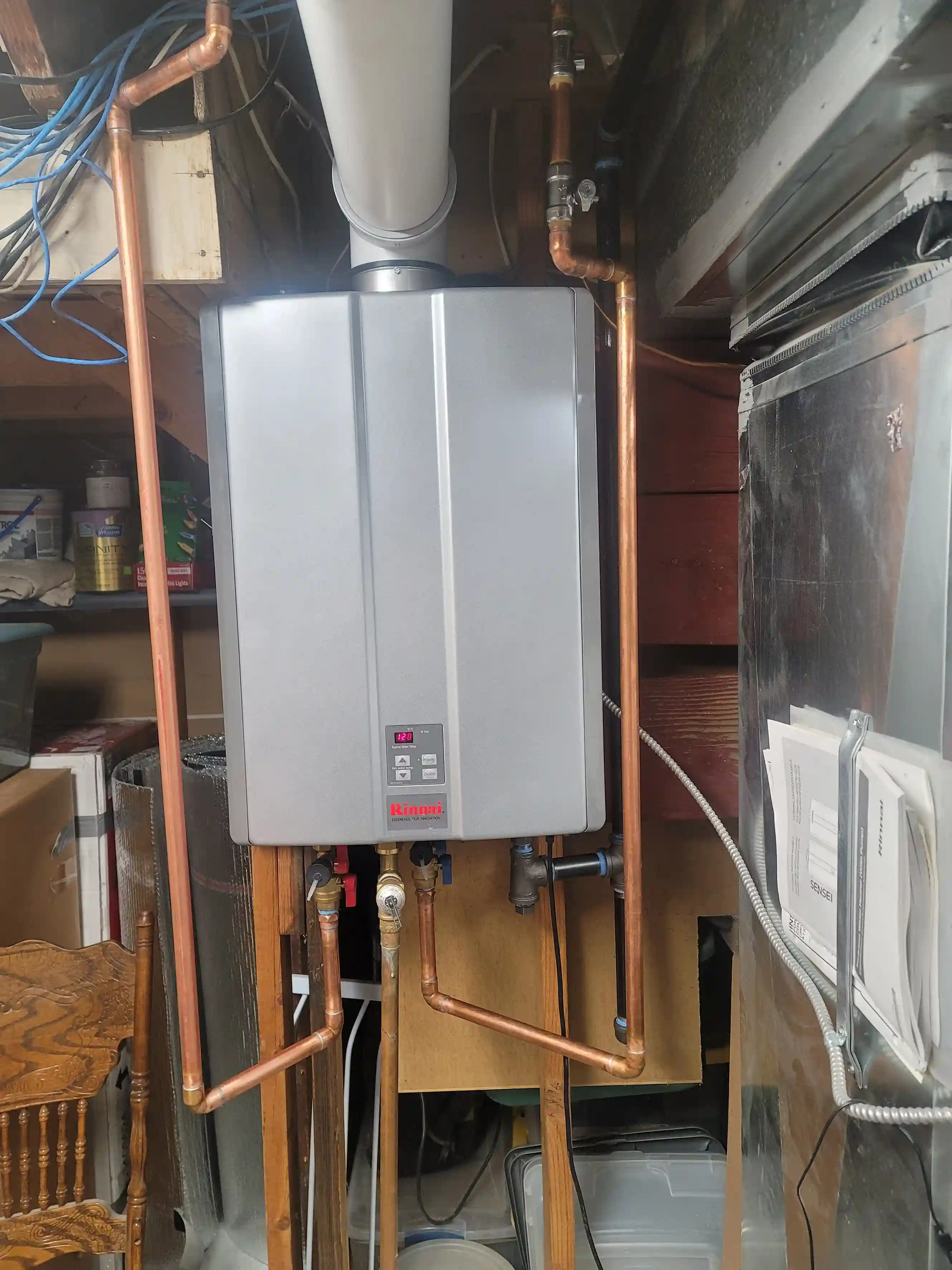
- Tankless (on-demand) system installation and conversion
- Heat pump / hybrid water heater installation and evaluation
- Solar-ready or solar water-heating integration assessment
- Diagnostic repair and parts replacement (elements, thermostats, valves)
- Emergency hot-water restoration and temporary solutions
- Preventive maintenance and annual flushes
How diagnostics and repair work (what to expect)
- Initial assessment: Technicians inspect the unit, water supply, venting (for gas), water pressure, and piping. They note visible corrosion, leaks, and signs of sediment.
- Operational tests: Pilot/ignition, thermostats, heating elements, dip tube and temperature-pressure (T&P) relief valve are tested. For tankless units, flow sensors and igniters are checked.
- Water quality check: Hardness and mineral content are considered because high mineral content drives maintenance frequency and influences system choice.
- Repair vs replacement evaluation: Technicians estimate remaining service life, repair cost versus replacement value, warranty status, and energy-efficiency tradeoffs.
- Emergency restoration: For no-hot-water emergencies, temporary fixes can include replacing a failed element, lighting or repairing ignition systems, bypassing a leaking section, or installing a temporary electric tank until a permanent solution is scheduled.
Tank vs tankless vs hybrid: energy-efficiency and suitability in Thornton
- Tank water heaters (gas or electric)
- Pros: Lower upfront cost, straightforward installation, reliable stored hot water for multiple simultaneous uses.
- Cons: Standby heat loss, shorter typical lifespan (8–12 years), more vulnerable to sediment accumulation in Thornton’s mineral-rich supply.
- Tankless (on-demand)
- Pros: Higher efficiency for intermittent use, longer lifespan (15–20 years), smaller footprint.
- Cons: Higher upfront cost and installation complexity; require proper sizing for simultaneous fixtures; mineral buildup can be an issue without regular descaling in hard-water areas.
- Heat pump / hybrid water heaters
- Pros: Most energy efficient for electric systems, significant operating cost savings in many homes.
- Cons: Larger physical space required, best performance in moderate-temperature basements or closets; may be less efficient in extremely cold spaces.
- Solar-ready systems
- Pros: Great fit for Colorado’s high solar resource; can dramatically reduce energy use when integrated correctly.
- Cons: Higher initial investment, site-specific suitability (roof orientation, shading).
Energy-efficiency metrics to consider: look for high Uniform Energy Factor (UEF) ratings, Energy Star qualification for electric/heat pump models, and estimated annual operating costs. In Thornton, the abundant sunshine makes solar or hybrid combinations attractive for long-term savings.
Sizing guidance based on household needs
- Tank water heaters (storage capacity)
- 1–2 people: 30–40 gallon tank
- 2–3 people: 40–50 gallon tank
- 3–5 people: 50–75 gallon tank
- 5+ or frequent simultaneous use: 75+ gallons or consider multiple units or tankless solutions
- Tankless water heaters (flow rate in gallons per minute, GPM)
- Single shower/handwash: 1.5–2.0 GPM
- Shower + small appliance (dishwasher): 3–5 GPM
- Whole-house with multiple simultaneous showers: 6–10+ GPM
- Important local factor: incoming groundwater temperature in Thornton is colder in winter, increasing the temperature rise required. When choosing a tankless unit, factor in the colder inlet temperature to ensure the unit achieves desired outlet temperatures at your expected flow rates. Professional sizing that measures your current peak use and incoming water temperature is recommended.
Maintenance tips to prevent leaks and sediment buildup
- Flush storage tanks annually (or more often with hard water) to remove sediment that reduces efficiency and can cause overheating and leaks.
- Inspect and replace the sacrificial anode rod every 3–5 years or when heavily corroded; this protects tank linings from rust.
- Test the T&P relief valve yearly to ensure it operates freely and is not corroded.
- Insulate older tanks and hot-water piping to reduce standby losses and improve delivery temperature.
- For tankless units, schedule descaling (acid flush) annually or on the manufacturer’s recommended interval in areas with moderate to hard water.
- Keep the surrounding area clear, ensure proper venting for gas units, and watch for early signs like rumbling noises, rusty water, frequent cycling, or slow recovery time.
Warranty, replacement planning, and signs it’s time to replace
- Typical lifespans: tank heaters 8–12 years; tankless 15–20 years; heat pump units vary but can last 10–15 years with good maintenance.
- Warranties commonly range from 6 to 12 years on storage tanks and 10+ years on some heat exchangers or tankless components — check manufacturer specifics and retained records when evaluating options.
- Replacement indicators:
- Visible leaks or rust at the tank seam
- Frequent repairs or repeated part failures
- Significant drop in hot water capacity or long recovery times
- Rising energy bills despite normal usage
- Discolored or metallic-tasting hot water
- Replacement planning tip: budget and schedule replacement before catastrophic failure — planning allows you to choose an energy-efficient upgrade that matches household needs and local incentives.
Financing and rebates — what Thornton homeowners should check
- Energy-efficient upgrades such as heat pump water heaters, certain tankless models, and solar-ready systems often qualify for federal tax credits and state or utility rebates. Thornton homeowners should check current federal efficiency credits and local utility incentives that reward low-energy equipment.
- Local utility providers and municipal programs periodically offer rebates for high-efficiency water heaters, solar systems, and heat pump installations. Documentation of equipment model and installer certifications may be required.
- Many manufacturers and local contractors offer financing plans to spread upfront costs for higher-efficiency systems. Compare estimated long-term operating savings versus initial investment when evaluating options.
Promotions
Save on seasonal system checks from a local team that treats your home like our own.

Testimonials
Neighbors trust Quality Heating & Air for honest work and fair pricing.