
Furnace Installation in Thornton, CO
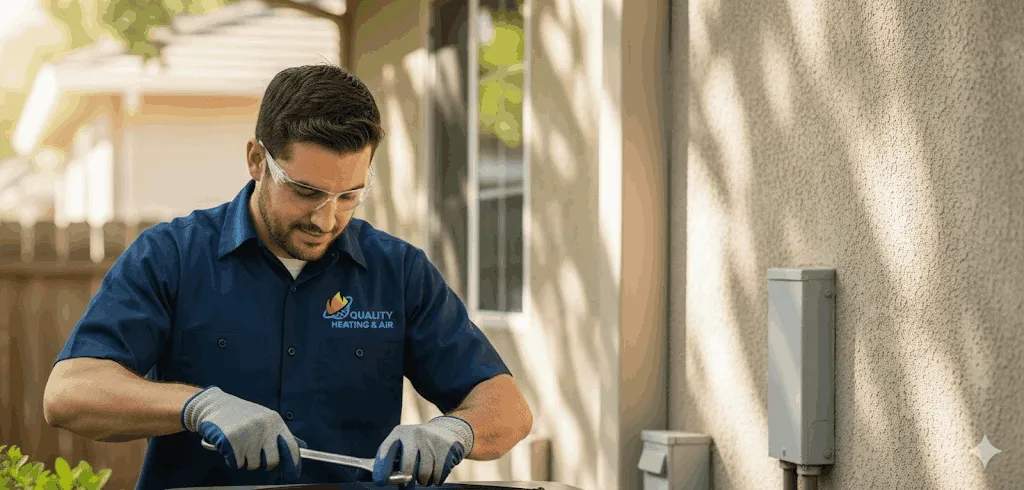
Furnace Installation in Thornton, CO
A properly sized and professionally installed furnace is essential for reliable, efficient winter comfort in Thornton, CO. With cold winters, big temperature swings between day and night, and moderate elevation, Thornton homes benefit most from a furnace installation that accounts for local climate, high-altitude combustion characteristics, and energy-efficiency goals.
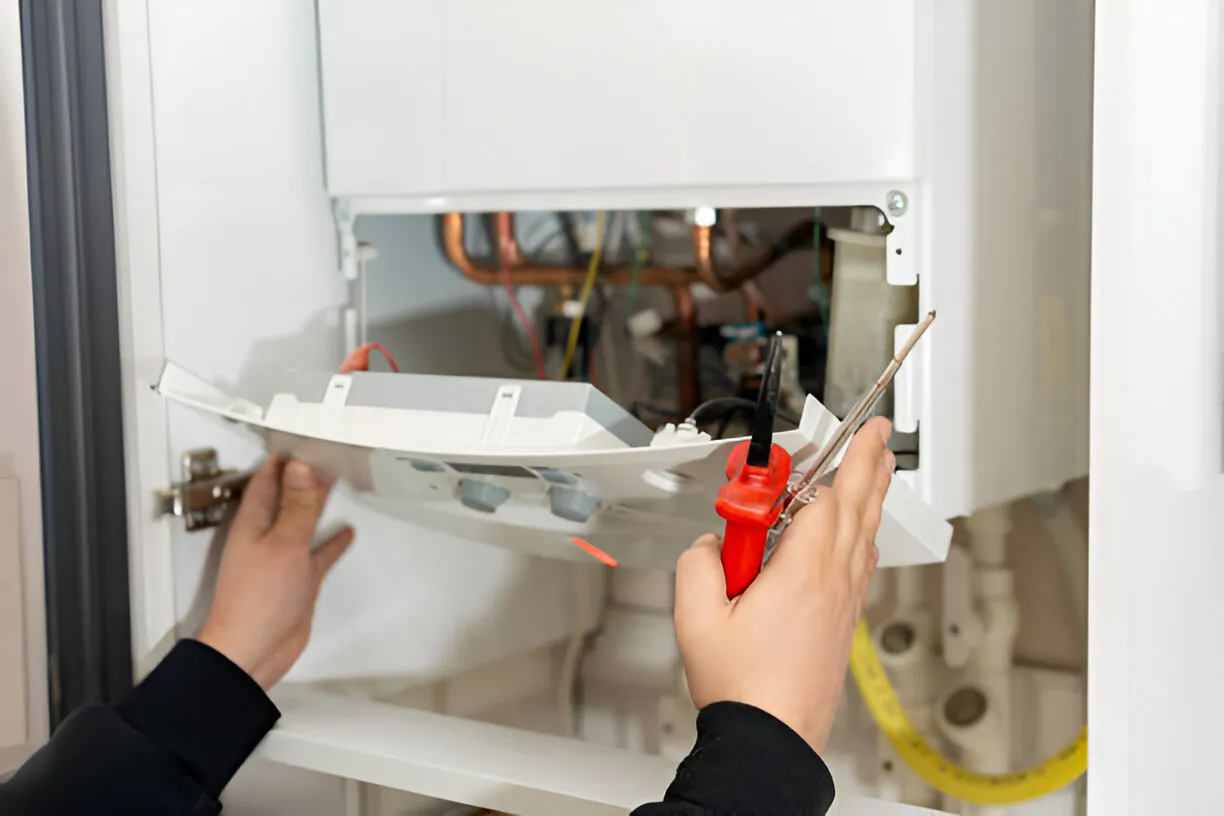
Why a professional furnace installation matters in Thornton, CO homes
Thornton experiences winter lows and substantial heating demand that can expose inefficient or incorrectly sized systems. A professional installation:
- Ensures the furnace is sized correctly for your home’s heat loss and layout, preventing short cycling and uneven heating.
- Accounts for elevation and combustion air requirements so gas furnaces operate safely and at rated efficiency.
- Delivers proper venting, gas line sizing, and electrical connections to meet local code and safety standards.
- Integrates with your ductwork and thermostat for consistent, energy-efficient performance through the heating season.
Common furnace problems that lead homeowners to seek replacement or installation
- Rising energy bills despite regular use — often caused by aging, low-efficiency equipment.
- Uneven temperatures or poor airflow in rooms — a sign of improper sizing or ductwork issues.
- Frequent short cycling — indicates an oversized unit or control problems that shorten furnace life.
- Repeated breakdowns and costly repairs on older units where replacement becomes more economical.
- Safety concerns such as cracked heat exchangers or suspected carbon monoxide leaks.
Understanding these issues helps homeowners decide whether a full furnace replacement or a targeted repair is the best path.
Equipment selection: sizing, efficiency, and features
Equipment recommendations are based on your home’s specific needs:
- Accurate sizing starts with a heat load calculation (Manual J) that evaluates square footage, insulation, window area, orientation, and local climate. This prevents problems associated with oversizing or undersizing.
- Efficiency goals range from basic standard-efficiency models to high-efficiency condensing furnaces with AFUE ratings above 95%. Thornton homeowners often choose higher-efficiency units to reduce winter energy usage.
- Consider features like variable-speed blowers for quieter operation and improved comfort, modulating burners for consistent temperatures, and compatibility with modern thermostats for better control.
- Altitude considerations: at Thornton’s elevation, some gas furnaces require tuning or specific models rated for high elevation. Sealed combustion furnaces are often preferable for more reliable performance and safety.
Supported brands commonly installed include Carrier, Trane, Lennox, Daikin, Amana, and other industry leaders known for reliability and warranty support. Choose a model whose warranty matches your expectations for parts and, where available, labor coverage.
Permit, code compliance, and safety requirements
A complete installation includes securing required permits and adhering to local building and mechanical codes. This ensures:
- Proper venting and combustion air supply per code.
- Correct gas line sizing and leak testing.
- Installation of required safety devices such as spill switches and carbon monoxide alarms where applicable.
- Final inspections and documentation needed for code compliance and warranty validation.
Local municipal codes and Colorado state requirements guide these steps; professional installers coordinate permits and inspections to keep your installation compliant.
Typical furnace installation process and timeline
A standard installation process for a single-family home generally follows these steps and is commonly completed in one to two days, depending on complexity:
- Initial consultation and home assessment — review existing system, perform load calculation, and discuss efficiency goals and budget.
- Equipment selection and permit submission — select model and obtain necessary permits.
- Preparation — schedule installation, protect floors and belongings, and prepare access points.
- Removal of old equipment — safely disconnect, remove, and dispose of or recycle the old furnace.
- Installation — set new unit, connect gas, electrical, ductwork, and venting, and install controls and thermostat.
- System commissioning — power-up sequence, burner and safety checks, airflow balancing, and programming the thermostat.
- Final inspection and homeowner walkthrough — verify system operation, explain maintenance needs and warranty registration.
Complex projects such as adding new ductwork, converting fuel types, or installing condensing units that require additional condensate handling can extend the timeline.
Quality assurance checks and system commissioning
Before a completed installation is accepted, technicians perform thorough checks:
- Leak testing of gas connections and verification of venting integrity.
- Carbon monoxide testing to confirm safe combustion.
- Airflow and temperature split measurements to validate heating performance.
- Static pressure checks when ductwork has been modified or replaced.
- Electrical and control verification, including thermostat calibration and programming.These checks ensure your new furnace runs safely and meets the promised efficiency and comfort levels.
Warranties and documentation
New furnaces typically include manufacturer warranties for the heat exchanger and parts; some brands offer extended coverage when registered. Professional installers also provide installation documentation and may offer workmanship guarantees. Keep warranty paperwork and commissioning records in a safe place — they are essential if service or claims are needed later.
Aftercare and maintenance recommendations
Proper aftercare extends furnace life and preserves efficiency:
- Schedule an annual professional tune-up before the heating season to inspect burners, heat exchanger, controls, and safety devices.
- Replace or clean filters regularly — typically every 1–3 months depending on filter type and household conditions. Use a filter rating that balances particulate capture with airflow needs (discuss MERV choices with your installer).
- Ensure ductwork is sealed and insulated where needed to avoid heat loss.
- Install and maintain carbon monoxide detectors on each level of the home.
- Register manufacturer's warranties promptly and follow recommended service intervals.
A professional furnace installation tailored to Thornton’s climate and elevation delivers consistent comfort, improved energy efficiency, and peace of mind through code-compliant, safety-focused workmanship. Properly selected and commissioned equipment reduces operating costs, minimizes repairs, and provides reliable warmth throughout Colorado winters. Regular maintenance keeps the system at peak performance, protecting your investment for years to come.
Promotions
Save on seasonal system checks from a local team that treats your home like our own.

Testimonials
Neighbors trust Quality Heating & Air for honest work and fair pricing.