
Furnace Replacement in Thornton, CO
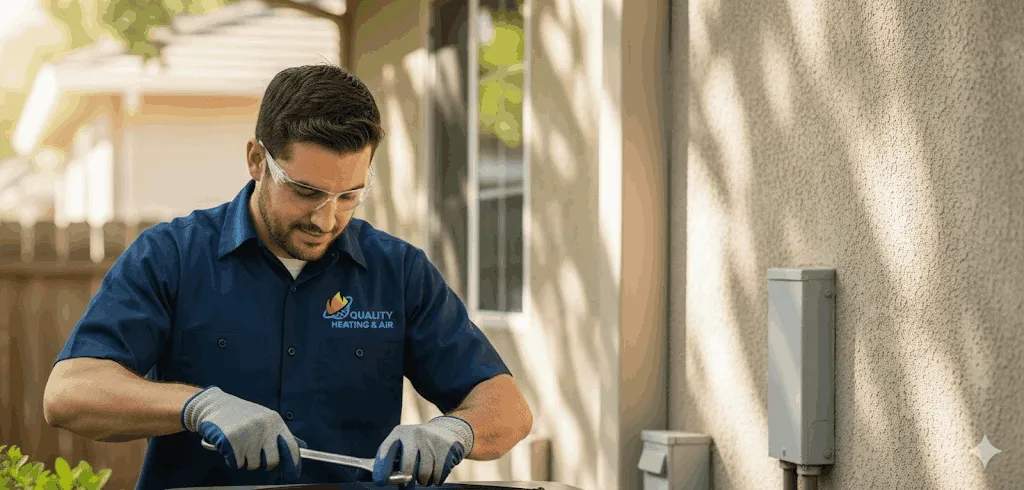
Furnace Replacement in Thornton, CO
Upgrading your home heating system is a major decision. Furnace replacement in Thornton, CO delivers long-term comfort, lower energy bills, and improved safety when the existing unit is past its useful life or cannot meet your home’s needs. At Thornton elevations and climate, proper combustion tuning, correct sizing, and attention to ductwork matter more than brand alone. Prioritize a complete home assessment, a Manual J load calculation, and a clear understanding of warranties and rebate eligibility. Replacing your furnace is a technical job with long-term implications for safety, comfort, and energy use; a professional, code-compliant installation tuned for local conditions delivers the best return on investment.
Why replace your furnace now: common signs and local reasons
Thornton winters are cold and dry, and the local elevation affects airflow and combustion. Replace when you notice:
- Age over 15 to 20 years or frequent costly repairs.
- Rising energy bills despite consistent usage.
- Uneven heating, frequent short cycling, or noisy operation.
- Yellow or flickering pilot light, cracked heat exchanger, or persistent carbon monoxide sensor alerts.
- Poor indoor air quality or draft issues from leaky ducts.
In Thornton, colder nights and thinner air at elevation can expose inefficiencies faster. An older low-AFUE furnace will struggle to maintain set temperatures and may cost significantly more to operate through long heating seasons.
How professionals evaluate whether replacement is recommended
A thorough evaluation includes:
- Visual inspection of heat exchanger, burners, venting, flue, and controls.
- Performance checks: combustion efficiency, gas pressure, and pilot/ignition operation.
- Estimating remaining service life vs repair cost.
- Ductwork assessment for leaks, insulation, and airflow restrictions.
- Calculation of actual heating load to determine if the current unit is correctly sized.
If a heat exchanger shows corrosion or cracks, or if repairs would be close to or exceed a new system investment, replacement is usually the safer, more cost-effective choice.
System sizing and load calculations
Proper sizing prevents short cycling, reduces wear, and improves comfort. Professionals use a Manual J load calculation that accounts for:
- Home square footage, layout, insulation levels, window types, and air infiltration.
- Thornton-specific factors: local design temperature, elevation, and roof and wall solar exposure.
- Occupancy and typical thermostat settings.
The result is a heating load in BTU per hour that guides selection. A correctly sized furnace paired with balanced ductwork and a matched air handler delivers steady, efficient heat and better humidity control.
Comparing energy-efficient models and brands
Key metrics and features to compare:
- AFUE rating: Annual fuel utilization efficiency. Modern high-efficiency models commonly range from 90 to 98 AFUE. The higher the AFUE, the less fuel wasted.
- Modulating or two-stage burners: Provide more precise heat output, reduce cycling, and improve comfort.
- Variable-speed blowers: Improve airflow consistency, reduce noise, and support better filtration and humidity management.
- Durable heat exchanger design and corrosion resistance for long life, especially at altitude where combustion tuning is important.
Common reputable brands available for Thornton homes include Carrier, Trane, Lennox, and others. Look for ENERGY STAR models when available and verify manufacturer support and local serviceability.
Financing and rebate options
Replacing a furnace is an investment. Typical savings and support options include:
- Federal tax credits and efficiency incentives for qualifying high-efficiency systems, when available.
- Local utility rebates: Thornton residents should check with their energy provider for current furnace rebate programs and energy-efficiency incentives.
- Manufacturer financing or third-party loans that spread cost over time.
A local HVAC professional can help identify current rebate programs and documentation needed to claim incentives.
Professional removal, responsible disposal, and permits
Proper removal includes:
- Safe disconnection of gas, electrical, and venting components.
- Environmentally responsible disposal or recycling of old equipment and refrigerants where applicable.
- Permits and code compliance: local building permits and gas line inspections are often required and ensure safe, code-compliant installation.
At Thornton elevations, technicians will also verify proper venting and combustion conditions to prevent backdrafting and ensure safe operation.
Step-by-step installation timeline
A typical furnace replacement project follows these steps:
- Pre-install consultation and final load calculation.
- Ordering and delivery of the selected furnace and compatible components.
- Job day 1: Remove old furnace, inspect and prepare existing ductwork, and make any necessary repairs or modifications.
- Install new furnace, update gas piping or electrical work as required, and install venting or flue systems.
- Commissioning: start-up, combustion tuning, blower calibration, and thermostat setup.
- Post-install testing and homeowner walkthrough to explain operation and maintenance tasks.
- Follow-up inspection to verify performance after initial heat cycles.
Most residential replacements are completed within one to two days, depending on retrofit complexity or required ductwork modifications.
Warranty, post-installation testing, and documentation
After installation, expect:
- Manufacturer warranty information on the furnace and major components (heat exchanger, control board).
- Workmanship warranty from the installer covering installation-related issues.
- A performance checklist including combustion analysis, CO testing, system airflow, thermostat calibration, and safety control verification.
- Documentation for rebates and future service, including maintenance recommendations and a record of settings.
Expected energy savings and comfort improvements
Replacing a worn furnace with a modern, high-efficiency model typically yields:
- Significant fuel savings: replacing a 60 to 70 AFUE unit with a 95 AFUE system can reduce fuel consumption by 20 to 40 percent, depending on home envelope and usage patterns.
- Better temperature consistency, reduced cold spots, and quieter operation with variable-speed and modulating systems.
- Improved indoor air quality when paired with upgraded filtration and properly sealed ducts.
- Faster recovery from setback periods and improved humidity control during cold, dry Thornton winters.
Actual savings depend on home insulation, thermostat habits, and correctly sized equipment. Proper installation and periodic maintenance ensure those savings are realized year after year.
Promotions
Save on seasonal system checks from a local team that treats your home like our own.

Testimonials
Neighbors trust Quality Heating & Air for honest work and fair pricing.