
Boiler Replacement in Thornton, CO
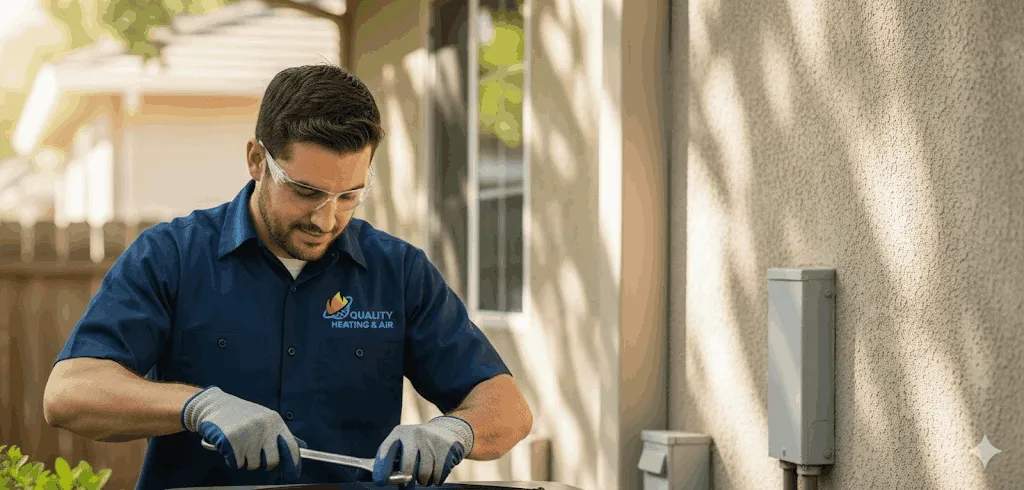
Boiler Replacement in Thornton, CO
When your boiler is failing, inefficient, or more costly to repair than replace, a properly executed boiler replacement protects your home comfort and energy budget. For Thornton, CO homeowners, replacing an aging boiler is especially important because our cold, high-altitude winters place extra demands on heating systems.
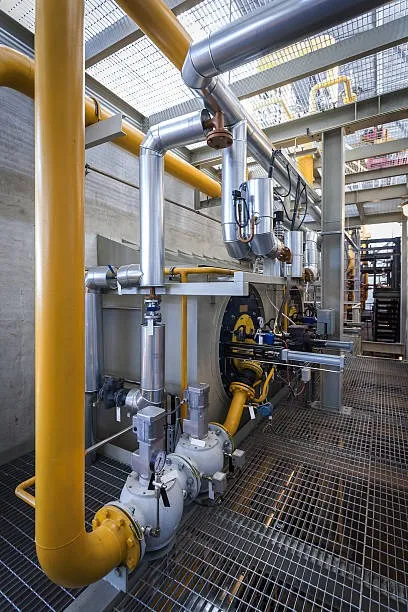
Common boiler replacement triggers in Thornton, CO
- Age and frequent breakdowns: residential boilers older than 15–20 years often cost more to maintain than replace.
- Rising energy bills despite regular use: lower efficiency (AFUE) means wasted fuel.
- Uneven heat, cold spots, or long recovery times: indicates undersized or failing equipment.
- Leaks, corrosion or a cracked heat exchanger: safety and reliability concerns.
- Parts obsolete or unavailable: modern controls and components may be incompatible.
- Repeated repairs that don’t resolve performance: ongoing service calls are a sign replacement is the better investment.
Energy-efficient replacement options to consider
- Modulating-condensing (mod-con) boilers: best-in-class efficiency for hydronic heating, especially useful in Thornton’s long heating season.
- High-AFUE cast-iron or stainless-steel boilers: considered for specific system compatibility or water quality conditions.
- Combi boilers: combine space heating and domestic hot water in one compact unit—efficient for smaller homes.
- Smart controls, outdoor reset and zoning: reduce run time and improve comfort while maximizing efficiency.
- Low-NOx and high-altitude combustion adaptations: required or recommended depending on model and local regulations.
System evaluation and proper sizing
A correct replacement starts with a thorough on-site evaluation and professional sizing to match your home’s heat load:
- On-site inspection of existing boiler, piping, radiators/underfloor loops and venting.
- Heat load calculation (Manual J) to determine required output; selection of boiler capacity (Manual S) and proper piping loop sizing.
- Assessment of water quality (mineral content) to determine whether water treatment or a different heat exchanger material is needed.
- Evaluation of venting and combustion air needs, taking Thornton altitude into account for combustion tuning.
- A written recommendation that compares energy use, lifecycle cost, and expected performance for each model.
Removal and disposal of old equipment
Safe, compliant removal protects your home and the environment:
- Drain and neutralize system water; capture and dispose of boiler fluids per local regulations.
- Disconnect gas, electrical, and control wiring. Gas lines are capped and pressure-tested by licensed technicians.
- Old boilers and metals are recycled when possible; hazardous components are disposed of per municipal guidelines.
- Documentation of disposal is provided for municipal inspections or homeowner records.
Professional installation steps
A professional installation follows a clear sequence to ensure reliable operation:
- Site preparation and structural support for new boiler weight and clearances.
- Proper venting and condensate routing for condensing units (neutralization if required).
- Gas line sizing and connection with leak testing and shutoff installations.
- Electrical hook-up, controls integration and thermostat/wiring upgrades.
- Piping modifications, insulation of hot-water lines, and installation of expansion tank and pressure controls.
- Fill, purge, and pressure-test the system to remove air and verify leak-free operation.
Code, permit and safety considerations in Thornton
Boiler replacements require adherence to local and state codes:
- Permits and inspections: mechanical and gas permits are typically required through the City of Thornton or Adams County; inspections validate safe installation.
- Combustion air and venting clearances must meet code and manufacturer specifications, especially important with Thornton’s snowfall and wind exposures.
- Altitude correction: burners and controls may need adjustment or specific kits to maintain safe combustion at Denver-metro elevations.
- Carbon monoxide safety: installation should include verification of CO levels and proper venting, and homeowners should have working CO detectors.
Rebates, financing and warranty information
Replacing a boiler is an investment—several programs can help reduce upfront cost:
- Utility rebates and incentives: local utilities (for example regional providers serving Thornton) and state energy programs often offer rebates for high-efficiency boilers and controls.
- Manufacturer rebates and seasonal promotions: available on qualifying models; registration may be required.
- Financing options: many homeowners use low-interest financing or payment plans to spread cost over time.
- Warranty coverage: manufacturer warranties typically cover heat exchangers and major components; ask about labor warranty or extended protection plans and registering the equipment to preserve coverage.
Post-installation testing and commissioning
A full commissioning ensures safety and peak performance:
- Combustion analysis and CO testing to confirm safe and efficient burner operation.
- AFUE performance checks and confirmation of flow rates and system pressures.
- Thermostat calibration, zoning verification, and verification of control schedules and outdoor reset operation.
- Leak checks, condensate routing verification and a homeowner systems walkthrough explaining operation and maintenance points.
- Documentation of settings and test results for your records and code inspections.
Long-term benefits and maintenance tips for Thornton homes
- Improved comfort and consistent heat throughout winter with lower fuel bills using a properly sized, high-efficiency boiler.
- Lower repair frequency and extended equipment life when replacement corrects systemic issues.
- Seasonal maintenance recommendations: annual tune-up and combustion testing, check expansion tank pressure, bleed radiators or purge hydronic loops, clear external vent terminations of snow/ice, and inspect condensate and drain lines. In areas with hard water, periodic water treatment or flushing prevents scale buildup and preserves heat exchanger life.
Replacing your boiler in Thornton, CO is more than swapping equipment; it is a technical process that, when done correctly, delivers better comfort, safety and measurable energy savings. Choosing the right system, ensuring correct sizing and installation, following local code and permitting, and completing thorough testing will protect your investment and keep your home warm, healthy and efficient through our Colorado winters.
Promotions
Save on seasonal system checks from a local team that treats your home like our own.

Testimonials
Neighbors trust Quality Heating & Air for honest work and fair pricing.