
Boiler Maintenance in Thornton, CO

Boiler Maintenance in Thornton, CO
Keeping your boiler tuned and inspected is essential for safe, efficient heat in Thornton homes. With long cold seasons, high-elevation heating demands, and the dry, dust-prone environment around Denver, routine boiler maintenance prevents breakdowns, reduces energy costs, and protects your family from safety risks like carbon monoxide exposure.
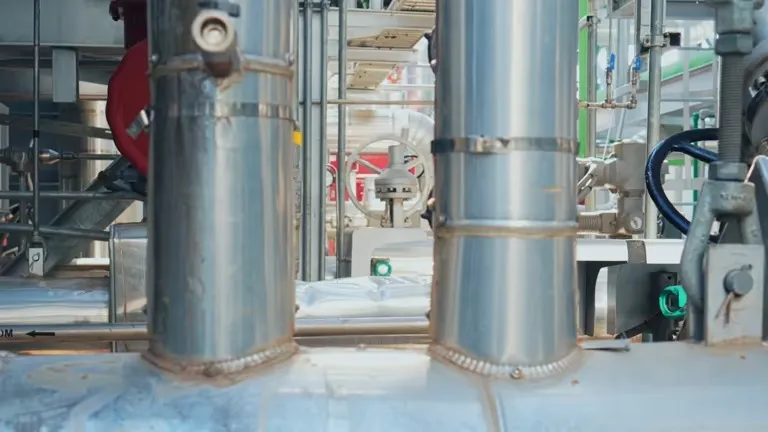
Why seasonal boiler maintenance matters in Thornton, CO
Thornton sees cold winters, frequent temperature swings, and occasional winter storms that push boilers to run longer and harder. At higher elevation, boilers can work less efficiently if not properly calibrated for combustion air and fuel pressure. Dry, dusty conditions increase soot and deposit buildup in burners and heat exchangers. Combined, these factors mean unchecked boilers can lose efficiency, suffer premature part failure, and pose safety hazards.
Regular maintenance addresses these local stressors so your system runs reliably through the colder months, uses less fuel, and avoids emergency repairs during peak demand.
Common boiler types and service focus
Technicians tailor maintenance to your boiler type, but core goals are the same: safe combustion, efficient heat transfer, and reliable controls.
- Hot water (hydronic) boilers — focus on circulator pumps, expansion tanks, pressure controls, and water quality.
- Steam boilers — emphasize water level controls, traps, and steam vents.
- Condensing boilers — require condensate drain and trap inspection plus heat exchanger cleaning for optimal efficiency.
- Combi boilers — combine domestic hot water and heating checks, including diverter valves and flow sensors.
Typical seasonal inspection and tune-up tasks
A professional boiler maintenance visit usually includes a structured checklist to identify problems and optimize performance:
- Visual inspection of the boiler, burner, and surrounding piping for leaks, corrosion, or damage.
- Combustion and flue inspection: verify venting integrity and test combustion gases to confirm safe, efficient fuel burning.
- Clean burner assembly, flame sensor, pilot or ignition components to remove soot and deposits.
- Check and adjust fuel pressure, burner settings, and pilot/ignition timing for correct combustion.
- Inspect and test safety devices: low-water cutoff, pressure relief valve, high-limit controls, and thermostats.
- Check boiler pressure and temperature settings; verify expansion tank condition and operation.
- Circulator pump inspection: check bearings, motor condition, and flow rate; lubricate where applicable.
- Flush or skim boiler water if needed to remove sediment (recommended more frequently in hard-water areas).
- Inspect and clean condensate trap and drain lines on condensing boilers.
- Electrical connections and controls check: tighten terminals, confirm zone valves and control boards function properly.
- Carbon monoxide testing in and around boiler room to ensure safe operation.
- System performance report with recommended repairs and efficiency notes.
Recommended maintenance schedules
- Annual full inspection and tune-up (required) — schedule in late summer or early fall before heavy use. This is the single most important task for longevity and safety.
- Mid-season check (optional, recommended for older systems) — a shorter visit in mid-winter to verify pressure, water level, and pump operation during peak use.
- Boiler water treatment or flush — every 2 to 5 years depending on local water hardness and system condition. Thornton-area mineral content can cause scale; more frequent treatment prevents heat exchanger damage.
- Major part replacement timelines (typical):
- Circulator pumps: 10–15 years
- Expansion tanks: 8–12 years
- Heat exchangers: variable, depends on maintenance and water quality
- After any long outage or unusual event — schedule an inspection after a power outage, flood, or if the system experienced frequent short cycling.
Safety and efficiency checks explained in plain terms
- Combustion testing ensures the boiler is burning fuel cleanly; poor combustion means wasted fuel and possible carbon monoxide production.
- Pressure and water level checks prevent overpressure or low-water situations that can damage the boiler.
- Heat exchanger and burner cleaning restore proper heat transfer so the boiler uses less energy to heat your home.
- Venting inspections make sure exhaust gases exit the home safely and that intake air is sufficient for combustion, which is especially important at higher elevations.
Service agreement options and what they cover
Service agreements (maintenance plans) are structured to provide predictable care and priority handling during the heating season. Typical plan tiers include:
- Basic tune-up plan: annual inspection and cleaning, safety checks, and a written service report.
- Comprehensive maintenance plan: all basic services plus mid-season check, minor parts adjustments, priority scheduling, and discounted repair labor or parts.
- Full protection plan: includes comprehensive services, annual water treatment or system flush, and scheduled component checks (expansion tank, circulator pump) to reduce emergency breakdown risk.
Plans may vary in scope, but the core advantage is planned, preventive care that reduces total lifecycle cost and minimizes downtime during peak cold periods.
Benefits Thornton homeowners will notice
- Improved reliability — fewer mid-winter breakdowns and more predictable performance.
- Lower energy bills — cleaner burners and properly adjusted controls reduce fuel consumption.
- Extended equipment life — routine cleaning and calibration reduce wear and tear.
- Safer operation — tested safety controls and combustion checks minimize carbon monoxide and fire risks.
- Fewer emergency repairs — catch small issues early before they escalate into costly failures.
Simple homeowner checks between professional visits
- Monitor boiler pressure and temperature gauges monthly; note any unexplained drops or spikes.
- Listen for new noises such as banging, gurgling, or grinding, which indicate air in the system, pump problems, or failing components.
- Keep the boiler area clear of clutter and ensure vents and combustion air openings are not blocked by snow or debris.
- Bleed radiators or zone loops if heat distribution becomes uneven.
- Watch for puddles, rust, or unusual odors that suggest leaks or combustion issues.
Regular, professional boiler maintenance adapted for Thornton’s climate and water conditions gives you dependable heat, lower operational costs, and peace of mind. Properly scheduled inspections and a sensible service plan are the easiest way to protect your investment and keep your household safe and comfortable through Colorado winters.
Promotions
Save on seasonal system checks from a local team that treats your home like our own.

Testimonials
Neighbors trust Quality Heating & Air for honest work and fair pricing.