
Heating Service In Thornton, CO
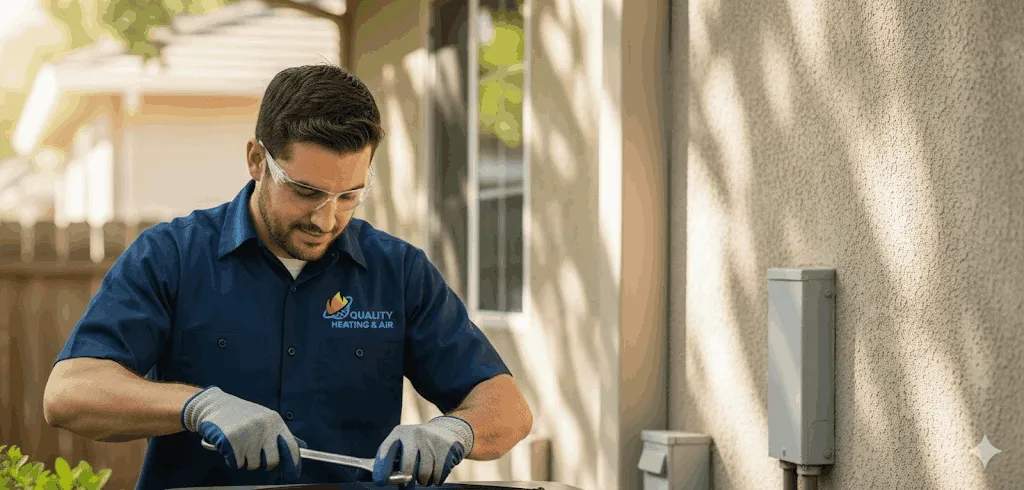
Heating in Thornton, Colorado
Keeping your home warm and safe through Thornton winters requires more than just turning up the thermostat. Professional heating services—ranging from furnace installation and replacement to tune-ups, diagnostics, and thermostat integration—ensure comfort, efficiency, and safety.
-min.webp)
Why heating matters in Thornton, Colorado
Thornton experiences cold, dry winters and wide temperature swings from day to night. High elevation affects combustion and venting performance, and many local homes have older ductwork or limited attic insulation. Those local factors make proper system sizing, combustion tuning, and annual maintenance especially important to keep systems reliable and efficient while preventing safety risks like carbon monoxide exposure.
Common heating services and problems
- Furnace installation and replacement: New furnace installs, whether gas, electric, or high-efficiency options, plus replacing end-of-life units.
- Furnace repair and tune-ups: Seasonal maintenance, filter replacement, burner cleaning, pilot and ignition checks, and calibrations to restore peak performance.
- System sizing and load calculations: Manual J and Manual S style assessments to match furnace output to your home’s heat loss and duct system.
- Energy-efficiency upgrades: Variable-speed blowers, two-stage burners, high AFUE furnaces, and zoned controls to lower fuel use and improve comfort.
- Safety and performance inspections: Combustion analysis, flue and vent checks, carbon monoxide testing, and electrical and control safety reviews.
- Thermostat and control integration: Smart thermostat setup, Wi Fi controls, and zoning integration for precise temperature control and energy savings.
- Common fault diagnostics: No-heat, short cycling, pilot or ignition failure, uneven heating, strange noises, reduced airflow, and high utility bills.
- Warranties and service plans: Manufacturer warranties, extended parts protection, and routine maintenance plans that preserve efficiency and coverage.
Typical diagnostic and repair process
- Initial assessment: Technician reviews symptoms, recent performance, and any error codes displayed by the control board or thermostat.
- Safety checks: Gas pressure, flue draft, CO detector readings, and electrical integrity are evaluated first.
- Component inspection: Blower motor, heat exchanger, burners, ignition system, filters, and duct connections are inspected for wear, leaks, or blockage.
- Targeted testing: Combustion analysis, static pressure tests, and thermostat calibration help identify root causes.
- Repair estimate and options: If repairs are feasible, a clear explanation of recommended fixes, parts needed, and expected lifespan after repair is provided. If replacement is the better long-term option, sizing and efficiency options are discussed.
- Post-service testing: After repairs or installation, systems are run through a full performance check to confirm safety, combustion efficiency, and proper airflow.
Furnace installation and replacement guidance
Proper installation begins with accurate system sizing. Oversized or undersized units lead to short cycling, higher energy bills, and uneven comfort. Sizing accounts for:
- Square footage, insulation levels, window types, and home orientation.
- Local climate impacts and elevation conditions that affect combustion and heat loss.
- Ductwork condition and required airflow.
Replacement options typically include standard-efficiency furnaces, high-efficiency condensing furnaces, and hybrid systems paired with heat pumps or zoned dampers. Each option balances upfront cost, expected fuel savings, and longevity. During replacement, expect a full inspection of venting, flue pathways, and combustion air supplies to meet safety guidelines.
Energy-efficiency and comfort upgrades
- High AFUE furnaces: Convert more fuel into usable heat and cut heating costs.
- Variable-speed blowers: Improve temperature consistency and reduce fan energy use.
- Zoned systems and motorized dampers: Deliver set temperatures to specific areas, ideal for uneven heating in older Thornton homes.
- Smart thermostats and remote control: Optimize schedules, use learning features, and provide energy reports to reduce runtime during unoccupied periods.
- Duct sealing and insulation: Often overlooked, addressing leaks can yield significant efficiency gains in homes with older ductwork.
Safety and performance inspections
Annual safety inspections are essential in high-altitude, cold climates. Inspections focus on:
- Heat exchanger integrity to detect cracks that could allow carbon monoxide into the home.
- Proper venting and draft to prevent flue gas accumulation.
- Gas line and regulator checks for leaks or pressure issues.
- Electrical connections and control safety to prevent failures or fire hazards.
Keeping detectors and alarms functional along with yearly inspections reduces risk and maintains warranty requirements.
Common fault diagnostics explained
- No heat: Could be thermostat issues, failed ignition or pilot, gas supply interruption, or control board failure.
- Short cycling: Often caused by incorrect sizing, restricted airflow, clogged filters, or failing limit switches.
- Uneven heating: Duct leaks, closed vents, poor zoning, or undersized equipment.
- Loud noises: Rattles may be loose panels; banging during startup could indicate delayed ignition; squealing often points to blower motor bearings.
- High energy bills: Reduced efficiency from dirty burners, failing components, poor combustion, or persistent air leaks.
Warranties and service plans
Most new furnaces include manufacturer parts warranties; extended warranties and labor coverage vary by model and installer. Service plans typically include:
- Annual or biannual tune-ups and safety inspections.
- Priority scheduling for seasonal or emergency visits.
- Discounted labor and parts pricing.
A consistent maintenance schedule keeps warranty requirements intact and can extend equipment life while improving efficiency.
Scheduling seasonal or emergency heating service — practical steps
- Identify urgency: No heat during freezing weather, strong smell of gas, visible combustion products, or CO detector alarms qualify as emergencies.
- Gather information before scheduling: Unit make, model, age, recent symptoms, error codes, and any recent maintenance history.
- For emergencies and safety risks: Shut off gas at the valve if you smell gas and take immediate steps to ventilate the area. Move to a safe location per safety guidance and follow local emergency procedures.
- For seasonal tune-ups: Book services in early fall before the heating season peaks; a pre-season tune-up reduces the chance of midwinter failures in Thornton’s cold months.
- Expect a checklist-based visit: Technicians will inspect, test, tune, and report findings, plus give clear recommendations and estimated timelines for repairs or replacements.
Maintenance best practices for Thornton homes
- Schedule annual tune-ups before November.
- Replace disposable filters monthly during heavy use months or install high-quality pleated filters and replace them every 3 months.
- Keep vents and returns clear of furniture and drapes.
- Seal and insulate ducts in unconditioned spaces.
- Monitor CO detectors and change batteries annually.
Timely maintenance, accurate sizing, and safety-focused inspections are the foundation of reliable heating performance in Thornton, Colorado. Properly serviced systems deliver better comfort, lower operating costs, and longer equipment life while reducing safety risks associated with combustion heating.
Promotions
Save on seasonal system checks from a local team that treats your home like our own.

Testimonials
Neighbors trust Quality Heating & Air for honest work and fair pricing.