
Boiler Replacement in Wheat Ridge, CO

Boiler Replacement in Wheat Ridge, CO
Replacing a boiler is one of the most important home comfort decisions you can make for Wheat Ridge homes. With cold Front Range winters, occasional heavy snow, and wide temperature swings between day and night, an inefficient or failing boiler can mean high energy bills, uneven heat, and frequent emergency repairs.
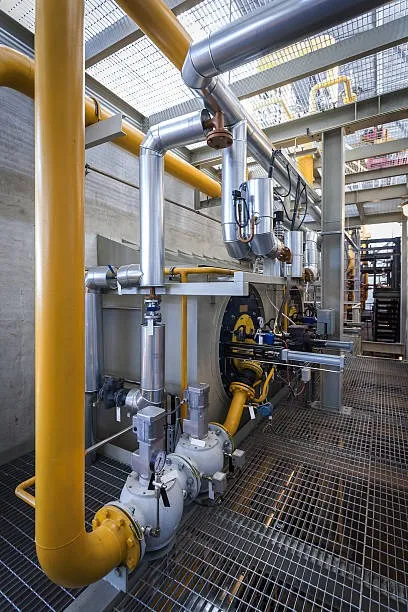
Why replace your boiler now in Wheat Ridge, CO
- Older boilers lose efficiency over time and can develop leaks, rust, or combustion issues that raise safety concerns.
- Wheat Ridge winters and freeze cycles put extra stress on aging systems and piping; timely replacement reduces risk of mid-winter failures.
- Energy-efficient, properly sized boilers reduce natural gas consumption and lower monthly utility bills—important in a region with cold heating seasons and rising energy costs.
- Modern systems offer quieter operation, better zone control, and compatibility with smart thermostats, improving comfort and control.
Common boiler problems prompting replacement in Wheat Ridge
- Persistent corrosion or leaks in cast-iron or steel boilers and connected piping.
- Repeated burner failures, ignition problems, or unsafe combustion indicated by soot or unusual odors.
- Frequent short-cycling caused by improper sizing or failing controls.
- Low efficiency (AFUE) relative to modern condensing or modulating boilers, leading to high fuel use.
- Incompatibility with modern home comfort upgrades like radiant floors, multiple heating zones, or domestic hot water demand.
How a professional boiler replacement works
A thorough boiler replacement process focuses on safety, correct sizing, and long-term reliability. Typical steps include:
System evaluation and heat load calculation
- A technician inspects the existing boiler, piping, radiators or baseboards, and domestic hot water configuration.
- A heating load calculation (Manual J or similar) determines the precise heating requirement so the new boiler is sized to match your Wheat Ridge home’s needs—not oversized.
Recommendations and model selection
- Based on the load, site conditions, and your efficiency goals, the tech recommends suitable models and explains pros and cons for each option.
Permits and planning
- Replacement plans account for local code requirements, venting, fuel line adjustments, and electrical needs. Required permits and inspections are scheduled as part of the project.
Removal of old equipment
- Safe decommissioning, draining, and removal of the old boiler and associated components. Special care is taken with older insulation or materials that may contain asbestos or lead-based paint.
Installation and integration
- Professional installation of the new boiler, piping modifications, flue and vent systems, circulator pumps, expansion tanks, and controls.
Commissioning and testing
- Full-system pressure testing, leak checks, combustion analysis, flue draft verification, and temperature balancing to ensure safe, efficient operation.
Documentation and warranty registration
- Manufacturer warranties and labor guarantees are recorded; install documentation and basic operating instructions are provided for homeowners.
Choosing the right energy-efficient boiler for Wheat Ridge
Energy-efficient choices often deliver the best long-term value in Colorado’s climate. Options to consider:
- Condensing modulating boilers: High AFUE ratings and increased efficiency in low return-water temperature systems. Best where modern radiators or radiant floors allow lower return temps.
- Modulating-condensing combi boilers: Provide space heating and on-demand domestic hot water in one unit—good for smaller homes or where saving space matters.
- High-efficiency gas-fired boilers with ECM circulator pumps: Lower electrical consumption and better zoned performance.
- Considerations for elevation: Wheat Ridge sits near Denver’s elevation; combustion tuning and venting must be adjusted for altitude to maintain safe, efficient operation.
- Zoning and controls: Adding zoning valves and a modern control system improves comfort and reduces fuel use by heating only occupied areas.
Proper sizing is critical: oversizing leads to short cycling and reduced efficiency; undersizing leaves rooms cold. A qualified installer performs a heat-load calculation and checks compatibility with existing radiators, baseboards, or in-floor tubing.
Removal of old equipment and professional installation details
- Safe disposal and recycling: Boilers and components are removed with attention to recycling metals and disposing of hazardous materials per local regulations.
- Pipework and radiators: Retrofitting may require new circulators, expansion tanks, or conversion kits if switching boiler types (for example, from steam to hot water).
- Venting and combustion air: New flue designs or power-venting may be necessary; installations comply with local codes and accommodate altitude effects.
- Insulation and freeze protection: Replacing or adding insulation to exposed piping and installing freeze-protection measures reduces winter risk in Wheat Ridge’s cold snaps.
Warranties, financing options, and local incentives
- Manufacturer warranties commonly cover heat exchanger components for multiple years; labor warranties vary by installer and project.
- Extended warranty options may be available for parts and labor for additional protection.
- Financing plans are commonly offered through third-party lenders to spread installation cost over time. Many homeowners take advantage of financing to pair a high-efficiency replacement with immediate energy savings.
- Local utility rebates, state incentives, or energy-efficiency programs may apply to high-efficiency boiler installations in the Denver metro area; these incentives can improve payback on an upgrade.
Post-installation testing and commissioning
Proper commissioning confirms the system operates safely and efficiently:
- Combustion analysis to verify CO and NOx levels and ensure safe combustion adjusted for elevation.
- Leak and pressure testing of the hydronic loop.
- Flow balancing and thermostat calibration for even comfort across zones.
- Training and handover so homeowners understand control settings, maintenance tasks, and warranty terms.
Maintenance and long-term benefits
- Regular annual tune-ups keep burners clean, controls calibrated, and circulators operating efficiently—this preserves warranty coverage and extends system life.
- Upgrading to a high-efficiency boiler typically yields lower annual fuel costs, quieter operation, fewer mid-winter repairs, and improved home comfort.
- Modern controls and zoning reduce energy waste and allow tailored comfort for your household’s schedule.
Replacing a boiler in Wheat Ridge, CO is an investment in safety, reliability, and energy savings. When the project is done with accurate sizing, correct venting for elevation, and professional commissioning, homeowners gain consistent, efficient heat through the cold season plus confidence in long-term performance.
Promotions
Save on seasonal system checks from a local team that treats your home like our own.

Testimonials
Neighbors trust Quality Heating & Air for honest work and fair pricing.