
Furnace Installation in Wheat Ridge, CO
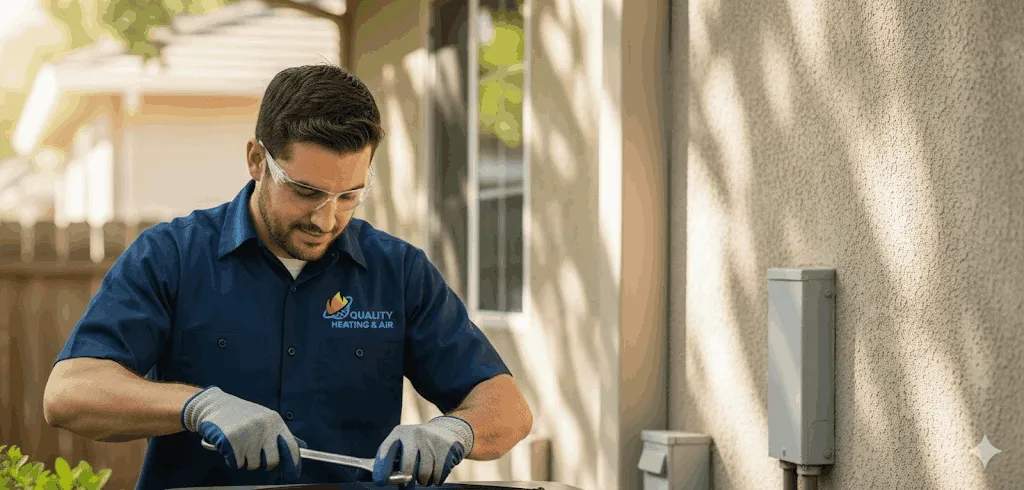
Furnace Installation in Wheat Ridge, CO
Replacing or installing a new furnace is a major home decision. In Wheat Ridge, CO, where cold Front Range winters, high elevation, and dry air put extra demand on heating systems, a properly sized and correctly installed furnace ensures comfort, safety, and lower operating costs.
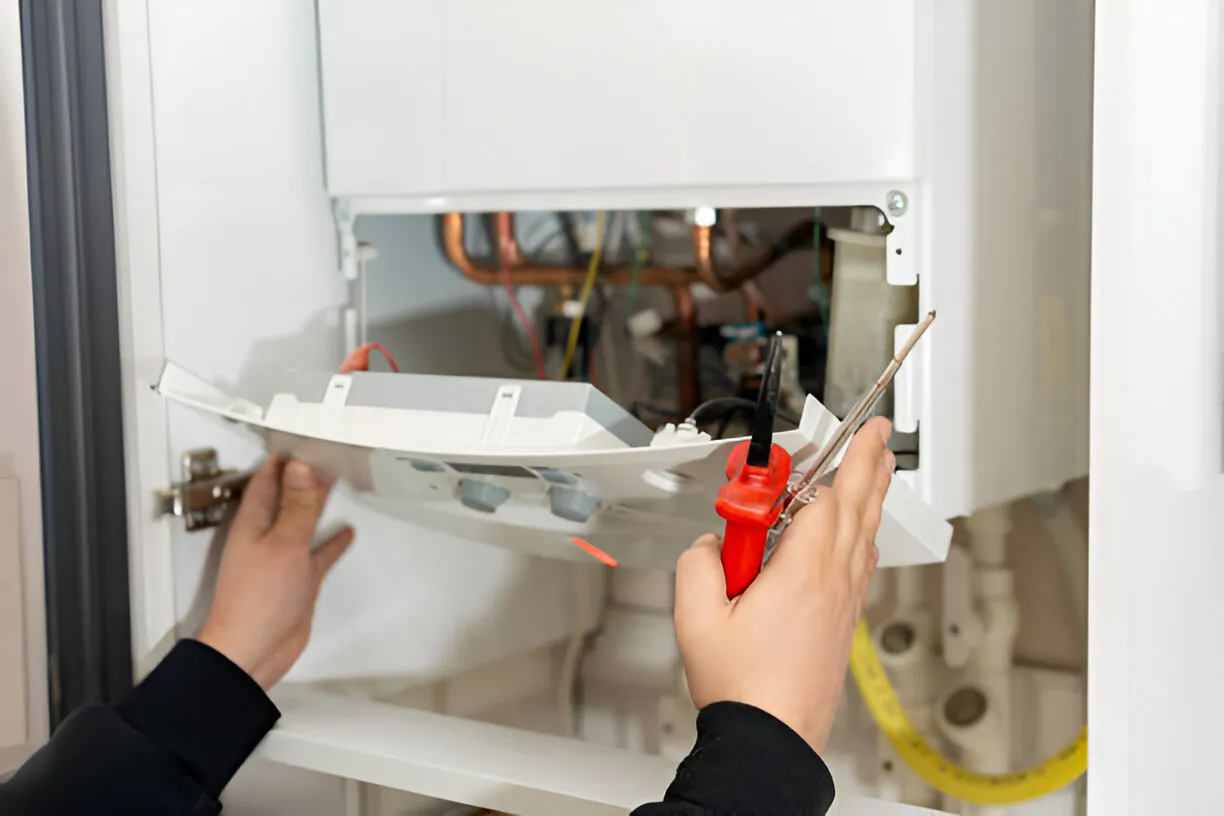
Why a tailored furnace installation matters in Wheat Ridge, CO
Wheat Ridge sits at roughly 5,400 feet elevation and experiences cold, snowy winters and wide temperature swings. Those conditions affect:
- Combustion and venting: Reduced air density changes burner performance and may require adjustments to combustion settings and venting strategy.
- Load demands: Homes here often require reliable, continuous heat for longer periods each year, increasing the importance of accurate heat-load calculations.
- Indoor air quality and dryness: Heating needs can exacerbate dry indoor air, making humidification or IAQ measures worth considering during installation.
Choosing the right equipment and installation method for these local factors avoids common problems like short cycling, excessive energy use, or draft and venting issues.
Common furnace installation issues in Wheat Ridge homes
- Oversized or undersized equipment due to skipped heat-load calculations
- Improper venting for high-efficiency condensing furnaces (PVC vs metal flue)
- Incorrect combustion tuning for elevation, causing inefficient operation or safety risks
- Poorly sealed or undersized ductwork leading to uneven heat and wasted energy
- Lack of proper permits or inspections per Jefferson County codes
- Missing condensate handling for condensing units, causing leaks or corrosion
Consultation and heat-load calculations
A thorough installation begins with an on-site consultation. Key steps include:
- Home assessment: Inspect insulation, window types, attic and foundation conditions, existing ductwork, and the current heating system.
- Heat-load calculation: Perform a Manual J heat-load calculation to determine the precise heating capacity your home needs. This prevents oversizing — a common mistake that raises costs and reduces comfort.
- Airflow and duct analysis: Use Manual D principles to evaluate whether current ducts can carry the required airflow or need resizing, sealing, or additional returns.
Accurate measurements and diagnostics form the foundation of a long-lasting, efficient system.
Equipment selection: brands, efficiency, and features
Selecting the right furnace means balancing efficiency, durability, and features appropriate for Wheat Ridge conditions. Consider:
- Efficiency ratings: Look for high AFUE ratings. Mid- to high-efficiency options range from 80 percent AFUE for basic units to 95 percent or higher for condensing furnaces that recover heat from combustion gases.
- Fuel type: Natural gas is common in the area, but propane or electric heat systems may be options depending on availability and home setup.
- Motor and staging: Variable-speed or multi-stage blowers and modulating burners improve comfort and reduce cycling, especially in homes with tight envelopes.
- Trusted brands: Top manufacturers commonly used include Trane, Carrier, Lennox, Rheem, Goodman, Amana, and Daikin. Each offers different warranty structures and parts availability; evaluate based on long-term reliability and local serviceability.
Ductwork and venting considerations
Ducts and vents are as important as the furnace itself:
- Sealing and insulation: Properly sealed ducts reduce heat loss in unconditioned spaces. Insulate duct runs in attics or crawlspaces.
- Right-sizing: Ducts must be sized to handle the furnace airflow without creating excessive static pressure.
- Venting type: High-efficiency condensing furnaces typically use PVC venting and require condensate drains. Non-condensing models use metal flues and may need different clearances.
- Combustion air: At high elevation, ensure adequate combustion air and correct venting per code to avoid problems with draft and CO.
Professional installation steps
A professional installation typically follows this sequence:
- Finalize equipment selection and obtain necessary permits per Jefferson County requirements.
- Remove the old furnace safely, disconnecting gas, electrical, and venting systems.
- Modify or replace ductwork and vents as needed, including installing condensate drains for condensing units.
- Install the new furnace, connect gas and electrical systems, and verify proper clearances and mounting.
- Configure and wire the thermostat, and verify compatibility with variable-speed blowers or modulating systems.
- Perform startup and commissioning procedures to set operating parameters specific to elevation and home characteristics.
Safety testing and commissioning
Safety is verified through multiple checks:
- Combustion analysis: Measure CO, O2, and combustion efficiency and adjust the burner for safe operation at altitude.
- Pressure and leak testing: Confirm gas connections have no leaks and venting is secure.
- Carbon monoxide check: Measure indoor CO levels to ensure safe operation.
- Operational testing: Confirm proper ignition, flame quality, cycling behavior, and thermostat responsiveness.
- Code inspection: Coordinate local inspection to verify compliance with building codes and permit conditions.
Warranty registration and documentation
Registering manufacturer warranties promptly is essential. Typical steps:
- Record model and serial numbers, installation date, and technician credentials.
- Submit warranty registration according to manufacturer requirements. Some extended warranties require professional installation verification.
- Keep a copy of permits, test results, and the installation checklist for future service and warranty claims.
Post-installation care and timelines
Initial and ongoing care preserves performance and warranty compliance:
- First week: Verify operation across different settings and temperatures; check for any settling issues or minor leaks.
- 30-day and seasonal checks: A short follow-up inspection ensures the system is performing as expected after initial use.
- Annual maintenance: Schedule a comprehensive tune-up before heating season. This includes cleaning burners, inspecting heat exchanger, checking gas pressure, verifying venting, and replacing filters.
- Filters and IAQ: Replace filters regularly (every 1 to 3 months depending on type). Consider humidification for dry winters and IAQ filters if allergies are a concern.
- Safety reminders: Maintain clearances around the furnace, keep CO detectors operational, and never store flammable materials near the unit.
Long-term benefits of a properly installed furnace
A correctly sized and professionally installed furnace delivers:
- Stable, even heat with fewer cold spots
- Lower energy bills through higher AFUE and optimized airflow
- Longer equipment life and fewer breakdowns
- Safer operation, especially at Wheat Ridge elevation where combustion must be tuned
- Better indoor air quality when paired with appropriate filtration and humidification
Proper furnace installation in Wheat Ridge, CO combines accurate load calculations, right-sized ductwork, elevation-aware combustion tuning, and thorough commissioning. When these elements come together, homeowners get reliable warmth, better efficiency, and peace of mind throughout Colorado winters.
Promotions
Save on seasonal system checks from a local team that treats your home like our own.

Testimonials
Neighbors trust Quality Heating & Air for honest work and fair pricing.