
Furnace Repair in Wheat Ridge, CO
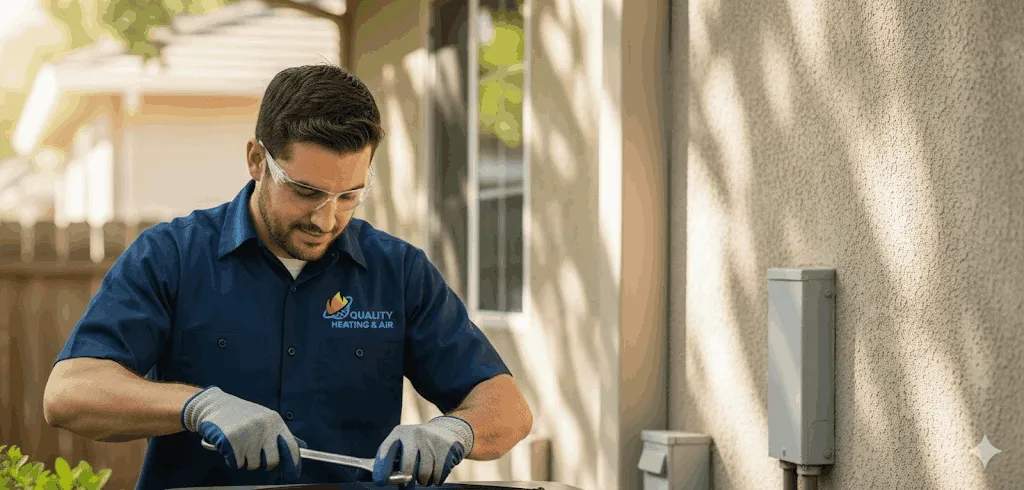
Furnace Repair in Wheat Ridge, CO
When your furnace fails in Wheat Ridge, CO, the disruption is immediate: colder nights, uncomfortable rooms, and the risk of frozen pipes in our winter months. Professional furnace diagnostic and repair services focus on restoring safe, reliable heat quickly while identifying underlying causes so problems do not return. For Wheat Ridge homes — where cold, dry mountain-influenced winters and temperature swings challenge HVAC systems — timely repair preserves comfort, efficiency, and safety.
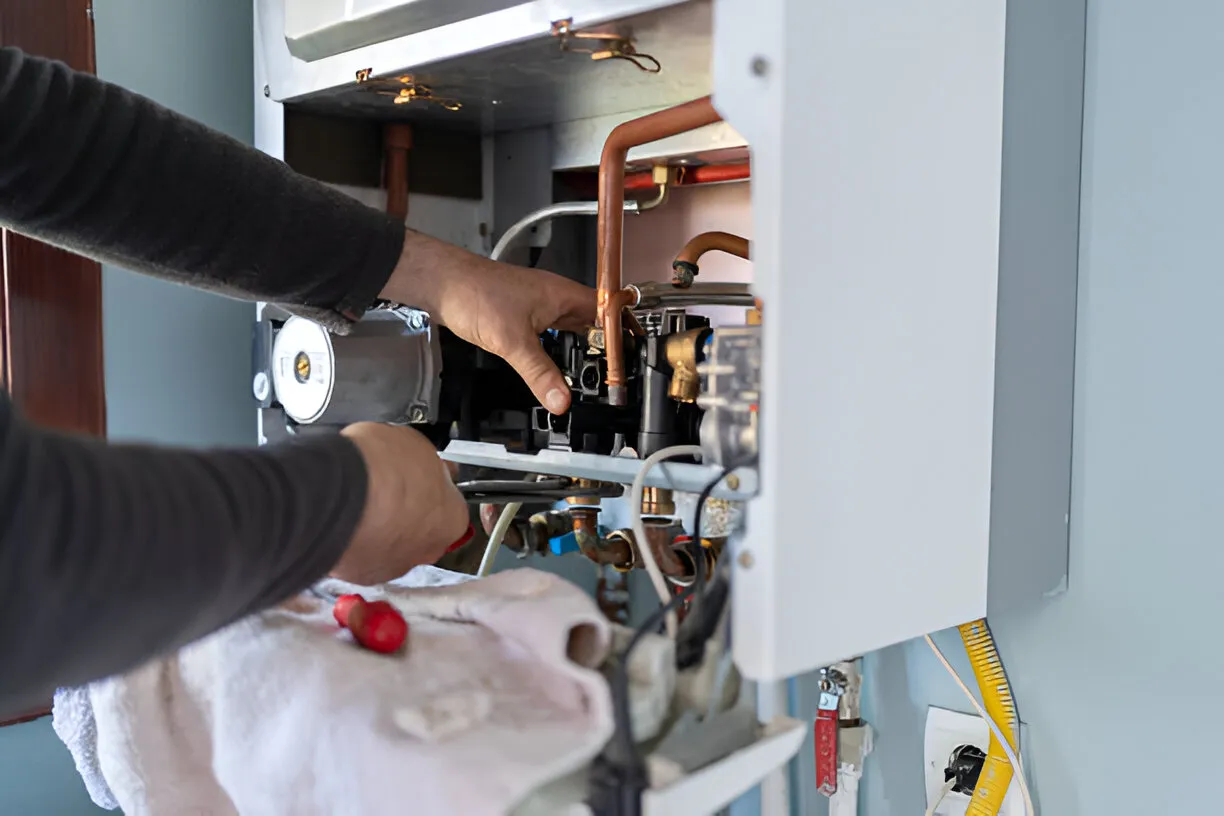
Common furnace symptoms in Wheat Ridge homes
Recognizing symptoms early helps avoid emergency breakdowns. Common signs that you need furnace repair include:
- Uneven heating or rooms that never reach the set temperature.
- Frequent cycling (short-cycling) or the furnace running nonstop.
- Weak or no airflow from vents despite the blower running.
- Strange noises: rattling, banging, squealing, or humming.
- Yellow or irregular pilot flame, frequent pilot outages, or ignition failure.
- Unusual smells: burnt odor, gas smell, or persistent mildew/musty air.
- Visible error codes on the furnace control board or thermostat.
- Carbon monoxide (CO) alarm activation or symptoms such as headaches/dizziness.
In Wheat Ridge, airborne dust, pollen, and the region’s dry air can accelerate filter clogging and stress blower motors; heavy snow or ice can obstruct venting. These local conditions make regular diagnostics particularly important.
On-site diagnostic process: what to expect
A structured diagnostic separates quick fixes from serious safety issues. Typical on-site steps include:
- Initial visual inspection of the furnace cabinet, venting, and thermostat settings.
- Check of filters, condensate lines (on high-efficiency units), and outdoor intake/exhaust clearances.
- System start-up while monitoring ignition sequence, flame characteristics, and burner operation.
- Electrical tests: voltage and continuity checks on motors, control boards, and safety switches.
- Blower and airflow assessment, including supply and return registers.
- Combustion and safety checks where applicable: combustion analysis, flue draft, and CO testing.
- Diagnostic code review and review of service history to identify recurring issues.
Diagnostics typically take 30 to 60 minutes for a clear assessment on most residential systems. The goal is to identify the root cause and present repair options rather than patching symptoms.
Common repairs and solutions explained
Repairs vary by symptom and system age. Common fixes include:
- Filter and airflow restoration: Replacing clogged filters, cleaning return grills, and addressing duct leaks. Improves efficiency and reduces blower strain.
- Ignition and flame control repairs: Replacing flame sensors, igniters, or pilot assemblies on older units.
- Blower motor and capacitor replacement: Resolves weak airflow and noisy operation. Motor life shortens with heavy dust exposure common in the Front Range.
- Gas valve and pressure adjustments: Ensures proper fuel flow and stable combustion.
- Limit switch and control board replacement: Stops short-cycling and incorrect sequencing.
- Heat exchanger assessment: Cracks or corrosion are safety-critical; a cracked heat exchanger typically leads to replacement recommendations due to CO risk.
- Condensate and venting repairs: Clearing blocked vents and condensate drains for high-efficiency furnaces.
For Wheat Ridge households, technicians also account for altitude-related combustion adjustments and venting needs, ensuring the system performs safely at local elevation.
Parts replacement options and considerations
When parts are needed, options include:
- OEM (original equipment manufacturer) parts: Best match for performance and warranty continuity.
- Manufacturer-authorized replacement parts: High quality and often less costly than OEM while remaining reliable.
- Aftermarket components: Available for some controls and accessories; evaluate compatibility and warranty implications.
- Refurbished or rebuilt components: Budget option for older units but with limited life expectancy.
Deciding between repair and replacement depends on system age, recurring repair frequency, and life-safety concerns. As a guideline, furnaces older than 15–20 years or those with heat exchanger damage often warrant replacement for long-term safety and efficiency.
Expected timelines for furnace repair
Timelines depend on severity and part availability:
- Diagnostic visit: typically 30–60 minutes.
- Minor repairs (filters, sensors, capacitors): often completed the same visit — under 1–3 hours.
- Major component replacements (motors, control boards, gas valves): 2–6 hours if parts are on hand.
- Repairs requiring special-order parts or heat exchanger replacement: may require 1–3 business days for parts plus repair time.
- Emergency responses: many issues can be stabilized the same day; time to full repair mirrors the complexity above.
These timelines reflect common scenarios in the Wheat Ridge/Front Range region where parts availability and weather can influence scheduling.
Emergency response, safety checks, and warranties
Emergency furnace repairs prioritize safety. Key emergency protocols include:
- Immediate CO testing and isolation of systems showing unsafe combustion.
- Safe shut-down procedures for gas leaks, severe venting failures, or suspected heat exchanger cracks.
- Temporary measures to restore heat safely while permanent repairs or replacements are arranged.
Post-repair safety checks typically include a full combustion and draft analysis, CO re-test, wiring and grounding inspection, and verification of proper ventilation. Discuss warranty coverage for both parts and labor; many manufacturers and suppliers offer limited warranties on parts, and reputable service providers pair those with labor guarantees.
Prevent future breakdowns: seasonal tips for Wheat Ridge homeowners
Routine maintenance extends life and reduces emergency visits:
- Schedule an annual furnace tune-up before the heating season to inspect combustion, clean burners, and verify controls.
- Replace filters regularly — every 1–3 months depending on filter type and home dust load.
- Keep outdoor vents and combustion air intakes clear of snow, ice, and debris, particularly after heavy snowfall.
- Seal and insulate ductwork where accessible to prevent heat loss and reduce blower run times.
- Use a programmable or smart thermostat to reduce cycling and maintain steady, efficient operation.
- Install and maintain CO detectors on every floor and test them monthly.
- Address small noises or performance changes promptly; minor issues often precede major failures.
Promotions
Save on seasonal system checks from a local team that treats your home like our own.

Testimonials
Neighbors trust Quality Heating & Air for honest work and fair pricing.