
Mini-Split Installation in Wheat Ridge, CO

Mini-Split Installation in Wheat Ridge, CO
When you need targeted cooling and heating for a single room, an addition, or a whole home without ductwork, a properly installed mini-split (ductless heat pump) delivers reliable comfort, energy savings, and flexible zoning. In Wheat Ridge, CO, where hot summer afternoons and chilly, snowy winters both affect comfort and energy use, a correctly sized and installed mini-split can be one of the most efficient ways to control temperature in homes with older duct systems, finished basements, garages converted to living space, or multi-level layouts.
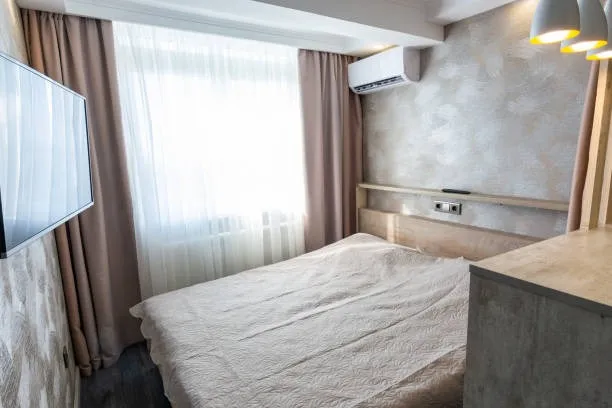
Why a mini-split makes sense in Wheat Ridge homes
- Wheat Ridge homes often have limited or inefficient ductwork; mini-splits avoid costly duct retrofits.
- Seasonal extremes and rapid temperature swings mean efficient heat pump operation and zoning reduce utility costs.
- Additions, ADUs, and converted spaces are common local needs that mini-splits meet without major renovation.
- Elevation and climate are considered during system selection and refrigerant charging to ensure peak performance year-round.
Common mini-split installation types and problems in this area
- Single-zone wall-mounted units for living rooms, master suites, or basements.
- Multi-zone systems with 2–8 indoor heads to condition multiple rooms independently.
- Ceiling cassette or slim-duct indoor units for finished basements or open-plan spaces.
- Typical problems from previous/poor installations: undersized equipment, improper indoor head placement causing dead spots, insufficient condensate slope leading to leaks, and inadequate electrical circuits that cause tripped breakers or reduced performance.
The installation process — what to expect
Initial consultation and load calculation
- A thorough on-site evaluation identifies room sizes, insulation levels, window exposure, occupancy, and existing electrical capacity.
- Manual J load calculations (or equivalent) determine the correct capacity for each zone so units are not oversized or undersized.
- Discussion about placement preferences, concealment options for line sets, and any HOA or aesthetic constraints common in Wheat Ridge neighborhoods.
Placement and layout options for indoor and outdoor units
- Indoor heads are sited for even airflow, avoiding direct drafts on beds or seating, and positioned to allow easy filter access.
- Outdoor condenser placement considers noise, shielding, snow clearance, and HOA/municipal guidelines—typically mounted on a pad or vibration-isolating brackets above the snow line.
- Multi-zone piping routings are planned to limit line set length and maintain manufacturer warranties.
Electrical and mounting requirements
- Most outdoor mini-split condensers require a dedicated 208/230V circuit and properly sized breaker and disconnect per manufacturer specs.
- If the home panel lacks capacity, options include installing a new breaker, subpanel, or upgrading service in coordination with local code requirements.
- Wall mounting typically uses a small core drill; ceiling/cassette units require support framing and access for maintenance.
Refrigerant line installation and charging
- Refrigerant lines are run between indoor and outdoor units with attention to insulation, proper slope for condensate, and protection from weather.
- Installers evacuate the lines and charge refrigerant per manufacturer specifications, accounting for Wheat Ridge elevation and line lengths to ensure correct refrigerant charge and system efficiency.
- Leak testing and secure routing reduce the risk of future service calls.
Commissioning and performance testing
- After power-up, technicians verify electrical connections, thermostat communication, temperature differentials, compressor operation, and mode switching between heat and cool.
- Performance testing includes measuring airflow, verifying proper condensate drainage, and confirming noise levels meet local expectations.
- Final checks ensure Wi-Fi/controls (if included) are configured and occupants understand basic operation.
Expected project duration
- Typical single-zone installs: most can be completed in one standard workday (4–8 hours), depending on wall routing and electrical needs.
- Multi-zone systems or installations requiring electrical upgrades, subpanels, or complex mounting can take 1–2 days or more.
- Weather (snow or heavy freezing) and permit timelines may also affect scheduling.
Brand options and compatibility
- Common and reputable brands available for Wheat Ridge installations include Daikin, Mitsubishi Electric, Fujitsu, LG, and select Carrier or Lennox ductless-compatible systems.
- Compatibility considerations: multi-zone heads must match outdoor inverter technology and line set specifications; mixing brands between indoor and outdoor components is not recommended.
- System choice is influenced by desired features: inverter compressors for variable speed efficiency, high SEER/HSPF ratings for lower operating costs, integrated Wi-Fi controls, and available indoor head styles to match home aesthetics.
Permit and local code considerations
- Most Wheat Ridge installations require a mechanical and/or electrical permit. Local building codes dictate electrical wiring, exterior unit placement, and safe refrigerant handling.
- Homeowners should be aware of HOA rules that may limit exterior unit location or require screening; installers typically review these constraints during the consultation.
- Proper permits ensure inspections are performed and manufacturer warranties remain valid after installation.
Common installation pitfalls and how they’re avoided
- Undersizing or oversizing: avoided by accurate load calculations rather than rule-of-thumb sizing.
- Poor condensate routing: solved by maintaining consistent slopes and installing drain pumps where gravity drainage is impossible.
- Improper refrigerant charge: prevented through correct vacuuming, charging procedures, and adjustment for elevation and line length.
- Inadequate electrical provision: resolved by evaluating panel capacity and provision of appropriately sized breakers and disconnects.
Post-installation support and maintenance
- Initial post-install checks verify system operation after a short break-in period; many installers include a follow-up inspection.
- Regular maintenance: cleaning or replacing filters every 1–3 months, annual professional tune-ups to check refrigerant charge, electrical connections, and system performance.
- Warranty and registration: manufacturer warranties vary; registration and documentation at installation preserve coverage.
- Troubleshooting common symptoms: reduced airflow (dirty filters or obstructed indoor unit), short cycling (incorrect sizing or electrical issues), and ice on the coil during winter operation (low refrigerant or airflow restriction).
Long-term benefits for Wheat Ridge homeowners
- Zoned comfort control reduces wasted energy by conditioning only occupied rooms.
- Heat pump technology provides both efficient heating and cooling, important for Wheat Ridge’s seasonal extremes.
- Minimal home renovation compared with ducted systems makes mini-splits ideal for older homes, additions, and rental or accessory units.
- Properly installed systems deliver reliable year-round performance, lower operating costs, and improved indoor comfort without invasive remodeling.
A professional, code-compliant installation tailored to Wheat Ridge’s climate, housing stock, and local permitting requirements is essential for long-term efficiency and reliable comfort. With careful load calculation, correct equipment selection, and precise installation practices, a mini-split system can be an excellent, energy-efficient solution for homes across Wheat Ridge, CO.
Promotions
Save on seasonal system checks from a local team that treats your home like our own.

Testimonials
Neighbors trust Quality Heating & Air for honest work and fair pricing.