
Mini-Split Maintenance in Wheat Ridge, CO

Mini-Split Maintenance in Wheat Ridge, CO
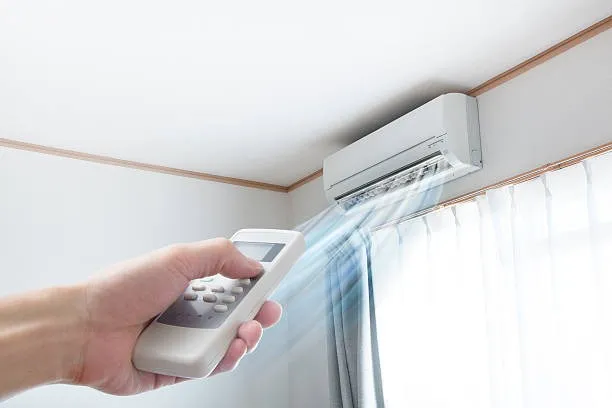
Mini-split maintenance in Wheat Ridge, CO keeps ductless systems running reliably through wide temperature swings, dusty spring winds, and cold, icy winters. Proper routine care prevents breakdowns, restores peak efficiency, and extends equipment life—critical in the Denver-metro area where higher elevation and dry, dusty conditions place unique demands on HVAC equipment.
Why regular mini-split maintenance matters in Wheat Ridge, CO
Wheat Ridge experiences strong seasonal changes and typical Front Range conditions: dry air, frequent dust and pollen, occasional heavy snow and freeze events, and noticeable day-to-night temperature swings. Those factors contribute to:
- Faster filter and coil buildup from dust and pollen
- Increased cycling during shoulder seasons as homeowners adjust temperature setpoints
- Greater risk of freeze-related issues and outdoor unit icing in winter
- Refrigerant and pressure differences that technicians adjust for at higher elevation
Regular maintenance addresses those local stresses before they cause costly repairs or comfort disruptions.
Common mini-split maintenance issues in Wheat Ridge, CO
Homeowners who delay service often see the same set of problems. Recognizing them helps prioritize maintenance:
- Clogged or dirty filters and indoor coils — reduced airflow, poor comfort, and higher energy use
- Icing or frost on the outdoor unit during cold snaps — often from restricted airflow or refrigerant imbalance
- Low refrigerant or leaks — decreased cooling/heating capacity and potential compressor damage
- Electrical faults or loose connections — intermittent operation, tripped breakers, or component failure
- Unbalanced airflow or thermostat inaccuracies — rooms not reaching setpoints or short cycling
- Salt, pollen, and dust accumulation on outdoor coils — loss of heat transfer and reduced efficiency
- Drain line clogs or condensate issues — water leaks or mold growth in the line and indoor unit
What a professional mini-split maintenance tune-up includes
A thorough, professional tune-up inspects, cleans, and tests every critical element to ensure reliable performance. Typical maintenance steps:
Initial system assessment
- Visual inspection of indoor and outdoor units for damage, debris, rodent nests, or corrosion
- Review of owner-reported symptoms and recent operating history
Air filters and indoor coil cleaning
- Remove and clean or replace washable filters; recommend replacement frequency for disposable filters
- Clean evaporator coils to restore airflow and indoor air quality
Outdoor coil and condenser care
- Remove debris, leaves, and dust from the outdoor unit; clean coil fins and straighten bent fins if needed
- Ensure proper clearances around the condenser for airflow
Refrigerant check and pressure testing
- Measure refrigerant levels and pressures; compare to manufacturer specifications and adjust for local elevation conditions
- Inspect for signs of leaks; recommend repair and leak sealing if needed
Electrical inspection
- Tighten electrical connections, check capacitors, contactors, and safety switches
- Test voltage and amperage to confirm components are operating within safe limits
Airflow and blower performance
- Measure airflow through the indoor unit, inspect fan motor and blower wheel for debris or wear
- Lubricate moving parts where applicable
Thermostat and control calibration
- Verify thermostat accuracy and control response; recalibrate settings for consistent room temperature control
- Test communication between indoor and outdoor units, remote controls, and sensors
Drainage and condensate check
- Clear condensate lines and pans; verify proper slope and drainage to prevent water damage or biological growth
Operational test and performance verification
- Run the system in heating and cooling modes to verify temperatures, cycle lengths, and system stability
- Provide a maintenance report with observations and recommended repairs or replacements
Recommended maintenance intervals for Wheat Ridge homes
- Primary recommendation: professional service at least once every 12 months.
- Optimal protection: twice-yearly tune-ups — spring (pre-cooling season) and fall (pre-heating season) — especially if the unit provides primary heating in shoulder months.
- High-use or dusty environments: increase frequency to every 6 months or more if you have pets, nearby construction, or heavy pollen seasons.
Regular inspections before summer and winter help avoid peak-season failures and ensure systems are charged and calibrated for local elevation conditions.
Benefits of regular mini-split maintenance
- Improved energy efficiency and lower utility bills through clean coils and correct refrigerant charge
- Extended system lifespan by preventing compressor and motor strain
- Consistent indoor comfort with accurate thermostat control and balanced airflow
- Reduced risk of emergency breakdowns during extreme weather
- Better indoor air quality by removing accumulated dust, pollen, and mold from filters and coils
- Preservation of manufacturer warranties when maintenance requirements are met
What maintenance plans or service agreements typically include
Maintenance plans designed for mini-splits often bundle preventive care, priority scheduling, and documentation. Common plan features:
- Scheduled seasonal inspections and tune-ups (spring and fall)
- Filter replacement reminders or included basic filter changes
- Diagnostic testing and discounted labor for repairs discovered during inspections
- Written performance reports and equipment recommendations
- Priority service during high-demand periods and after-hours coverage options with some agreements
These plans make it easier to stay compliant with warranty requirements and to budget for ongoing care.
DIY maintenance vs professional service
Homeowners can and should perform basic monthly tasks: clean washable filters, clear debris from outdoor units, and keep clearances around air handlers. However, professionals should handle refrigerant diagnostics, electrical tightening, pressure testing, and coil deep cleaning. Professional inspections catch subtle problems—like small leaks or failing capacitors—before they become major repairs.
Promotions
Save on seasonal system checks from a local team that treats your home like our own.

Testimonials
Neighbors trust Quality Heating & Air for honest work and fair pricing.