
Water Heater Replacement in Wheat Ridge, CO
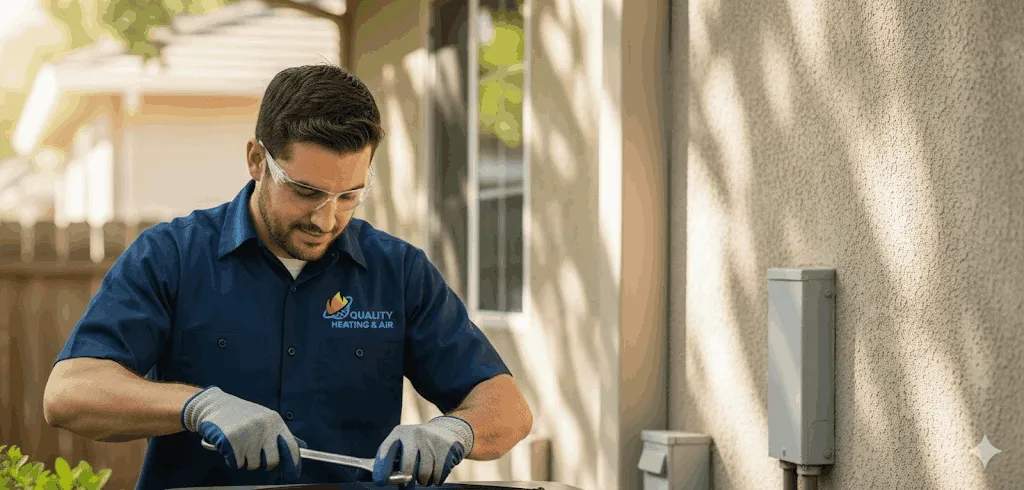
Water Heater Replacement in Wheat Ridge, CO
Replacing a water heater is a major home service decision. In Wheat Ridge, CO, where winters are cold and many homes have older tank systems, timely replacement improves reliability, energy use, and comfort.

Why replace a water heater in Wheat Ridge, CO
Wheat Ridge homes face seasonal challenges that affect water heaters:
- Cold incoming groundwater and chilly basements increase demand during winter, making older units work harder.
- Many local homes were built decades ago and still have original tank heaters nearing the end of their useful life.
- Regional water hardness causes scale buildup that shortens tank and heat-exchanger lifespan and reduces efficiency.
Replacing an aging or unreliable water heater restores consistent hot water, reduces energy waste, and lowers the risk of emergency failures and water damage.
Common water heater replacement issues in Wheat Ridge
Homeowners typically replace water heaters for one or more of the following reasons:
- Age and corrosion: Tanks over 10–15 years often show rust, leaks, or failing anode rods.
- Frequent repairs: Repeated component fixes (thermostats, valves, burners) signal diminishing returns.
- Insufficient hot water: Reduced capacity or long recovery times due to sediment and scale.
- Rising energy bills: Older units lose efficiency and cost more to operate, especially in colder months.
- Safety and code concerns: Outdated venting, combustion safety devices, or lack of seismic strapping in older homes.
Replacement evaluation process
A professional replacement evaluation typically covers these factors:
- Age and condition: Inspect tank for corrosion, leaks, and anode rod condition. Age is a strong predictor of imminent failure.
- Efficiency and energy use: Compare current unit’s efficiency to modern standards and estimate operating cost differences.
- Repair cost vs replacement value: Weigh the cost of necessary repairs against the benefits and remaining lifespan of a new unit.
- Household demand: Assess family size, peak hot water needs, and future changes like added bathrooms or remodels.
- Site constraints and code: Check venting, clearances, gas line capacity, electrical supply, and permit requirements common in Wheat Ridge.
Upgrade options: tankless and high-efficiency systems
When replacing a unit, consider upgrades tailored to local needs:
- High-efficiency tank water heaters
- Improved insulation and better burners reduce standby losses.
- Good option when replacing like-for-like in a constrained space.
- Easier to size by gallon capacity and first-hour rating.
- Tankless (on-demand) water heaters
- Provide continuous hot water and eliminate standby losses.
- Sized by flow rate (GPM) and temperature rise—ideal for homes with variable demand or limited space.
- Performance in cold climates may require higher capacity to compensate for colder inlet water; Wheat Ridge’s colder groundwater means you’ll need to size carefully.
- Heat pump (hybrid) water heaters
- Very energy-efficient in conditioned spaces; draw heat from surrounding air to heat water.
- Best when installed in garages, basements, or mechanical rooms that stay within recommended temperature ranges.
- Condensing gas water heaters
- If you have gas service and higher hot water demand, condensing models offer excellent efficiency gains.
Replacement procedure (what to expect)
A professional replacement follows a standard process:
- Site inspection and final equipment selection based on your needs.
- Obtain permits if required by local codes.
- Isolate utilities (gas, electric, water) and safely remove the old unit.
- Prepare the installation area, including any venting, pan, or seismic strap upgrades required by code.
- Install the new water heater, including proper venting, pressure/temperature relief valve, and condensate/drain connections where applicable.
- Test for leaks, combustion safety (for gas), and proper operation. Provide orientation on controls and basic maintenance.
- Dispose of the old unit responsibly and complete permit sign-off if applicable.
Disposal and recycling of the old unit
Old water heaters contain recyclable metals and, for some models, components that must be handled safely. Responsible disposal includes:
- Draining and safe transport of the unit.
- Recycling of steel and copper components.
- Proper handling of gas connections and any hazardous components.
- Compliance with local Wheat Ridge or Jefferson County disposal rules and landfill/recycling programs.
Licensed technicians will manage permits and disposal to keep the job code-compliant and environmentally responsible.
Expected timeline
Typical replacement timeline (subject to site complexity):
- Standard like-for-like swap: most jobs completed in a single day.
- Upgrades that require venting, electrical, or gas upgrades: may take 1–2 days and sometimes require additional inspections.
- Tankless or major system changes: may take longer if structural or utility upgrades are necessary.
Long-term energy savings and operating costs
New high-efficiency units, tankless systems, or heat pump water heaters can significantly reduce energy use compared to older models. In Wheat Ridge, discounted standby losses and improved combustion efficiency are especially beneficial during cold months when water heaters run more frequently. Consider:
- Efficiency ratings (Energy Factor or Uniform Energy Factor) when comparing models.
- The impact of water hardness on long-term efficiency—treating water or installing sacrificial anodes, and routine flushing can preserve efficiency.
Warranties and maintenance plans
Look for:
- Manufacturer warranties: vary by component (tank, heat exchanger, burner) and by model; longer warranty terms indicate greater expected durability.
- Service plans: regular maintenance (anode rod checks, flushing, burner clean) extends lifespan and maintains efficiency.
- Local technician guarantees: workmanship guarantees from licensed installers for peace of mind.
Regular annual maintenance is recommended for Wheat Ridge homes to combat sediment and mineral buildup from regional water quality.
Choosing the right capacity and model for your Wheat Ridge home
Sizing depends on usage, not just tank size:
- Tank systems: choose based on family size and peak hour demand. Typical replacement sizes often range to cover standard household peak needs; homes with multiple bathrooms or high simultaneous use may need larger tanks.
- Tankless systems: size by required flow rate (GPM) and temperature rise. Colder inlet temperatures in Colorado mean you’ll need a higher-capacity tankless unit to achieve the same hot-water output as in milder climates.
- Hybrid and heat pump units: consider available space and ambient temperatures in the installation area.
A professional assessment will calculate first-hour rating or GPM needs, consider space constraints, and recommend a model that balances upfront cost, energy savings, and expected lifespan.
Final considerations
Replacing a water heater in Wheat Ridge, CO is an opportunity to improve reliability, lower energy use, and select a system that fits your household patterns and local conditions. Evaluating age, efficiency, local water quality, and household demand leads to the best outcome. Proper installation, responsible disposal, and a clear maintenance plan will protect your investment and keep hot water flowing reliably through Wheat Ridge’s cold seasons.
Promotions
Save on seasonal system checks from a local team that treats your home like our own.

Testimonials
Neighbors trust Quality Heating & Air for honest work and fair pricing.