
Water Heater Repair in Wheat Ridge, CO
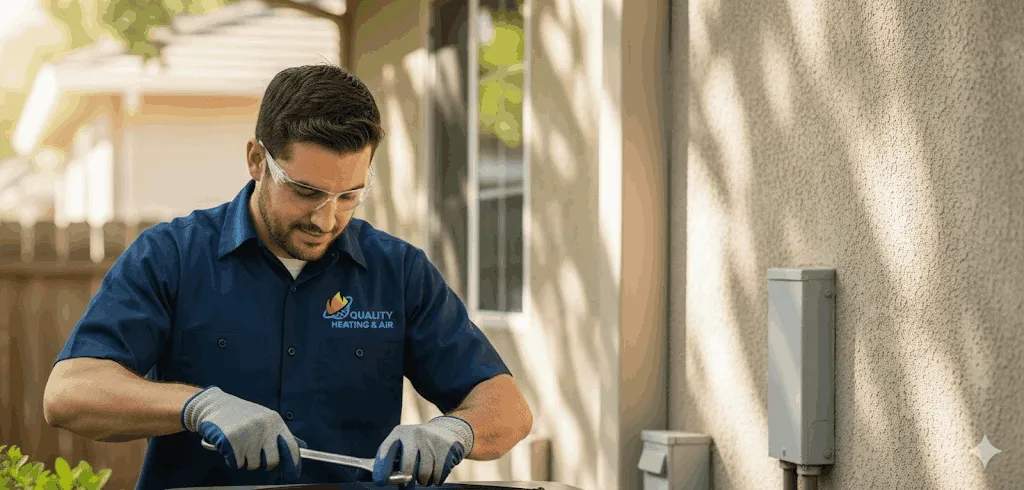
Water Heater Repair in Wheat Ridge, CO
Having reliable hot water is essential for daily life in Wheat Ridge homes. Cold Colorado winters and mineral-rich municipal water put extra stress on water heaters, so timely, professional water heater repair in Wheat Ridge, CO helps avoid discomfort, higher energy bills, and bigger failures.
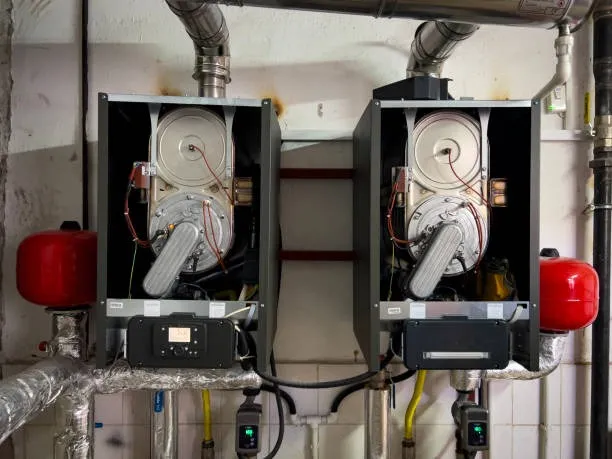
Common water heater problems in Wheat Ridge
- No hot water
- Often caused by failed heating elements on electric units or ignition and burner issues on gas models.
- Inconsistent temperatures
- Thermostat failures, thermostat miscalibration, or a partially failed element/burner.
- Leaks
- Leaks can come from plumbing connections, the pressure relief valve, the drain valve, or the tank itself.
- Sediment buildup
- Mineral deposits settle in the bottom of tanks, reducing capacity and causing overheating or popping noises.
- Strange noises
- Rumbling, cracking, or popping usually indicate sediment hitting the tank bottom or localized overheating.
- Pilot/ignition failures (gas units) or thermostat failures (electric units)
- Common causes include faulty thermocouples, gas control valves, igniters, or electronic control modules.
- Low hot water volume or slow recovery
- Could be due to heating inefficiency, scaling, or undersized unit for household demands.
- Tankless specific issues
- Scale buildup on heat exchangers, flow sensor or ignition errors, and blocked exhaust/air intake.
How a professional diagnostic is performed
A thorough diagnostic narrows down the root cause and informs a reliable estimate. Typical diagnostic steps include:
- Visual inspection
- Check for visible leaks, corrosion, or improper venting and combustion signs on gas units.
- Check supply conditions
- Verify cold water supply, pressure, and confirm gas line pressure on gas heaters.
- Electrical and control checks
- Test thermostats, heating elements, fuses, breakers, igniters, and control boards.
- Combustion and venting tests (gas)
- Verify proper burner operation, pilot or electronic ignition, and safe venting of combustion gases.
- Temperature and recovery testing
- Measure output temperature, recovery time, and thermostat setpoints to identify performance shortfalls.
- Sediment assessment
- Inspect drain valve and drop a quick vacuum or perform a partial drain to assess mineral buildup or rust.
Technicians document findings and provide a written estimate that explains recommended repairs and parts, plus any safety concerns that affect viability.
Typical repair solutions and parts
Most repairs are straightforward when caught early. Common fixes include:
- Replace heating elements or thermostats (electric)
- Replace gas control valve, thermocouple, pilot assembly, or electronic ignition modules (gas)
- Repair or replace temperature and pressure relief (T&P) valve and drain valves
- Replace anode rod to slow corrosion inside tanks
- Flush tank to remove sediment and restore efficiency
- Repair or replace dip tube to restore cold water inlet function
- Replace leaking fittings, shutoff valves, or tank connectors
- For tankless units: descaling or replacing flow sensors, heat exchangers, or control boards
- Repair or replace sacrificial anode or install inline water filtration where heavy corrosion is evident
Parts selection depends on system type, age, and manufacturer. After diagnosis, a detailed parts and labor estimate helps determine the best course of action.
Emergency repair availability and expected response
Water heater failures that cause flooding, gas leaks, or complete loss of hot water in winter can require immediate attention. Emergency repair windows depend on local call volume and technician availability, but residents in Wheat Ridge should expect:
- Safety-critical issues (active leaks, gas smell, or electrical hazards) to be prioritized for same-day emergency service when possible
- Non-emergency urgent issues (no hot water during cold weather) typically serviced within 24 hours depending on scheduling and parts availability
A professional repair team performs safety isolation, temporary shutoff when necessary, and a prioritized fix plan to stabilize the system until a permanent repair or replacement can be completed.
When to repair vs when to replace
Deciding between repair and replacement depends on several factors:
- Age of the water heater
- Most traditional tank units last 8 to 12 years; tankless units often last longer. Older units near the end of life are frequently better replaced.
- Cost of repair vs. replacement
- If repair costs approach 50 percent or more of a new unit, replacement is usually more cost-effective.
- Severity and type of damage
- Tank leaks or extensive internal corrosion usually require replacement. Component failures like elements, valves, or igniters are repairable.
- Efficiency and energy use
- Newer models are significantly more efficient. In Wheat Ridge, where cold winters increase hot water demand, a high-efficiency unit can lower winter energy use.
- Household needs
- If family size or hot water demand has increased, upgrading to a larger tank or a high-capacity tankless system may make sense.
A clear, written comparison helps homeowners weigh immediate repair costs, long-term energy savings, and expected service life.
Preventative maintenance to extend system life
Regular maintenance reduces emergency repairs and extends service life, especially in Wheat Ridge where mineral content in water can be an issue.
- Annual flush and sediment removal
- Flushing the tank removes mineral buildup that causes noise and efficiency loss.
- Inspect and replace the anode rod every 3 to 5 years
- A depleted anode accelerates tank corrosion.
- Test the T&P valve and inspect for leaks
- Ensures safety and prevents small issues from becoming major leaks.
- Inspect burner and venting on gas units
- Keeps combustion efficient and safe in cold months.
- Check electrical connections and tighten terminals on electric models
- Prevents premature component failure.
- Consider a water softener or point-of-use filtration
- Reduces scale formation in areas with mineral-rich water.
- Schedule annual professional tune-ups
- A yearly inspection catch issues early and maintain warranty compliance for some manufacturers.
Benefits of prompt repair
Timely water heater repair in Wheat Ridge, CO preserves comfort during cold months, improves safety, and reduces energy bills. Addressing small issues early prevents tank failure, water damage, and costly emergency replacements. Professional diagnostics, transparent estimates, and routine maintenance keep systems running efficiently and extend useful life.
If your home is experiencing any of the common issues above, a clear diagnosis will reveal whether a repair will restore reliable hot water or if replacement better protects your household and budget.
Promotions
Save on seasonal system checks from a local team that treats your home like our own.

Testimonials
Neighbors trust Quality Heating & Air for honest work and fair pricing.