
Air Purification Systems in Wheat Ridge, CO
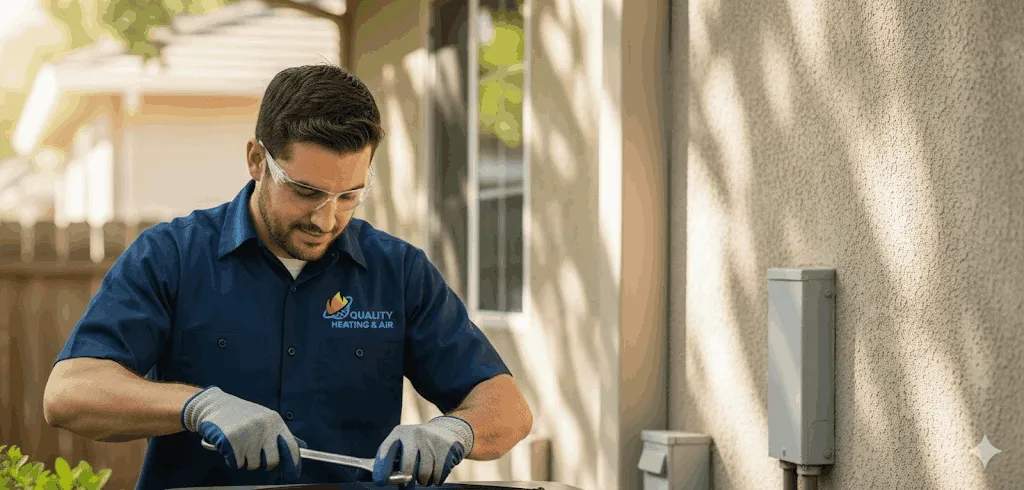
Air Purification Systems in Wheat Ridge, CO
Improving indoor air quality is more important than ever for Wheat Ridge homes. Local factors like spring pollen, Front Range temperature inversions that trap vehicle and wood-smoke pollutants, and periodic wildfire smoke from western Colorado make airborne contaminants a seasonal problem. Proper air purification systems in Wheat Ridge, CO remove allergens, particulates, odors, and pathogens to reduce symptoms, improve comfort, and protect sensitive household members.
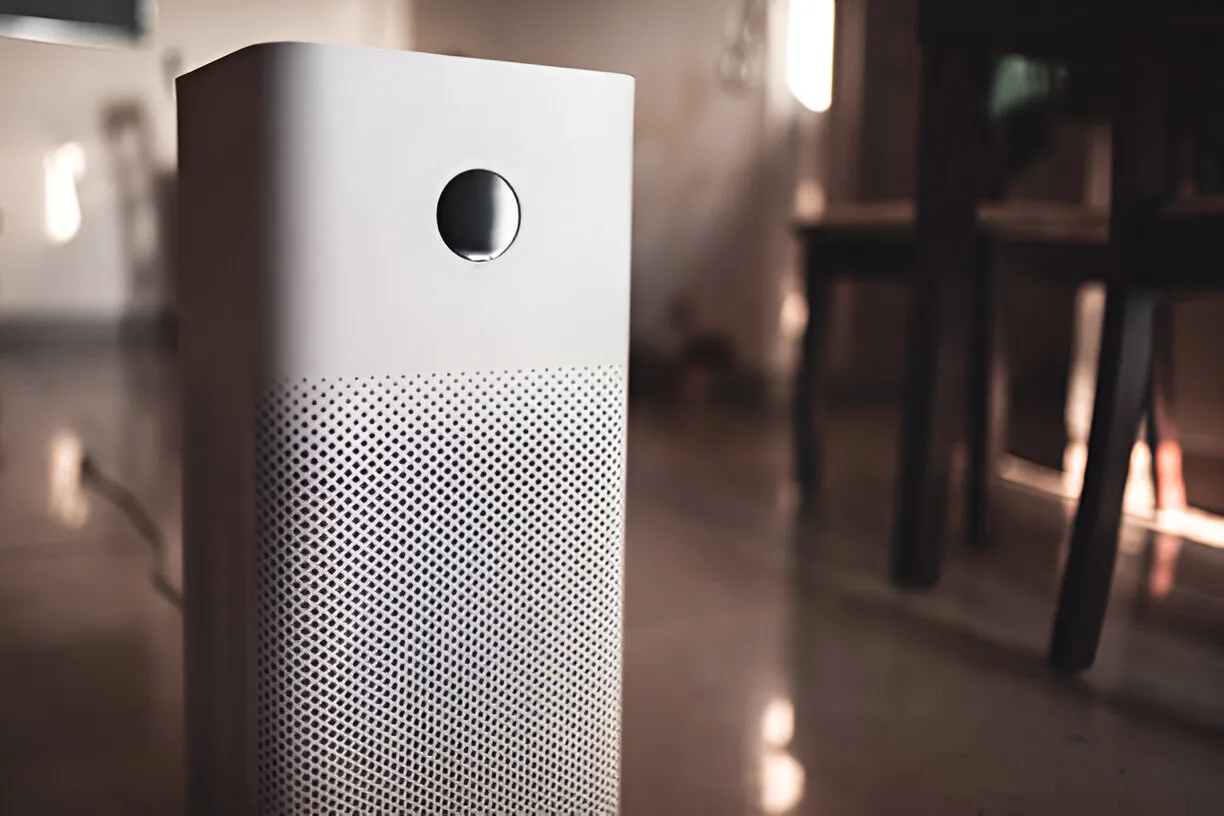
Why an air purification system matters in Wheat Ridge homes
Indoor air can be worse than outdoor air when homes are tightly sealed for energy efficiency. Common complaints in this area include sneezing and congestion during pollen season, lingering smoke odor after regional wildfires, stale indoor air in winter, and dust buildup from dry, windy weather. A well-chosen air purification solution reduces:
- Allergens such as pollen, dust mite fragments, and pet dander
- Fine particles from wildfire smoke and vehicle emissions (PM2.5)
- Volatile organic compounds (VOCs) and household odors
- Airborne pathogens and mold spores
Common technologies and how they work
Understanding available technologies helps match an approach to your home and symptoms.
- HEPA filtration
High efficiency particulate air filters capture 99.97 percent of particles down to 0.3 microns. Best for removing pollen, dust, smoke particles, and many allergens. Typically used in portable units and whole-home in-duct systems. - Activated carbon
Carbon media adsorb odors, some VOCs, and smoke gases that mechanical filters cannot remove. Often combined with HEPA to address both particles and odors. - UV germicidal lights
Ultraviolet-C lamps in the HVAC airstream inactivate bacteria, viruses, and mold on coils and filters. UV works as a supplemental technology; it does not remove particles. - Bipolar ionization
Ionizers produce charged particles that cluster airborne contaminants so they settle or are more readily captured by filters. Performance varies by product and proper testing is important. - Whole-home vs portable units
Whole-home in-duct systems treat air centrally and provide continuous protection for the entire house when integrated with your HVAC. Portable HEPA/activated carbon units are effective for single rooms or supplemental protection in bedrooms and living areas.
System sizing and HVAC compatibility
Correct sizing and compatibility are critical for performance:
- Whole-home units must match duct size, airflow (CFM), and static pressure limits of your existing furnace or air handler. Oversized filters or devices can reduce airflow and system efficiency.
- Portable units are sized by room square footage and CADR (clean air delivery rate). Multiple smaller units may be more effective than one undersized unit for multilayered protection.
- Older homes and legacy ductwork common in the Wheat Ridge area may need an airflow assessment. Homes with high-efficiency furnaces or variable-speed blowers can optimize whole-home purification without excessive energy impact.
Professional installation process
A typical professional installation includes:
- On-site assessment of home layout, HVAC equipment, and IAQ goals.
- Selection of technology or combination (HEPA + carbon, UV add-on, etc.) based on contaminants of concern.
- Sizing calculations for whole-home units or recommendations for portable unit placement.
- Installation by trained technicians with proper sealing and airflow testing to ensure no adverse effect on HVAC performance.
- Post-install testing to verify filtration efficiency and system integration.
Routine maintenance and filter replacement
Regular maintenance preserves performance and prevents secondary issues:
- HEPA and pleated filters: inspect every 3 months; replace per manufacturer guidelines or sooner in high-smoke seasons.
- Activated carbon cartridges: typically replaced every 6 to 12 months depending on VOC load and odor levels.
- UV lamps: replace annually or as manufacturer specifies because UV output declines over time.
- Ionization modules: periodic cleaning and manufacturer-recommended maintenance.
- Whole-home systems: annual inspection during HVAC tune-ups to check seals, pressure drop, and fan load.
Performance testing and indoor air quality measurement
Objective testing confirms results:
- Particle counters measure PM2.5 and particulate reduction before and after installation.
- VOC meters detect changes in volatile organic compound levels.
- Air exchange and ACH (air changes per hour) calculations estimate how quickly purified air circulates.
- Mold and allergen testing can be used in specific cases to document improvement.Professional IAQ testing gives measurable proof of system effectiveness for allergy sufferers and households concerned about smoke or pollutants.
Health, comfort, energy, and cost considerations
- Health and comfort: Effective purification reduces allergy and asthma triggers, improves sleep quality, and reduces lingering smoke odor.
- Energy impact: Whole-home filters add slight static pressure; modern HVAC-compatible systems and variable-speed blowers minimize energy penalties. Portable units consume electricity but allow targeted treatment without conditioning the whole house.
- Cost considerations: Balance upfront system type, ongoing filter and maintenance costs, and seasonal pollutant cycles. For many Wheat Ridge homeowners, the value lies in reduced health symptoms and fewer illness-related disruptions.
Brands, warranties, and reliability
Leading manufacturers offer combinations of HEPA, carbon, UV, and ionization with factory warranties on components and filters. When evaluating products:
- Check warranty terms for core components and lamps
- Ask for documented maintenance intervals required to maintain warranty coverage
- Choose certified HEPA or independently tested performance where possible
Financing and practical purchasing notes
Many homeowners finance larger whole-home upgrades through HVAC-focused financing plans or include air quality options within broader HVAC projects. Portable units provide a lower-cost entry point for seasonal problems. When considering financing, review projected maintenance costs and expected lifespan of core components.
FAQs — common decision-stage questions
Q: Which system is best for wildfire smoke?
A: A combination of true HEPA filtration and activated carbon is most effective for smoke particles and odors. Whole-home HEPA media or high-CADR portable HEPA units in occupied rooms provide strong protection.
Q: Will an air purifier eliminate HVAC odors and mold?
A: Carbon filters address many odors and VOCs; UV helps control microbial growth on coils but does not remove existing mold in building materials. Addressing moisture sources is essential for long-term mold control.
Q: Can a purifier affect my HVAC warranty or efficiency?
A: Properly sized, manufacturer-recommended in-duct systems installed by professionals will not harm HVAC equipment. Incorrectly installed or overly restrictive filters can stress fans; airflow testing prevents this.
Q: How will I know it is working?
A: Measurable reductions in PM2.5 and VOC readings, fewer allergy symptoms, less visible dust, and reduced smoke odor are reliable indicators. Professional testing provides objective confirmation.
Final considerations and maintenance tips
For Wheat Ridge households, seasonal planning yields the best results: increase filtration readiness before wildfire season, replace filters ahead of spring pollen, and include IAQ checks in annual HVAC tune-ups for winter. Choosing the right mix of whole-home and portable solutions tailored to your home layout, health needs, and existing HVAC equipment delivers the most effective long-term indoor air quality improvement.
Promotions
Save on seasonal system checks from a local team that treats your home like our own.

Testimonials
Neighbors trust Quality Heating & Air for honest work and fair pricing.