Signs Your Air Filter Needs Changing: What to Know

## Why Knowing the Signs Your Air Filter Needs Changing Can Save You Money and Comfort
The signs your air filter needs changing are easier to spot than most homeowners think — and catching them early can protect your HVAC system, your energy bills, and your indoor air quality.
Here are the most common signs to watch for:
- Weak or reduced airflow from your vents - Faster dust buildup on furniture and surfaces - Allergy or respiratory symptoms flaring up indoors - Musty or dusty smell when the system runs - Higher energy bills with no clear explanation - The system runs constantly or cycles on and off more than usual - Uneven temperatures from room to room - The filter looks gray, matted, or visibly clogged
Most filters should be replaced every one to three months — but in homes with pets, allergies, or heavy HVAC use, that window can shrink fast. According to U.S. Department of Energy data, a clogged filter can increase your system's energy use by up to 15%. And a Texas repair company that tracked 500 AC unit replacements found that 68% of those systems had been running with filters unchanged for over a year.
The good news? You don't need to be an HVAC expert to recognize the warning signs. A quick monthly check is usually all it takes.
Common signs your air filter needs changing vocab:
- does filter type affect replacement frequency - how often should you change your hvac air filter
Key Signs Your Air Filter Needs Changing in Your Home
When your home's air filter becomes clogged with dust, pet hair, lint, and outdoor pollen, it acts like a giant brick wall inside your ductwork. Your furnace or air conditioner has to fight incredibly hard just to push air through it. Because we live in a busy household environment, we often overlook the subtle warnings our HVAC systems give us until something major goes wrong.
If you want to avoid unexpected breakdowns, keep an eye out for these telltale signs:
1. Weak Airflow from Your Registers
If you hold your hand up to a supply vent while the system is running and the breeze feels more like a gentle whisper than a steady stream, your filter is likely choked with debris. When air cannot easily pass through the filter, the volume of air circulating through your home drops significantly. This means it will take much longer for your home to reach the temperature set on your thermostat.
2. Rapid Dust Buildup Around Your Home
Do you find yourself dusting your coffee table, TV stand, or shelves only to see a thin gray layer return just a day or two later? A clean air filter continuously traps airborne dust. Once the filter is completely saturated, it can no longer hold any more particles. Instead, those dusty particles bypass the filter entirely or get blown right back into your living spaces, settling on your furniture and floors.
3. More Frequent Allergy and Respiratory Flare-Ups
If you or your family members are sneezing more often, experiencing itchy eyes, or waking up with a stuffy nose, your air filter may have reached its limit. When filters are neglected, indoor air quality suffers. This is especially true during seasonal transitions, which is why reviewing a Spring Air Filter Replacement Guide is so helpful for keeping your home’s air fresh and breathable.
4. A Dusty, Musty, or Stale Odor
When your heating or cooling system kicks on, do you notice a distinct musty smell? Over time, a dirty filter traps moisture alongside organic dust particles, creating a breeding ground for mold and mildew. As the air passes through this dirty barrier, it carries those stale odors directly into your bedrooms and living areas.
5. Constant System Operation and Short Cycling
An HVAC system is designed to run in cycles — turning on to heat or cool your home, and then resting. However, when airflow is severely restricted by a dirty filter, the system has to run constantly to try and keep up. Alternatively, it might "short cycle," which means it turns on and off rapidly because the internal components are overheating due to a lack of cool air.
6. Uneven Room Temperatures
Have you noticed that your living room is freezing while your upstairs bedroom feels like a sauna? Poor airflow prevents balanced air distribution. The rooms closest to your main HVAC unit might feel fine, but the rooms further down the ductwork line won't receive enough conditioned air to stay comfortable.
How a Clogged Filter Impacts Your Home and Health
Ignoring the signs your air filter needs changing does more than just make your home slightly dusty; it directly impacts your physical well-being, places immense physical strain on your heating and cooling equipment, and hits your wallet where it hurts.
Understanding how these systems interact can help you protect both your family and your budget. For a deeper look at managing your home's air, you can read our guide on How to Improve Indoor Air Quality at Home. Additionally, living in Colorado presents unique environmental challenges; dry air combined with high wind-blown dust can accelerate how quickly filters clog. To learn more about this, check out How Colorado Dry Air Affects Indoor Air Quality.
Why Ignoring the Signs Your Air Filter Needs Changing Wastes Energy
Heating and cooling take up about half of a typical home’s energy use, and with 88 percent of U.S. homes relying on air-conditioning, keeping these systems running efficiently is a major financial priority.
When your air filter is dirty, the blower motor has to work twice as hard to pull and push air. This extra physical resistance causes a dramatic spike in electrical consumption. According to the U.S. Department of Energy, a dirty filter can increase your system's energy use by up to 15%. Conversely, replacing a clogged filter with a clean one can trim your AC power use by 5 to 15 percent.
Overworking the blower motor doesn't just raise your utility bills; it also causes the motor to run hot, leading to premature wear and tear. If left unchecked, this strain can cause expensive components like the compressor or heat exchanger to fail entirely. To keep your system running smoothly year-round, consult our HVAC Air Filter Change Guide 2026.
How Poor Filtration Harms Your Health
According to the EPA, indoor air can be two to five times more polluted than outdoor air. When your HVAC filter is packed with dust, it stops acting as a protective shield.
Instead, it allows allergens like pet dander, mold spores, pollen, and dust mites to continuously recirculate through your home. This constant exposure can trigger asthma attacks, worsen chronic respiratory conditions, and cause daily discomfort.
To illustrate the impact of simple filter maintenance, consider the case of one homeowner who tracked her symptoms for six months: she found her sneezing dropped by 70% after replacing her filter every 60 days instead of waiting 90 days. Taking this small step can dramatically improve your daily comfort. For more details on how your heating and cooling setup influences the air you breathe, read How Your HVAC System Affects Indoor Air Quality.
How to Visually Inspect Your Air Filter
You don’t have to guess whether your air filter is dirty. The most reliable way to know if it's time for a replacement is to perform a simple visual check.
Follow these easy steps to inspect your filter:
1. Turn off your HVAC system: Always turn off your heating or cooling system at the thermostat before removing the filter. This prevents dirty air from being sucked into the unprotected system while the filter is out. 2. Locate and slide out the filter: The filter is typically located in the return air duct slot next to your furnace or air handler, or behind a return air grille on a wall or ceiling. Carefully slide it out. 3. Examine the color and texture: A brand-new filter is bright white. If your filter is gray, brown, or covered in a visible layer of matted dust, lint, and pet hair, it needs to be replaced immediately. If you tap the frame gently over a trash can and a cloud of dust flies out, it is long overdue. 4. Perform the "Light Test": Hold the filter up to a bright light bulb or window. If the filter is clean or only slightly dusty, you will easily see light passing through the pleated material. If the light is completely blocked or barely visible, the fibers are clogged, and the filter must be changed.
How Often Should You Replace Your Air Filter?
There is no single "one-size-fits-all" schedule for changing air filters because every household is different. While most manufacturers recommend replacing standard filters every 90 days, your actual replacement frequency depends on several factors: the thickness of your filter, whether you have pets, if anyone in your home suffers from allergies, and local environmental conditions.
The MERV (Minimum Efficiency Reporting Value) rating of your filter also plays a major role in how often it needs to be swapped out. High-efficiency filters capture smaller particles, which means they can fill up faster than cheap fiberglass filters. To understand how your specific filter choice impacts your maintenance schedule, check out our guide on Does Filter Type Affect Replacement Frequency.
| Filter Type | Thickness | Recommended Replacement Frequency | Best For | | --- | --- | --- | --- | | Basic Fiberglass | 1 inch | Every 30 days | Budget-conscious homes without pets or allergies | | Pleated Polyester | 1 to 2 inches | Every 60 to 90 days | Standard homes, mild allergy sufferers | | High-Efficiency Pleated | 1 to 2 inches | Every 30 to 60 days | Homes with multiple pets or moderate-to-severe allergies | | Media Filter | 4 to 5 inches | Every 6 to 12 months | Homes with advanced air cleaners, low-maintenance preferences |
Car vs. Home: Different Signs Your Air Filter Needs Changing
It is worth noting that your home isn't the only place where air filters matter. Your vehicle also relies on air filters to function properly, though the signs of a dirty car filter are quite different from those in your home.
Your car actually has two main air filters:
- The Cabin Air Filter: This filters the air you breathe inside the car. When dirty, it causes weak airflow from your dashboard vents, dusty smells, and noisy fan operation. - The Engine Air Filter: This filters the air entering your car’s combustion chamber. A dirty engine air filter restricts airflow to the engine, leading to reduced horsepower, sluggish acceleration, a "Check Engine" light, an unburned fuel smell, or even black smoke emitting from the exhaust.
While a dirty car engine filter primarily hurts mechanical performance and fuel efficiency, a dirty home HVAC filter primarily impacts your indoor air quality, comfort, and home energy bills.
What to Do When Your Filter Needs Replacement
When you discover that your air filter is dirty, replacing it is a quick and straightforward DIY task. Taking the right steps ensures your system remains protected and runs at peak efficiency.
Here is what you should do:
- Turn off your system: Never pull a filter out while the blower fan is actively running. - Note the size: Look at the cardboard frame of your old filter. You will see dimensions printed on it (e.g., 20" x 25" x 1"). Always buy the exact size match to ensure a tight seal; a loose filter allows dirty air to bypass the filtration material entirely. - Check the airflow arrow: Look closely at the frame of your new filter. You will find printed arrows indicating the direction of airflow. When sliding the new filter in, make sure the arrow points toward the furnace or air handler unit, and away from the return air duct. - Keep spare filters on hand: Buy your filters in packs of three or six. Having a fresh filter ready in your utility closet makes it incredibly easy to swap it out the moment you notice it is dirty. - Set a monthly reminder: Mark your calendar or set a recurring reminder on your smartphone for the first day of every month to inspect your filter.
For a complete seasonal checklist to keep your entire heating and cooling system in top shape, review our Spring HVAC Maintenance Checklist.
Frequently Asked Questions
Can a dirty air filter cause my AC to stop working?
Yes, absolutely. A severely clogged air filter restricts the warm air flowing over your air conditioner's evaporator coil. Without sufficient warm air to keep it warm, the moisture on the coil will freeze solid, turning your AC into a block of ice. This blocks all airflow, causes warm air to blow from your vents, and can trigger safety switches that shut down your system completely to prevent catastrophic compressor failure.
Can I clean and reuse a disposable air filter?
No. Standard fiberglass and pleated paper filters are strictly disposable. Attempting to vacuum, wash, or blow compressed air through a disposable filter will damage the delicate fibers, ruin its structural integrity, and drastically lower its efficiency. Only filters explicitly labeled as "washable" or "electrostatic" should be cleaned and reused, and they must be allowed to dry completely before reinstallation to prevent mold growth.
How often should I change my filter if I have pets?
If you have one pet, you should change your filter every 60 days. If you have multiple pets, or pets that shed heavily (like Golden Retrievers or long-haired cats), you should inspect your filter monthly and replace it every 30 days. Pet hair and dander are heavy and sticky, which causes filters to clog much faster than standard household dust.
Keep Your Home Comfortable and Efficient Year-Round
Recognizing the signs your air filter needs changing is one of the easiest and most effective ways to protect your home's comfort, save money on energy bills, and maintain clean indoor air. However, while changing your filter is a great DIY task, your HVAC system still needs professional attention to run safely and efficiently throughout Colorado's freezing winters and hot summers.
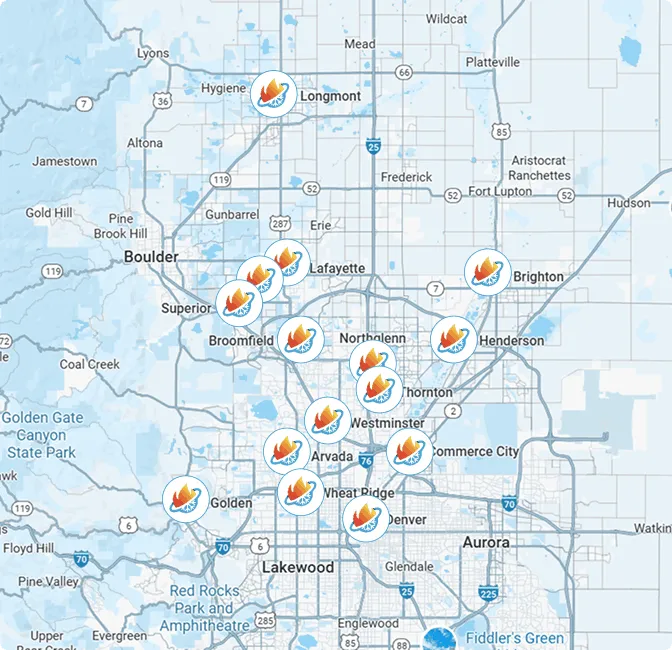
At Quality Heating and Air, we provide comprehensive, energy-efficient HVAC services across Thornton, CO, Northglenn, CO, Denver, CO, and the surrounding areas. We treat every home like our own, offering transparent pricing, 24/7 emergency availability, and a customer-first approach.
To take the hassle out of your home maintenance and ensure your system is always running at its best, explore our hassle-free Maintenance Plan today, or reach out to our friendly team to schedule your next tune-up!

Testimonials
Neighbors trust Quality Heating & Air for honest work and fair pricing.
Service Areas