
Furnace Tune Up in Longmont, CO
Furnace Tune Up in Longmont, CO
Keeping your furnace tuned and ready is one of the simplest ways to protect your home, reduce heating costs, and avoid emergency breakdowns during Longmont winters. A professional furnace tune up inspects, cleans, adjusts, and tests every critical component so your system runs safely and efficiently when you need it most. Below is a clear, step-by-step look at what a complete furnace tune up in Longmont, CO includes, why timing matters here, and the follow-up actions that keep your system reliable year after year.
Why a furnace tune up is important for Longmont homes
Longmont sits on the Front Range at nearly 5,000 feet elevation. That means colder winters, larger daily temperature swings in shoulder seasons, and combustion differences that can affect gas-fired equipment. Homes also experience dry air and seasonal dust which can clog filters and components faster. A tune up helps:
- Ensure safe combustion and minimize carbon monoxide risk
- Maintain efficient operation despite altitude and temperature swings
- Extend furnace life by catching small problems before they become major failures
- Improve comfort and indoor air quality for Colorado winters
Common furnace tune up issues in Longmont, CO
- Dirty burners or clogged filters reducing airflow and heat transfer
- Weak or intermittent ignition, flame sensor fouling, or pilot issues
- Cracked or corroded heat exchanger causing efficiency loss and safety risk
- Improper combustion at higher elevation leading to incomplete burn or elevated CO
- Worn blower motor bearings, belts, or dirty blower wheel reducing airflow
- Faulty safety controls or failed limit switches that cause short cycling
What a professional furnace tune up includes (step-by-step)
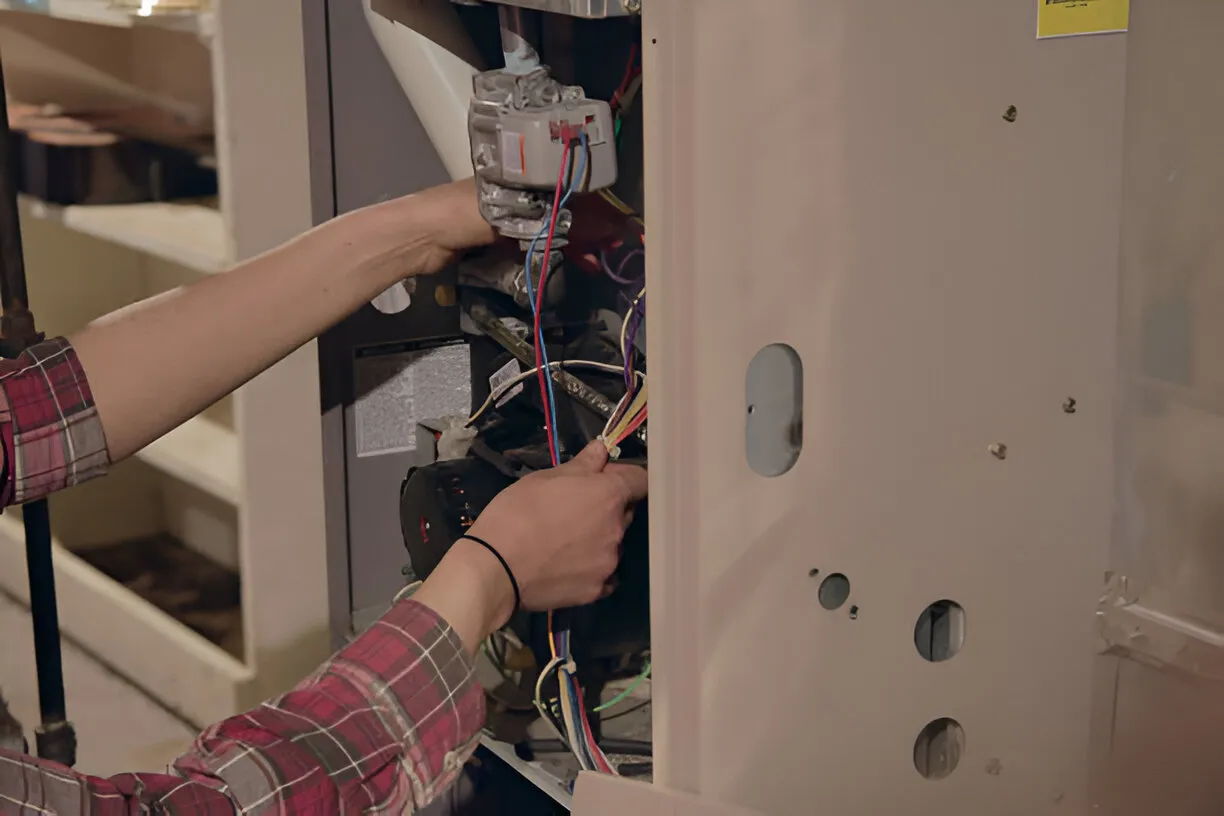
A thorough tune up follows a systematic checklist so nothing is missed. Typical steps include:
- Initial system evaluation
- Review system make, model, age, service history, and any previous issues.
- Note visible signs of wear, rust, or soot.
- Safety checks and power-off inspection
- Shut down power and gas before accessing internal components.
- Inspect flue, venting, and combustion chamber for blockages or corrosion.
- Check for signs of gas leaks or improper venting.
- Clean and inspect burners and heat exchanger
- Remove and clean burners to restore proper flame pattern.
- Visually inspect the heat exchanger for cracks or corrosion that can cause carbon monoxide leakage.
- If combustion issues are suspected, perform a combustion analysis and CO test.
- Test and adjust ignition and safety controls
- Clean or replace flame sensor and inspect ignition system (hot surface ignitor or pilot).
- Test limit switches, rollout switches, pressure switches, and gas valve operation.
- Verify proper operation of the inducer and draft where applicable.
- Verify and optimize airflow
- Inspect and clean blower wheel, motor, and housing.
- Check belt tension and condition on older furnaces.
- Measure airflow and static pressure if needed; recommend duct inspection or sealing when restricted airflow is found.
- Thermostat operation and electrical checks
- Calibrate thermostat, replace thermostat batteries, and verify correct cycle initiation.
- Tighten electrical connections, test capacitors, relays, and control board operation.
- Filter and filter housing inspection
- Inspect filter type and condition; recommend replacement frequency (commonly every 1-3 months depending on use and household).
- Clean filter housing and check for bypasses or improper sizing.
- High-efficiency furnace specific items
- Inspect and clear condensate traps and drains.
- Test pressure switch and confirm proper venting of PVC vent systems.
- Full system start-up and performance test
- Run a full heating cycle to confirm proper ignition, flame quality, steady airflow, and stable temperature rise across the exchanger.
- Measure post-maintenance CO levels and combustion efficiency where applicable.
- Service report and recommendations
- Provide a concise list of findings, safety notes, and suggested follow-up actions such as repairs, filter replacement, or duct sealing.
Expected duration and seasonal timing
- Expected duration: Most furnace tune ups take 60 to 90 minutes for modern systems. Older units, multi-stage furnaces, or systems needing deeper cleaning or repairs can take up to 2 hours.
- Best time to schedule: Early fall (September or October) before Longmont’s first sustained cold spell. Scheduling then ensures your system is ready and reduces the chance of emergency service calls on the coldest nights. Annual tune ups are recommended.
Benefits: efficiency, longevity, safety, and comfort
- Improved efficiency: A clean, properly adjusted furnace uses less fuel to maintain temperature, often reducing seasonal energy use and lowering utility bills.
- Extended lifespan: Routine maintenance reduces wear on major components and commonly adds several years to a furnace’s useful life.
- Fewer breakdowns: Many common failures are caught at the tune up stage, preventing inconvenient and costly emergency repairs.
- Safety assurance: Combustion checks and heat exchanger inspections reduce the risk of carbon monoxide exposure and unsafe venting.
- Better comfort and air quality: Proper airflow and a clean system deliver more consistent home temperatures and fewer airborne particulates.
Recommended follow-up actions after a tune up
- Replace filters on a regular schedule: every 1-3 months depending on filter type and household factors (pets, occupants, allergy sufferers).
- Install or check carbon monoxide detectors on each level and near sleeping areas.
- Consider duct sealing or insulation if airflow issues were identified.
- Keep a record of service dates and findings to track system health and aging components.
- If your furnace is older than 12-15 years or requires frequent repairs, evaluate replacement options for improved efficiency and reliability.
Final notes on choosing the right tune up for Longmont
A furnace tune up tailored to Longmont conditions will include attention to combustion at elevation, venting integrity in winter conditions, and dust/dry-air related issues common to the region. An annual, professional tune up gives you confidence that your heating system will perform safely and efficiently all season long while protecting your investment in home comfort.
Promotions
Save on seasonal system checks from a local team that treats your home like our own.

Testimonials
Neighbors trust Quality Heating & Air for honest work and fair pricing.