
Furnace Maintenance in Longmont, CO
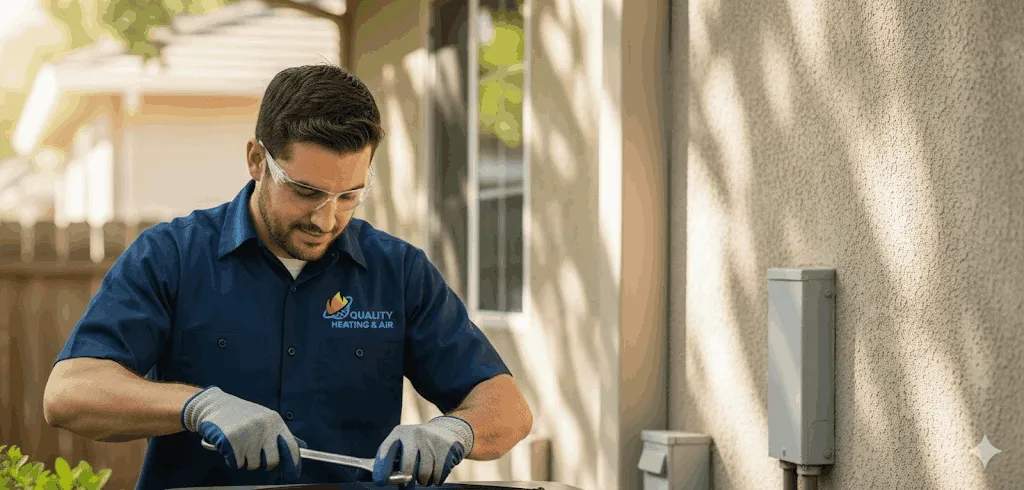
Furnace Maintenance in Longmont, CO
Keeping your furnace well maintained is essential for reliable warmth, lower energy bills, and safe operation through Longmont winters. With cold, snowy months, big daily temperature swings, and the higher elevation of Boulder County, furnaces in Longmont face unique stresses that make seasonal maintenance more than a convenience.
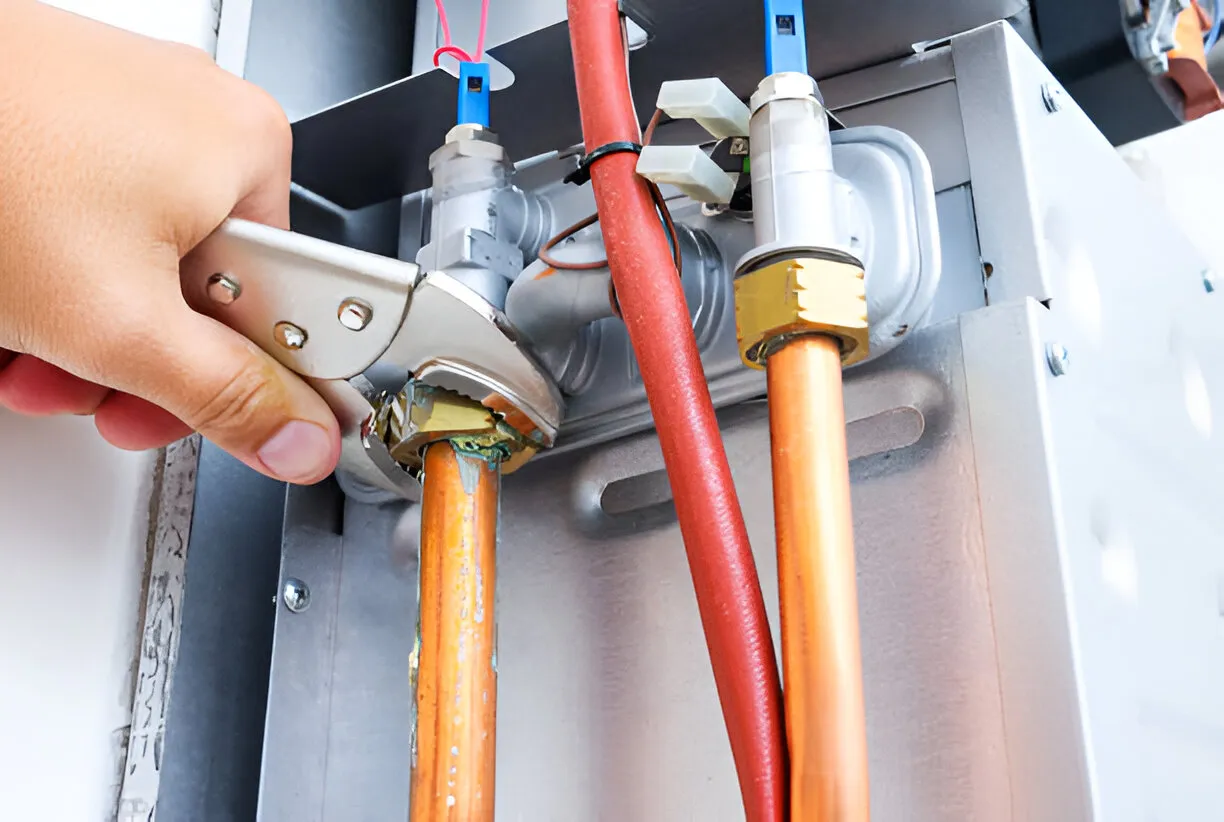
Common furnace issues in Longmont homes
- Frequent cycling or poor heat output: clogged filters, restricted airflow, or dirty burners reduce capacity and cause short cycling.
- Ignition or pilot failures: flame sensors and electronic ignitors can fail after years of operation, more noticeable when temperatures drop.
- Blower motor wear: heavy winter use accelerates bearing and motor wear, reducing airflow and efficiency.
- Dirty heat exchanger or burner assembly: soot and debris reduce heat transfer and can lead to uneven heating or safety concerns.
- Vent and flue obstructions: snow, ice, or nests can partially block vents and exhausts, particularly important at higher elevations.
- Carbon monoxide risk: improper combustion or cracked heat exchangers present a serious safety hazard; combustion and CO testing are critical.
- Condensate and drain problems (high-efficiency furnaces): cold snaps can cause condensate lines to freeze or clog, leading to shutoffs.
What a seasonal furnace tune-up covers
A professional seasonal tune-up is a methodical inspection and service designed to restore performance and confirm safe operation. Typical tasks include:
- Inspection of the entire heating system, including cabinet, controls, and visible heat exchanger condition.
- Cleaning burners, ignition assemblies, and flame sensors to ensure reliable ignition.
- Filter check and replacement or recommendation for the correct filter type and MERV rating.
- Blower assembly cleaning and lubrication of motors and bearings where applicable.
- Airflow measurement and adjustment to optimize distribution and reduce strain.
- Combustion analysis and CO test to verify safe combustion and proper venting.
- Inspection of flue and venting systems for obstructions, corrosion, or leaks.
- Electrical checks: tightness of connections, voltage tests, and control operation.
- Thermostat calibration and control system verification.
- Safety control tests including limit switches, pressure switches, and roll-out sensors.
- Test run and performance verification under load, with a final report of findings and recommendations.
Benefits of regular furnace maintenance
- Improved reliability: scheduled service reduces unexpected breakdowns during the coldest periods.
- Higher efficiency: clean burners, tight electrical connections, and proper airflow keep operating costs down.
- Longer equipment life: preventive upkeep reduces wear on moving parts and extends useful service life.
- Enhanced safety: combustion analysis and CO testing protect your household from dangerous exhaust and leaks.
- Better indoor comfort: consistent airflow and calibrated thermostats maintain even temperatures throughout the home.
- Preserved warranties: many manufacturers require documented annual maintenance to keep warranties valid.
- Early detection of problems: technicians identify small issues before they become costly repairs.
Recommended service intervals and filter guidance
- Annual professional tune-up: schedule one full furnace inspection and tune-up before the heating season, ideally in late summer or early fall. This ensures your system is ready before sustained cold sets in.
- Additional mid-winter check: if your furnace is older or you rely heavily on heat, a winter check can catch seasonal issues like condensate freeze or vent blockage.
- Filter replacement: check filters monthly during heavy use. Standard fiberglass or pleated filters are typically replaced every 1 to 3 months depending on household conditions. Homes with pets, smokers, or high dust may need more frequent changes. Consider a higher-efficiency filter only if your system can handle the reduced airflow; your technician can recommend a compatible MERV rating.
- Humidifier and IAQ service: if you use a whole-home humidifier or air purification, include these components in seasonal service to improve comfort and protect the furnace.
Membership and maintenance plans explained
Maintenance plans simplify scheduling and provide predictable care. Typical tiers include:
- Basic Plan: annual inspection and fall tune-up, priority scheduling for service visits, and seasonal reminders.
- Standard Plan: two annual visits (fall tune-up and a winter check), filter delivery or replacement, and small parts discounts.
- Premium Plan: includes the Standard benefits plus priority emergency response, larger discounts on repairs and parts, documented service reports, and annual combustion and CO testing.
Common features across plans: discounted diagnostic fees, maintenance history records, and peace of mind knowing your system is regularly checked. Plans are designed to reduce total lifecycle costs and make budgeting for HVAC care straightforward.
What homeowners can expect during a maintenance visit
- Arrival by a certified technician who will introduce themselves and review your heating concerns and system history.
- A 45 to 90 minute inspection and service, depending on system age and condition.
- Technician will power down equipment as needed, perform visual inspections, cleaning, adjustments, and safety tests.
- You will receive a clear summary of work performed, any defects or safety issues found, and recommended next steps if repairs are needed.
- If an immediate safety issue is discovered, the technician will explain the risk and present options for correction.
- Minimal disruption: technicians work to keep work areas clean and will protect floors and furniture while accessing equipment.
Longmont-specific considerations
Longmont’s cold winters, freeze-thaw cycles, and higher elevation mean furnaces work harder than in milder areas. Important local considerations:
- Altitude affects combustion: adjustments to gas pressure and venting are sometimes necessary to maintain safe, efficient combustion.
- Snow and ice can block outside vents and cause high-efficiency furnaces to shut down; technicians will check vent terminations for clearance.
- Dry winter air increases dust circulation and static, making filter maintenance and IAQ solutions more valuable.
- Rapid day-night temperature swings in spring and fall place additional cycling demands on systems; a pre-season tune-up helps systems adapt.
Routine furnace maintenance gives Longmont homeowners predictable comfort, improved efficiency, and safety assurance during the cold season. Annual professional tune-ups, appropriate filter care, and membership plans tailored to your household needs go a long way toward avoiding emergency repairs and keeping heating bills under control.
Promotions
Save on seasonal system checks from a local team that treats your home like our own.

Testimonials
Neighbors trust Quality Heating & Air for honest work and fair pricing.