
Furnace Replacement in Longmont, CO
Furnace Replacement in Longmont, CO
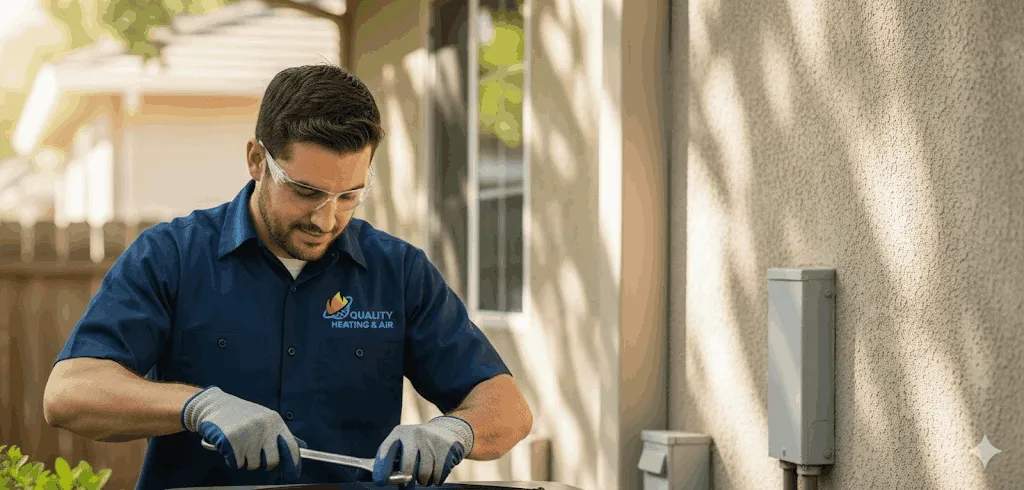
Replacing a furnace is one of the most important home investments for Longmont homeowners. Winters at this elevation bring cold nights, large diurnal temperature swings, and occasional prolonged freezes that put continuous load on heating systems. A properly sized, high-efficiency furnace reduces utility bills, improves comfort through more even heat, and reduces the risk of breakdowns during the coldest weeks.
Why Longmont homes often need furnace replacement
- Older furnaces reach the end of their useful life (commonly 15 to 20 years) and lose efficiency.
- Frequent on/off cycling, uneven room temperatures, and rising heating bills are common signs of failing components.
- Colorado’s dry climate and temperature swings can reveal hidden problems like cracked heat exchangers, failing controls, or worn blowers that compromise safety and performance.
- Many homes benefit from modern features like variable-speed blowers and modulating gas valves that match output to actual load for comfort and efficiency.
Common furnace issues that lead to replacement in Longmont
- Persistent pilot or ignition failures and repeated burner or control board repairs.
- Noticeable increases in energy bills despite no change in usage patterns.
- Uneven heating between floors or rooms, indicating improper sizing or airflow problems.
- Age-related concerns: rust or corrosion, loud operation, and visible cracks in heat exchangers.
- Incompatible refrigerant or ventilation arrangements when pairing with updated AC or heat pump systems.
System evaluation and life-expectancy assessment
A thorough replacement decision starts with an on-site evaluation:
- Visual inspection of the existing unit, venting, and flue for corrosion, leaks, and safety issues.
- Performance checks including combustion analysis (where applicable), blower motor function, and thermostat response.
- Assessment of past service history and frequency of repairs to estimate remaining useful life.
- Identification of hidden issues such as poor combustion air, undersized gas line, or duct leakage that reduce longevity.
If a heat exchanger shows cracks, or if repairs are recurring and costly, replacement is typically the safer, more economical choice.
Sizing and load calculations for Longmont homes
Avoiding oversizing or undersizing is critical in Colorado’s climate:
- A professional sizing process uses a Manual J heat load calculation to quantify how much heating your specific house needs based on insulation, windows, orientation, and infiltration.
- Manual S selection then matches that load to the right furnace model and size, ensuring efficient runtime and proper humidity/comfort control.
- Proper duct design and airflow balance are checked with a Manual D evaluation when needed. Duct leaks or undersized runs are corrected to achieve design CFM and silent performance.
Energy-efficiency comparisons (AFUE ratings)
- AFUE stands for Annual Fuel Utilization Efficiency and measures how much fuel is converted to heat. For Longmont’s cold winters, aim for high-efficiency condensing furnaces with AFUE of 95% or higher for gas systems to see meaningful savings.
- Features that improve efficiency and comfort include two-stage or modulating burners, variable-speed blower motors, and advanced control boards for better sequencing.
- Electric furnaces and heat pump combinations can be considered depending on fuel preferences, existing ductwork, and electricity rates.
Recommended brands and models
Longmont homeowners often choose reliable, widely supported brands that offer local parts availability and proven warranties:
- Carrier, Trane, Lennox, Daikin, and Amana are common choices offering high-efficiency condensing gas furnaces and variable-speed options.
- When selecting a model, look for features such as modulating gas valves, a multi-speed or variable-speed ECM blower, durable heat exchangers, and robust warranties on parts and heat exchangers.
Step-by-step furnace replacement process
- Pre-install assessment: site inspection, Manual J/S calculations, and equipment selection with attention to venting and gas connections.
- Preparation: obtain required permits, schedule replacement for a low-demand period if possible, and prepare staging area.
- Removal: safely disconnect and remove the old furnace, cap or remove old venting that will not be reused, and inspect existing gas and electrical connections.
- Installation: set and secure new furnace, install correct venting and condensate drainage for condensing units, and ensure proper gas line sizing and pressure testing.
- Ductwork and airflow tuning: modify or seal ducts as needed, install new media filters if required, and balance supply/return airflow.
- Start-up and testing: run combustion or system efficiency tests, verify thermostat communication, perform safety checks, and measure temperature split and airflow.
- Documentation: register warranties, provide owner operation information, and deliver maintenance recommendations.
Financing and rebate information
- Many homeowners finance furnace replacements through manufacturer financing, third-party lenders, or home improvement loans that spread cost over time.
- High-efficiency systems may qualify for local utility rebates and state or federal incentives. Longmont residents should review current offerings from municipal utilities and statewide programs to find rebates for AFUE-rated systems or energy-efficient upgrades.
- Keep documentation of equipment model numbers, efficiency ratings, and contractor invoices; these are often required for rebate or incentive applications.
Expected benefits after replacement
- Lower utility bills from enhanced AFUE and reduced runtime thanks to proper sizing and variable-speed technology.
- Improved comfort with more consistent temperatures, quieter operation, and better humidity control when paired with balanced airflow.
- Increased safety and reliability by eliminating aging components prone to failure and by ensuring compliant venting and combustion safety.
- Long-term peace of mind with modern warranties and easier maintenance access.
Maintenance and extending system life
- Schedule annual tune-ups to maintain combustion efficiency, check heat exchanger integrity, clean burners, and verify blower operation.
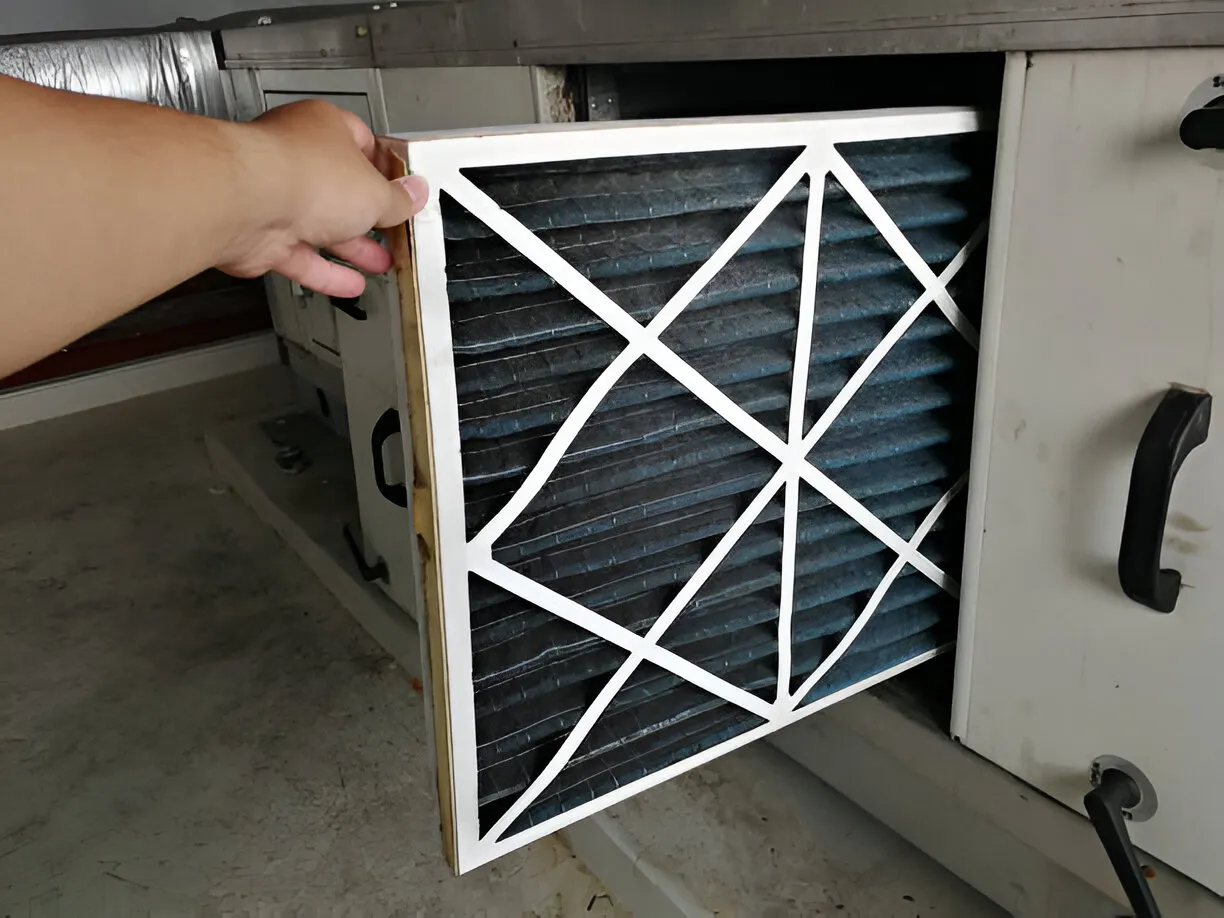
- Replace filters regularly and monitor humidity levels inside the home to reduce strain on the system.
- Address ductwork leaks and insulation improvements in the attic and envelope upgrades to lower load and prolong furnace life.
Replacing a furnace in Longmont, CO is a technical decision with clear financial and comfort impacts. Proper evaluation, accurate load calculations, selecting the right high-efficiency model, and correct installation form the foundation of a reliable heating system that performs through Longmont winters while minimizing operating cost.
Promotions
Save on seasonal system checks from a local team that treats your home like our own.

Testimonials
Neighbors trust Quality Heating & Air for honest work and fair pricing.