
Furnace Installation in Longmont, CO
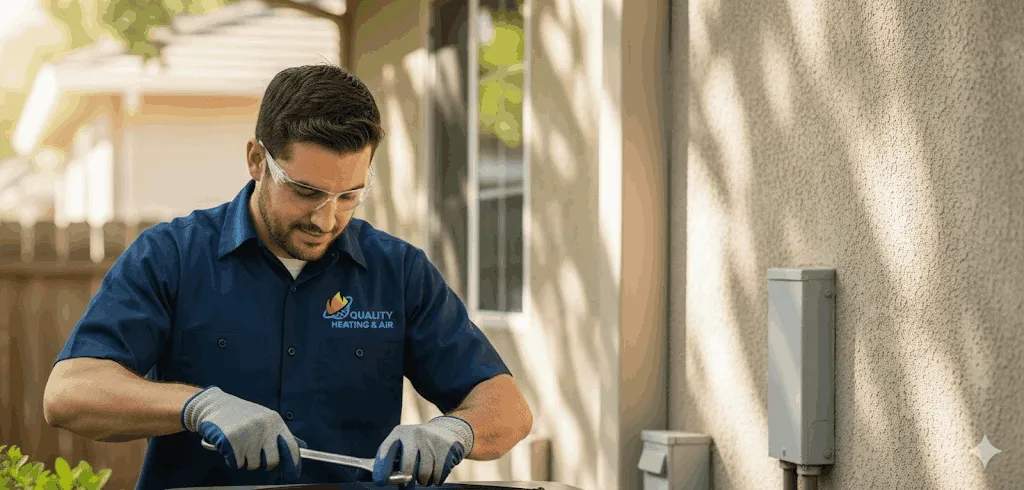
Furnace Installation in Longmont, CO
Replacing or installing a furnace is one of the most important investments you make for year round comfort. In Longmont, CO, where cold winter nights, high elevation, and wide temperature swings place extra demands on heating systems, a properly planned furnace installation ensures reliable warmth, lower energy bills, and safe operation.
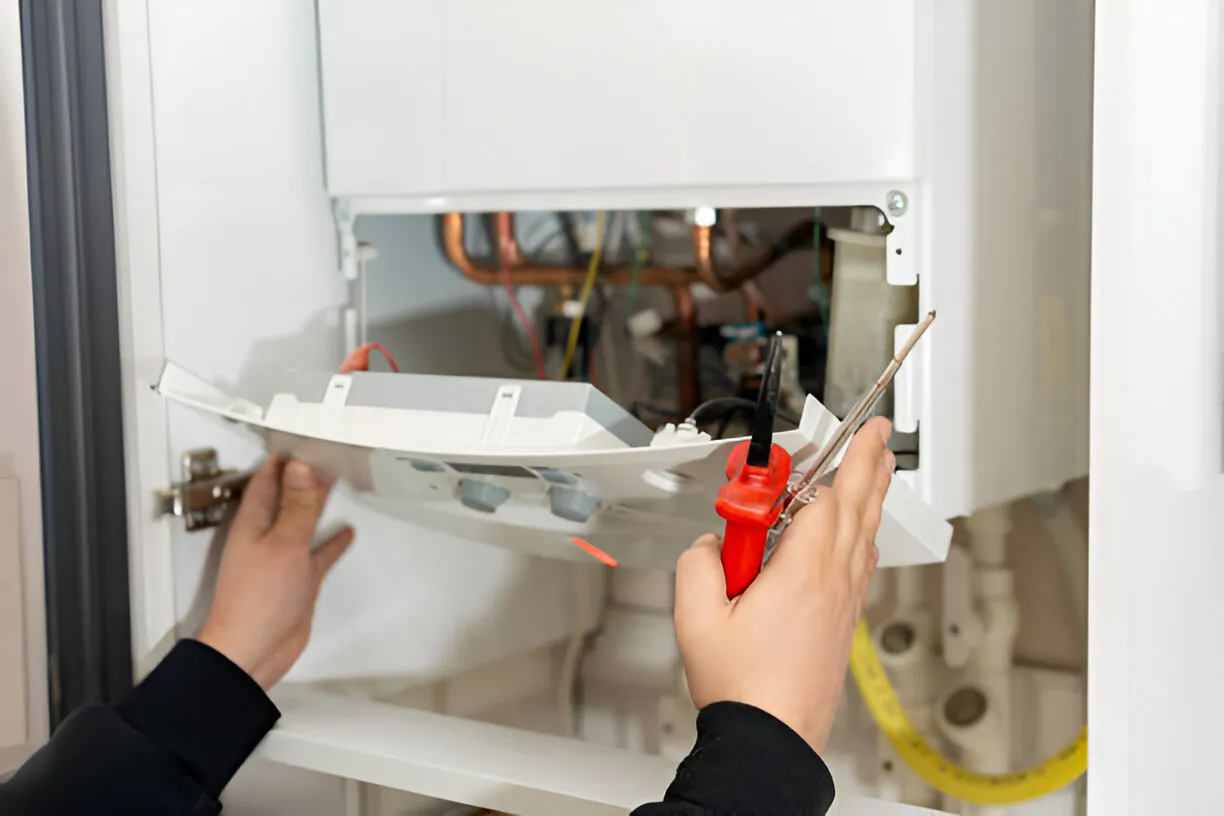
Why proper furnace installation matters in Longmont, CO
- Longmont winters are cold and often require sustained heating for months. Undersized systems struggle to maintain comfort and run constantly, increasing wear and energy use.
- Elevation matters. At roughly 5,000 feet above sea level, combustion and venting characteristics change. Furnaces may need high altitude adjustments or specific venting strategies to operate safely and efficiently.
- Local climate and seasonal dust can affect airflow and filtration needs. Proper duct sealing and filtration reduce drafts, heat loss, and indoor air quality problems.
- Correct installation preserves manufacturer warranties, meets local code requirements, and reduces the risk of carbon monoxide or combustion problems.
Common furnace installation scenarios in Longmont homes
- Replacement of an aging natural gas furnace with a higher efficiency unit (AFUE upgrade).
- Converting from electric to gas, or installing a dual fuel system with a heat pump for shoulder seasons.
- New construction or attic/basement installations to serve added living space.
- Upgrading to a variable speed furnace for better comfort and lower utility bills.
- Replacing a furnace after frequent repairs or failure to pass safety checks.
Initial consultation: what we review at your home
- Home size, layout, insulation, window orientation, and occupancy patterns to understand heating needs.
- Existing heating equipment, fuel type, and condition of the current flue, venting, and gas supply.
- Ductwork layout, age, access points, and visible leaks or insulation deficits.
- Thermostat type and control preferences, including zoning needs.
- Any site constraints such as limited access, exterior vent locations, or multi-level distribution challenges.This in-person assessment ensures recommendations are tailored to your Longmont home and local conditions.
Load calculation and proper sizing
Proper sizing is critical. We use industry-standard load calculations (Manual J) and equipment selection guidelines (Manual S) to determine the right furnace capacity. Important reasons:
- Oversized furnaces cycle on and off frequently, reducing comfort, increasing wear, and raising utility bills.
- Undersized furnaces run continuously and may never reach set temperatures during Longmont cold snaps.
- Load calculations consider insulation, window efficiency, sun exposure, and occupant behavior to select equipment that hits a balance between capacity and efficiency.
Ductwork assessment and modifications
A thorough duct inspection prevents wasted heat and poor airflow:
- Check for leaks, disconnected joints, crushed or undersized runs, and inadequate insulation in unconditioned spaces.
- Measure static pressure and airflow to confirm the new furnace will operate within manufacturer specifications.
- Recommend duct sealing, insulation upgrades, returns and supply balancing, or adding zoning dampers for improved comfort control.
- If duct replacement or major modifications are needed, we outline options that align with energy codes and performance goals.
Professional installation steps
Furnace installation follows a consistent, code-compliant sequence:
- Obtain required permits and schedule inspections per local Longmont building requirements.
- Prepare the installation space, including temporary protection for floors and finishes.
- Remove old equipment safely, disconnecting gas, electrical, and venting per safety protocols.
- Install new furnace on proper supports or platform, connect venting and combustion air per manufacturer and local code.
- Connect gas piping with proper sizing and leak testing, and complete electrical hook up to the service panel and thermostat.
- Integrate condensate drain if installing a high-efficiency unit.
- Configure controls, safety switches, and, if applicable, zoning systems or communicating thermostats.
- Seal and insulate ducts and perform final mechanical fastening and labeling.
Safety, code compliance, and high-altitude considerations
Safety checks and compliance are non-negotiable:
- All installations follow manufacturer instructions and local building and fuel codes to ensure safe combustion, venting, and clearances.
- Combustion safety testing includes gas leak checks, gas pressure verification, and carbon monoxide assessment.
- High altitude adjustments: technicians account for lower air density and adjust gas valves, or install manufacturer-recommended kits so burners operate efficiently and safely at Longmont elevations.
- Permits and inspections by local authorities verify compliance and help protect your warranty and resale value.
Commissioning and testing
Before turning the system over for regular use, full commissioning confirms performance:
- Measure burn rates, flue temperatures, and vent draft to verify correct combustion.
- Test airflow, static pressure, and temperature rise across the heat exchanger to match manufacturer specs.
- Verify thermostat calibration, cycle operation, and any zoning sequences.
- Conduct safety shutdown tests and carbon monoxide monitoring.
- Explain operation and maintenance procedures so you understand filters, filter schedules, and emergency responses.
Warranty details and documentation
- Manufacturer warranties typically cover parts and heat exchangers for specified periods; labor warranties vary and may be offered separately.
- Proper registration of equipment often preserves extended warranty benefits; installation documentation and permit records are retained for warranty and resale needs.
- Keep a copy of the installation report, serial numbers, and startup readings for future service or warranty claims.
Post-installation support and maintenance
- Routine maintenance preserves efficiency and extends lifespan. Recommended seasonal checks include filter changes, burner cleaning, combustion testing, and airflow verification.
- Filters: in Longmont consider MERV ratings that balance filtration with airflow. Replace or clean filters per manufacturer guidance and household needs.
- Monitor exterior vents in winter for snow or debris that can block combustion air, especially after heavy snow or drifting.
- Keep records of service visits, and schedule annual tune ups before the heating season for peak reliability.
Final benefits of a professional furnace installation in Longmont
A professionally installed, properly sized furnace provides:
- Consistent indoor comfort despite long winters and high-elevation conditions.
- Improved energy efficiency and lower heating costs with right-sized, high-efficiency models.
- Safer operation with combustion and venting systems tailored to elevation and local codes.
- Peace of mind from documented permits, testing, and warranty protection.By following a structured process from consultation to commissioning and ongoing maintenance, Longmont homeowners get a furnace system designed to perform reliably and efficiently for years.
Promotions
Save on seasonal system checks from a local team that treats your home like our own.

Testimonials
Neighbors trust Quality Heating & Air for honest work and fair pricing.