Furnace Service in Longmont, CO
Furnace Service in Longmont, CO
A reliable furnace is essential for Longmont homes where cold, high-altitude winters and wide temperature swings demand consistent, efficient heating. Our furnace service in Longmont, CO covers repairs, installations, preventative maintenance, service agreements, and emergency response so your system performs safely and efficiently throughout the heating season. Below you will find clear explanations of common problems, what a technician inspects and repairs, the benefits of regular maintenance, and how routine or urgent service visits typically proceed.
Why Longmont homes need professional furnace service
Longmont sits at elevation with long, cold winters and periodic heavy snow. These conditions increase run-times and stress on heating systems. In addition, dry air and seasonal wildfires can affect indoor air quality and filtration needs. Proper furnace service in Longmont reduces energy use, prevents mid-winter breakdowns, and extends equipment life—important considerations when temperatures can drop precipitously and heating demand is high.
Common furnace issues in Longmont
Homeowners frequently call for the same set of symptoms. Knowing these helps you describe problems accurately when arranging service.
- Uneven heating or rooms that stay cold even when the furnace runs
- Frequent cycling on and off (short-cycling), which raises energy use and wear
- Weak airflow from vents or lower than normal heat output
- Strange noises: rattles, bangs, or persistent humming
- Frequent pilot or ignition failures, common in older units
- Fouled or clogged filters and poor indoor air quality after wildfire season
- Rising utility bills without a corresponding change in thermostat settings
These problems can be caused by dirty filters, failing blowers, worn ignition components, duct losses, improper thermostat calibration, or failing heat exchangers. A certified technician diagnoses root causes rather than addressing symptoms alone.
Types of furnace services offered
We provide a full range of furnace services tailored for Longmont homes and the local climate.
- Diagnostic repair and component replacement for gas, electric, and hybrid systems
- Complete furnace installation and replacement with right-sized equipment
- Seasonal preventative maintenance and tune-ups
- Service agreements with scheduled inspections, priority response, and discounts on parts
- Emergency furnace repair for after-hours failures during cold spells
- Indoor air quality checks and filter upgrades for wildfire seasons and dusty spring months
What a furnace inspection and repair visit includes
A professional visit follows a consistent, safety-first process. Typical inclusions are:
- Safety and carbon monoxide check, including combustion and venting inspection
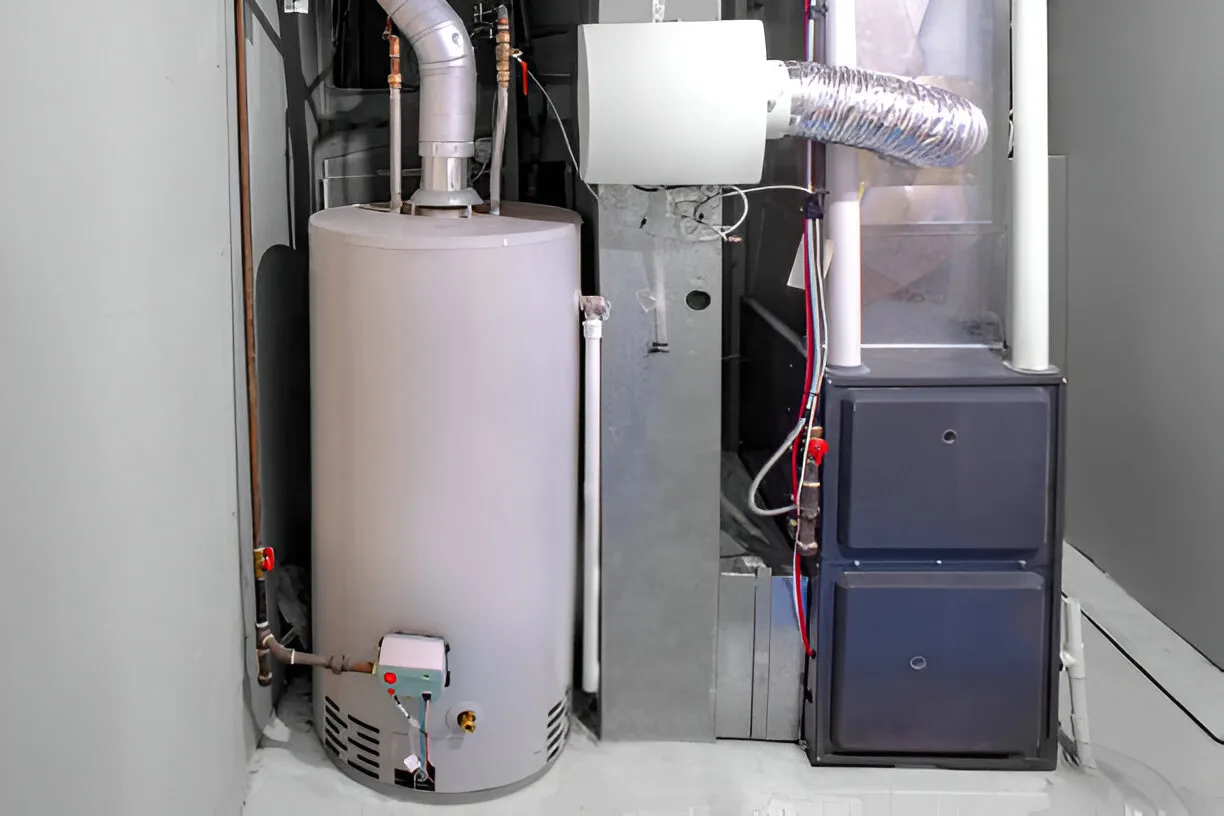
- Visual and functional inspection of the heat exchanger, burners, ignition system, and flame sensor
- Evaluation of blower motor, belts, bearings, and airflow performance
- Thermostat calibration and control system diagnostics
- Filter inspection and replacement recommendations
- Ductwork and vent inspection for leaks, obstructions, and insulation issues
- Performance test under load to verify proper temperature rise and efficiency
Technicians document findings and explain recommended repairs, the impact on system performance, and typical life expectancy of major components.
Furnace installation and replacement considerations
When repair is not cost effective, replacement may be the most reliable option. For Longmont homes, select equipment based on:
- Proper sizing for home heat loss at high elevation
- Efficiency ratings suitable for long heating seasons
- Durable components for heavy duty winter cycles
- Compatibility with existing ductwork or feasibility of duct improvements
- Indoor air quality needs during wildfire events or for allergy sufferers
Installation includes proper venting, combustion safety testing, and startup tuning to ensure the new system meets performance and safety expectations.
Preventative maintenance and service agreements
Regular maintenance is the most effective way to reduce emergency repairs and keep systems efficient.
- Typical tune-up tasks: clean burners, check ignition, lubricate moving parts, tighten electrical connections, inspect heat exchanger, and verify thermostat accuracy
- Seasonal tune-ups increase efficiency, reduce breakdown risk, and can extend equipment life by years
- Service agreements commonly include biannual inspections, priority scheduling during cold snaps, and discounts on repairs and parts
For Longmont, scheduling maintenance ahead of winter and again in spring addresses both heating needs and post-wildfire air quality concerns.
Emergency response and urgent visit process
Furnace failures during a cold snap present safety and comfort risks. Emergency response for Longmont properties typically follows this flow:
- Triage: The dispatcher documents symptoms, system type, and safety concerns
- Priority scheduling: Urgent calls receive expedited arrival windows and guidance for interim safety steps
- On-site emergency diagnostics: Technicians perform rapid safety checks and temporary measures when possible
- Repair or temporary solutions: When parts are required, temporary fixes preserve safety until full repair or replacement is scheduled
Technicians arrive equipped to perform most common repairs and to identify whether a temporary or full replacement is necessary.
Qualifications and certifications
Certified technicians bring both safety and reliability to every service. Typical qualifications include:
- NATE or equivalent certification in HVAC systems
- Manufacturer-specific training for major brands and equipment models
- EPA refrigerant handling certification where applicable
- Ongoing training in combustion safety, energy efficiency, and indoor air quality solutions
Technicians follow local codes and industry best practices to ensure safety, especially regarding gas furnaces and combustion venting.
Benefits of timely furnace service and maintenance tips
Timely professional attention improves comfort, safety, and operating costs.
- Lower energy bills through improved combustion efficiency and airflow
- Reduced risk of cold-weather outages when you need heat most
- Early detection of safety issues such as cracked heat exchangers or venting problems
- Longer equipment life and better resale value for your home
Simple homeowner maintenance tips for Longmont:
- Replace or clean filters regularly, especially during wildfire season
- Keep vents and returns free of furniture and debris to maintain airflow
- Schedule professional tune-ups before winter and after peak heating season
- Install and test carbon monoxide detectors near sleeping areas
Promotions
Save on seasonal system checks from a local team that treats your home like our own.

Testimonials
Neighbors trust Quality Heating & Air for honest work and fair pricing.