Furnace Repair in Longmont, CO
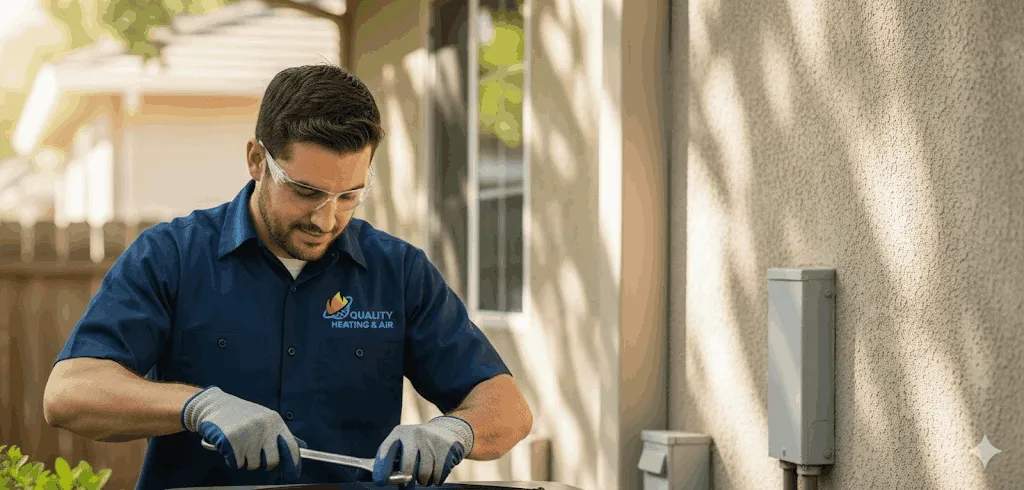
Furnace Repair in Longmont, CO
When your furnace fails in the middle of a Longmont winter, the problem is urgent. Furnaces here face cold, dry conditions, wide day-to-night temperature swings, and higher-altitude combustion factors that make timely, expert furnace repair essential.
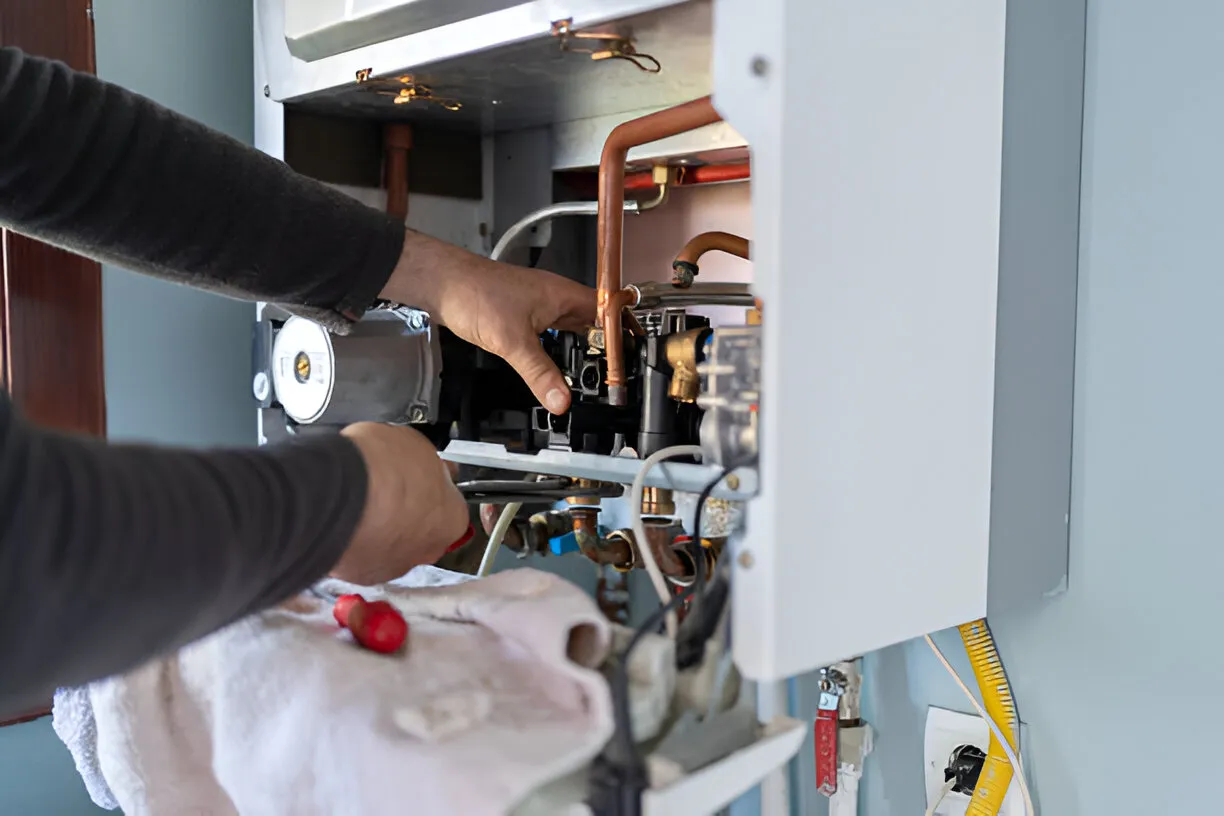
Why prompt furnace repair matters in Longmont, CO
Longmont winters can be harsh and unpredictable. A failing furnace not only reduces comfort but can also cause safety issues (carbon monoxide risk from venting problems) and higher energy bills from inefficient operation. Because higher altitude affects air density and combustion performance, systems in Longmont often need careful tuning and correct venting to maintain safe, efficient operation. Quick diagnosis and repair restores comfort, prevents secondary system damage, and keeps your home safe.
Common furnace issues in Longmont homes
- Ignition and pilot problems: Failed hot surface ignitors, intermittent pilot lights, or flame sensor faults that prevent the furnace from firing.
- Blower motor and airflow failures: Weak or no airflow, noisy blower motors, or short-cycling caused by motor wear, clogged filters, or duct restrictions.
- Thermostat and controls: Incorrect programming, loose wiring, or sensor failures that prevent the furnace from responding to temperature demands.
- Fuel and venting issues: Incomplete combustion, clogged flues, or blocked exhaust pathways—particularly concerning at higher elevation where adjustments may be required.
- Electrical faults and safety switches: Tripped limit switches, bad relays, or faulty control boards that shut down the system.
- Wear-and-tear components: Belts, capacitors, bearings, and burners that degrade over time and require replacement.
Typical diagnostic process
Professional repair technicians follow a systematic diagnostic approach to identify the root cause quickly:
- Initial inspection: Visual and auditory check for obvious issues—leaks, soot, unusual odors, or noise.
- Safety checks: Carbon monoxide screening, gas line and pressure verification, and verification of ventilation and combustion air.
- Electrical testing: Voltage and current checks on motors, relays, and the control board to locate electrical failures.
- Ignition and combustion analysis: Test ignitor/pilot operation and flame quality; measure combustion if needed to confirm safe fuel burn.
- Airflow evaluation: Inspect filters, ducts, and blower performance; measure static pressure if airflow problems persist.
- Thermostat and control verification: Confirm correct temperature sensing and signal transfer between thermostat and furnace.
A proper diagnosis reduces unnecessary parts replacement and ensures long-term reliability.
Common repairs and solutions explained
- Ignitor or flame sensor replacement: Ignitors and flame sensors wear out with repeated heating cycles. Replacement restores reliable ignition and prevents frequent lockouts.
- Blower motor repair or replacement: Motors with failing bearings or worn capacitors may be repaired or replaced. Cleaning the blower wheel and tightening mounts often resolves vibration and noise.
- Thermostat recalibration or replacement: Modern smart thermostats and aging mechanical controls can be recalibrated or replaced for more accurate control and improved efficiency.
- Duct and filter corrections: Replacing clogged filters, sealing leaks, and removing obstructions restore proper airflow and prevent overheating and short-cycling.
- Vent and combustion adjustments: Clearing blocked flues, ensuring proper vent cap installation, and adjusting fuel-air mix for high-altitude combustion improve efficiency and safety.
- Control board and safety switch service: Repairing or replacing faulty control boards and switches ensures safe operation and reestablishes system protections.
Emergency response and expected timelines
Furnace failures that create safety risks or leave your home without heat require rapid attention. Professional services typically offer 24/7 emergency response for situations involving no heat, suspected gas leaks, or carbon monoxide alarms. Many repairs—such as filter replacement, thermostat fixes, or ignitor swaps—are often completed the same day. More complex repairs that require special parts or combustion tuning for high-altitude performance may take 24 to 48 hours depending on part availability.
Technicians usually provide a clear timeline after diagnosis and will explain any factors that could extend repair time, such as obsolete parts for older systems or required permits for gas-related work.
Parts, warranties, and quality assurances
Using OEM replacement parts preserves manufacturer warranty compliance and maintains system efficiency and longevity. When OEM parts are not available, high-quality aftermarket components that meet manufacturer specifications are an alternative. Reliable furnace repair includes:
- Clear documentation of replaced parts and work performed
- Information about remaining manufacturer warranties and how the repair affects them
- A workmanship warranty on labor for a defined period
Confirming part origin and warranty details before repair helps avoid surprises and protects your investment.
How to prevent future breakdowns in Longmont
- Replace filters regularly (monthly during heavy use) to reduce stress on the blower and heat exchanger.
- Schedule annual furnace tune-ups before the heating season to inspect combustion, seals, and safety controls—especially important at higher elevations.
- Keep vents, flues, and outdoor intake areas clear of snow, debris, and bird nests that can block airflow.
- Install a programmable or smart thermostat to reduce cycling and wear while maintaining comfort.
- Watch for early warning signs: unusual noises, cycling on and off, increased gas odor, or rising energy bills. Addressing small issues early avoids emergency repairs.
Final notes on value and safety
Professional furnace repair in Longmont, CO balances safety, efficiency, and longevity. Proper diagnosis, use of appropriate parts, attention to high-altitude combustion and venting, and routine preventive care all reduce total lifecycle costs and improve home comfort. When you need service, expect a methodical inspection, transparent explanations of findings, and recommendations that prioritize safety and long-term system performance.
Promotions
Save on seasonal system checks from a local team that treats your home like our own.

Testimonials
Neighbors trust Quality Heating & Air for honest work and fair pricing.