In Depth Guide to Gas vs Electric Water Heater Which Is Better
## Is a Gas or Electric Water Heater Better for Your Home?
When it comes to gas vs electric water heater which is better, there's no single right answer — it depends on your home's setup, your household's hot water demand, and your local utility rates. Here's a quick breakdown to help you decide:
| Factor | Gas Water Heater | Electric Water Heater | | --- | --- | --- | | Upfront cost | Higher | Lower | | Monthly operating cost | Lower in most regions | Higher (unless heat pump) | | Energy efficiency | 60–70% (up to 80% high-efficiency) | 90–95% (standard); 300–400% (heat pump) | | Recovery rate | 30–50 gal/hr | 14–25 gal/hr | | Lifespan | 8–12 years | 10–15 years | | Works during power outage | Yes (pilot light models) | No | | Installation complexity | Requires gas line + venting | Requires 240V circuit | | Best for | Large households, existing gas service | Smaller households, no gas line |
Water heating accounts for roughly 18% of a home's total energy use — making it one of the biggest drivers of your monthly utility bill. That means choosing between a gas and electric model isn't just a comfort decision. It's a financial one that plays out every single month for the next decade or more.
If you're a homeowner in Thornton or the surrounding Denver metro area, the right choice often comes down to what's already in your home and how much hot water your family actually uses. A large household with back-to-back showers every morning has very different needs than a retired couple with predictable, modest usage.
For a deeper look at what goes into selecting the right unit, check out our guide on How to Choose the Right Water Heater.
Core Operational Differences: Gas vs Electric Water Heater Which Is Better
At their core, gas and electric water heaters accomplish the exact same goal—delivering hot water to your taps—but they go about it in fundamentally different ways. The heart of the debate over gas vs electric water heater which is better lies in how they generate heat and the physical infrastructure they require to operate safely in your home.
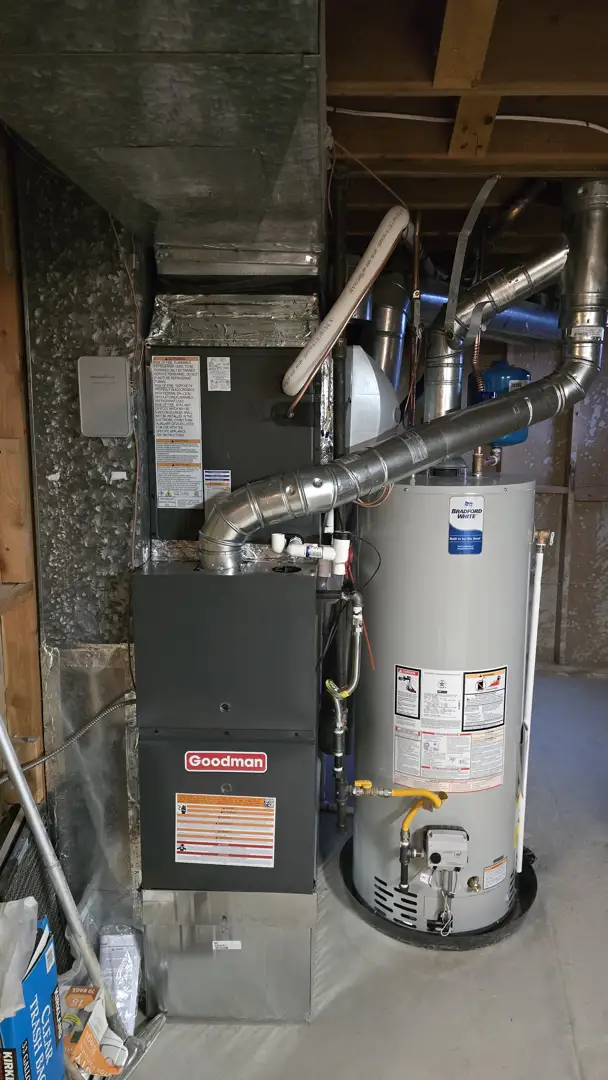
A gas water heater relies on combustion. It burns natural gas or propane in a burner chamber located at the bottom of the tank. The hot exhaust gases from this combustion rise through a central flue inside the tank, transferring heat to the surrounding water before exiting your home through a dedicated venting system. This setup requires direct access to a gas supply line and a safe path to vent exhaust fumes outdoors.
An electric water heater, on the other hand, uses electrical resistance. It features insulated metal heating elements that plunge directly into the water inside the tank. When your home's thermostat calls for heat, electricity flows through these elements, warming the water like a giant electric kettle. Because there is no combustion, electric models do not require venting or gas lines, but they do require a dedicated high-voltage electrical circuit. If you are leaning toward an electric system, exploring the Best Electric Water Heater options can help you find a highly reliable model for your home.
Heating Mechanisms and Infrastructure Requirements
The infrastructure already present in your home is often the loudest voice in this decision. A gas water heater is a combustion-based appliance. This means it absolutely must have a continuous supply of fuel and a highly secure venting system to safely carry carbon monoxide and other combustion byproducts out of your living space. Depending on the design, this might involve a standard atmospheric chimney vent or a power-vent pipe that exits through an exterior wall.
Standard electric units eliminate the need for combustion entirely, removing venting and fuel lines from the equation. However, they are power-hungry appliances. A typical electric tank water heater requires a dedicated 240-volt, 30-amp electrical circuit. If your home's electrical panel is already near capacity, adding a standard electric water heater—or upgrading to an electric tankless model—might require a costly panel upgrade.
Ignoring these infrastructure needs can lead to performance drops or safety hazards. If your existing system is struggling, our Water Heater Problems Thornton Guide offers practical troubleshooting tips to help you identify whether a simple repair or a full system replacement is necessary.
Recovery Rates and Hot Water Delivery
If you have ever been the unfortunate soul stuck taking a lukewarm shower because someone else ran the washing machine, you already understand the importance of recovery rates. The recovery rate is the amount of water a heater can raise by 90 degrees Fahrenheit in one hour.
This is where gas units hold a significant advantage:
- Gas Water Heaters: Typically recover at a rate of 30 to 50 gallons per hour. - Standard Electric Heaters: Generally recover at a slower rate of 14 to 25 gallons per hour.
For large households with high peak demands—such as multiple back-to-back morning showers—gas water heaters are often the preferred choice because they replenish the hot water supply much faster. This performance metric is closely tied to the unit's First Hour Rating (FHR), which measures the combination of the tank's storage capacity and its recovery speed.
For local context on how these systems perform in our Colorado climate, you can read our Water Heaters Broomfield Co Guide 2026 to see how regional temperature swings impact daily hot water delivery.
Efficiency, Lifespan, and Environmental Impact
When evaluating gas vs electric water heater which is better for the long haul, you have to look beyond the initial installation. The way your water heater uses energy, how long it survives, and its overall impact on the environment are crucial factors in determining its true value.
Comparing Standard Gas vs Electric Water Heater Which Is Better for Long-Term Efficiency
On paper, standard electric resistance water heaters are incredibly efficient, converting roughly 90% to 95% of the electricity they consume directly into heat. Gas models, by comparison, typically hover between 60% and 70% efficiency (though high-efficiency condensing units can reach 80% or higher). This is because gas units lose a portion of their heat through the venting process as exhaust gases escape.
However, high efficiency on paper does not always equal lower monthly utility bills. Because natural gas is often significantly cheaper per unit of energy than electricity in many regions, a less-efficient gas water heater can still be cheaper to run month-to-month than a highly efficient standard electric model.
Additionally, tank-style heaters suffer from standby heat loss—energy wasted keeping a large tank of water hot even when nobody is using it. Electric models generally have better insulation and lower standby losses than gas models because they do not have a central flue pipe acting as a pathway for heat to escape. To see how these efficiency factors play out in nearby communities, check out our Water Heaters Longmont Co Guide.
Lifespan and Maintenance Requirements
No matter which fuel type you choose, Colorado's water quality can take a toll on your system. Standard electric water heaters typically outlast their gas counterparts:
- Electric Tanks: Typically last 10 to 15 years. - Gas Tanks: Generally last 8 to 12 years.
This lifespan gap exists because gas burners subject the bottom of the tank to intense direct flame and thermal stress, accelerating wear and tear over time.
To maximize the life of either system, regular maintenance is essential. This includes inspecting the sacrificial anode rod—which attracts corrosive elements in the water to protect the steel tank—and performing regular sediment flushes. Hard water minerals can settle at the bottom of the tank, creating an insulating barrier that forces the heater to work harder and fail prematurely. For step-by-step guidance on keeping your system running smoothly, consult our Water Heater Maintenance Guide Clayton Co.
Comparing Advanced Technologies: Tankless and Heat Pump Hybrid Models
If you want to move beyond traditional tank-style units, modern technology offers two incredibly efficient alternatives: tankless water heaters and heat pump (hybrid) water heaters. Both options can drastically alter the math behind the gas vs electric water heater which is better debate.
To understand how these advanced options stack up against traditional storage tanks, look at the comparison below:
| Feature | Traditional Storage Tank | Tankless (On-Demand) | Heat Pump (Hybrid) | | --- | --- | --- | --- | | Primary Fuel Source | Gas or Electric | Gas or Electric | Electric (with ambient air heat) | | Hot Water Supply | Limited to tank capacity | Endless | Limited to tank capacity | | Standby Heat Loss | Yes | None | Minimal | | Typical Lifespan | 8–15 years | 20+ years | 10–15 years | | Space Required | High (large footprint) | Extremely low (wall-mounted) | High (needs airflow clearance) |
If you are trying to decide between a classic tank and a modern on-demand system, we break down the pros and cons in our Tankless vs Tank Water Heater Comparison.
Deciding if a Gas vs Electric Water Heater Which Is Better for High-Demand Homes
Tankless water heaters heat water instantly as it flows through the unit, completely eliminating standby heat loss. For high-demand homes, a gas tankless water heater is often the ultimate solution. Because gas burners can generate an immense amount of heat instantly, gas tankless units can easily handle multiple hot water taps running simultaneously.
Electric tankless units exist, but they require a massive amount of electrical power—often demanding multiple dedicated double-pole breakers—which makes them less practical as whole-home solutions in older properties. With proper care, a quality tankless system can last more than two decades. To learn more about how long these advanced systems remain in service, check out our Tankless Water Heaters Lifespan Guide 2026.
Heat Pump (Hybrid) Efficiency and 2026 Incentives
Heat pump water heaters, also known as hybrid water heaters, represent a massive leap forward in electric water heating technology. Instead of generating heat directly through electrical resistance, they act like a refrigerator in reverse—pulling heat from the surrounding air and transferring it into the water tank. This process makes them two to four times more energy-efficient than standard electric water heaters.
As of June 2026, the federal landscape has shifted. The popular federal Section 25C tax credit, which previously provided substantial savings for qualifying heat pump water heaters, expired on December 31, 2025. However, Colorado homeowners still have access to excellent state-level incentives, local utility rebates, and programs designed to encourage the transition to high-efficiency electric appliances. For more information on navigating these regional programs and finding energy-saving options, check out our Water Heaters Commerce City Co Guide.
Installation Feasibility and Fuel Switching Considerations
Before falling in love with a specific water heater model, you have to consider the physical reality of installing it. Swapping like-for-like (gas to gas, or electric to electric) is usually straightforward, but switching fuel types introduces several logistical hurdles.
Furthermore, you must ensure all local building regulations are followed. For Colorado residents, understanding regional compliance is key; read our guide on Do I Need a Permit for Water Heater Replacement in Colorado to make sure your installation is fully legal and up to code.
Challenges of Switching Fuel Types
Switching from gas to electric, or vice versa, is entirely possible, but it requires careful planning:
- Switching from Gas to Electric: You must safely cap off and seal the existing gas line, close up the old venting system, and run a new high-voltage 240V electrical line from your main service panel to the water heater location. If your electrical panel is already full, you may need a panel upgrade to handle the new load. - Switching from Electric to Gas: This requires running a new gas line to the utility closet and installing a compliant venting system through your roof or exterior wall.
Because these tasks involve working with high-voltage electricity and volatile gas lines, they must be handled by a licensed professional. If you are planning a transition in the Clayton area, working with a Licensed Water Heater Contractor in Clayton Co ensures your system is converted safely and efficiently.
Safety, Power Outages, and Household Needs
Safety and emergency preparedness are critical when choosing a water heater. Gas units carry small, inherent risks of gas leaks or carbon monoxide exposure if they are improperly installed or poorly maintained. However, modern gas units are built with excellent safety shut-off features to prevent these issues.
A major benefit of traditional gas water heaters with standing pilot lights is their ability to function during a power outage. Because they do not rely on household electricity to operate, you can still enjoy hot showers when the power goes out. Modern power-vented gas models and all electric models, however, require electricity to run and will shut down during a blackout.
If your current system is acting up or refusing to start, our Northglenn Water Heater Troubleshooting Guide can help you determine if the problem is a simple fix or a sign that it is time for a replacement.
Frequently Asked Questions about Water Heaters
Is a gas or electric water heater cheaper to run in 2026?
In most parts of Colorado, natural gas remains cheaper than electricity per unit of energy, making standard gas tank water heaters cheaper to operate month-to-month than standard electric resistance tanks. However, modern heat pump (hybrid) water heaters have completely changed this dynamic. Because they are so incredibly efficient, a heat pump water heater can easily match or beat the monthly operating costs of a gas water heater, even in areas with higher electricity rates.
To explore replacement options and see how regional utility factors influence your decision, check out our Water Heater Replacement Longmont Guide.
Which water heater type lasts longer?
Electric tank-style water heaters generally last longer than gas tank models, typically averaging 10 to 15 years compared to the 8 to 12 years expected from gas units. This is because electric resistance elements distribute heat more evenly, whereas gas burners subject the bottom of the tank to intense direct heat, leading to faster metal fatigue and accelerated sediment baking.
If you want to learn more about the common wear points that affect storage tanks, read our Water Heater Problems Henderson Co Guide.
Can I install a heat pump water heater in a cold garage?
Yes, but with some caveats. Heat pump water heaters need a consistent source of warm air to operate at peak efficiency. If the ambient temperature in your garage drops below 40 degrees Fahrenheit during our cold Colorado winters, the unit will temporarily switch over to standard electric resistance backup mode to keep heating your water. While this keeps your water hot, it does temporarily reduce the unit's efficiency.
Additionally, these units require adequate airflow—usually around 700 to 1,000 cubic feet of space—to function properly. If you are experiencing issues with a cold-weather installation, our Water Heater Repair in Lochbuie Co resources can help guide you toward a solution.
Conclusion
Choosing between a gas and an electric water heater is a highly personal decision that shapes your home's comfort, monthly utility bills, and long-term energy footprint. While gas heaters excel at rapid recovery and handling high demand, standard electric units offer simpler installations and longer lifespans. Meanwhile, advanced options like tankless and hybrid heat pump systems provide incredible efficiency for forward-thinking homeowners.
At Quality Heating and Air, we treat every home in Thornton, Northglenn, and the Denver metro area like our own. Our experienced team is here to help you navigate your options, evaluate your home's existing infrastructure, and install a reliable system that fits your budget and lifestyle perfectly.
Ready to upgrade your home comfort? Schedule a consultation with Quality Heating and Air today, and let us help you find the perfect water heater for your family!

Testimonials
Neighbors trust Quality Heating & Air for honest work and fair pricing.
Service Areas