
Furnace Tune Up in Superior, CO
Furnace Tune Up in Superior, CO
A professional furnace tune up in Superior, CO keeps your home safe, reliable, and energy efficient through the Front Range winter. With cold, snowy winters, high-altitude combustion effects, and seasonal air-quality challenges from spring pollen and occasional wildfire smoke, Superior homes place unique demands on heating systems. A thorough tune up addresses those stresses before they become emergency breakdowns, reducing repair risk while improving comfort and operational cost.
Why a tune up matters for Superior homes
- Superior’s colder months and frequent temperature swings force furnaces to run longer and cycle more often. That increases wear on burners, blowers, and ignition components.
- Higher elevation can change combustion performance; small adjustments during a tune up help maintain safe, complete fuel burn.
- Seasonal particulates—pollen in spring and smoke in late summer/fall—load filters and indoor components faster than in lower-elevation climates.A reliable annual tune up helps avoid mid-winter failures, reduces heating bills, and protects indoor air quality.
Common furnace problems in Superior, CO
- Hard starting or ignition failure after long off-season downtime
- Reduced heat output or uneven heating caused by dirty burners, clogged filters, or failing blowers
- Increased cycling or short-cycling from improper thermostat calibration or airflow restrictions
- Fuel combustion issues or carbon monoxide risk tied to a cracked heat exchanger or poor venting
- Noisy operation from worn blower motors, belts, or loose panelsIdentifying these issues during a tune up prevents small problems from escalating into costly emergency repairs.
What a comprehensive Furnace Tune Up includes
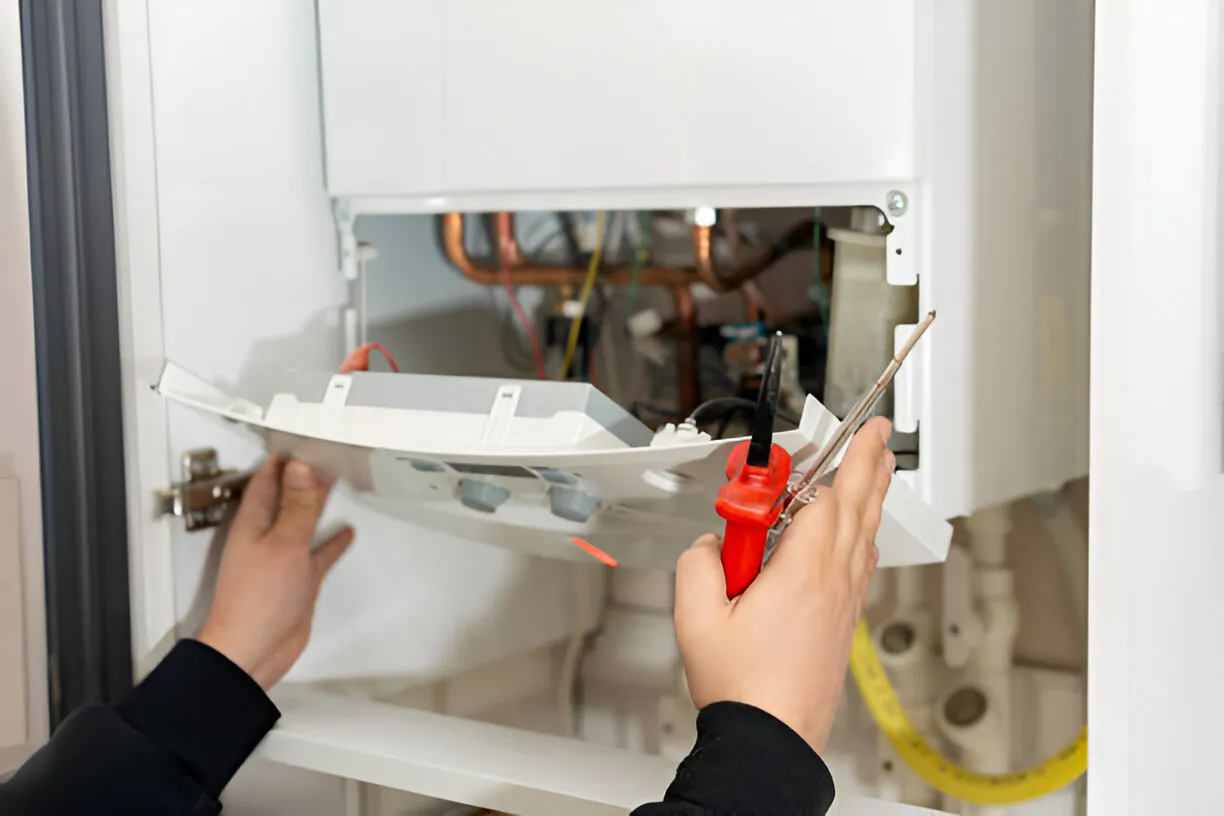
A complete furnace tune up inspects, cleans, tests, and documents system condition. Core tasks are:
- Visual and operational inspection of furnace cabinet, access panels, and surrounding area for clearance and hazards
- Burner and combustion cleaning to remove soot and deposits that reduce efficiency
- Heat exchanger inspection for cracks, corrosion, or signs of spillage (critical for safety)
- Ignition system check (pilot, hot surface ignitor or electronic ignition) and cleaning or adjustment as needed
- Blower assembly cleaning and inspection, including motor, wheel, belts, and bearings to restore airflow and reduce noise
- Filter inspection and replacement guidance; confirmation of correct filter type and fit
- Venting and flue inspection to ensure proper draft and clear exhaust pathways
- Thermostat calibration and verification of proper cycling and setpoint response
- Electrical and safety control checks, tightening connections and testing limit switches and safety interlocks
- Combustion and performance testing (where applicable) to confirm proper fuel pressure, flame quality, and efficiency indicators
Performance and safety testing
Safety and performance tests are central to a tune up:
- Carbon monoxide (CO) checks to detect dangerous levels or evidence of incomplete combustion
- Flame analysis and combustion efficiency checks when equipment supports them, ensuring correct air-to-fuel ratios
- Draft and spillage testing at the heat exchanger and flue to confirm safe exhaust flow
- Operational run test under load to verify steady temperature rise, cycle times, and stable operationResults identify immediate safety concerns and help prioritize repairs by urgency.
Filter and component checks, plus repair recommendations
During the tune up, every wear item and performance limiter is evaluated:
- Filters: recommend the correct MERV or pleated filter for your home and schedule (most homes in Superior benefit from more frequent filtering during pollen and smoke seasons)
- Electrical components: capacitors, relays, and wiring that show wear are flagged for replacement before failure
- Blower motors and belts: measured for amperage draw and vibration; repair or replacement is suggested when performance drops
- Heat exchanger issues: any sign of cracking or severe corrosion triggers strong replacement recommendations because of the safety implicationsWhen repairs are recommended, they’re prioritized: immediate safety items first, efficiency improvements next, and comfort-related fixes after.
Expected duration and cost considerations
- Duration: Most standard residential furnace tune ups in single-family homes are completed in about 60 to 90 minutes. Complex systems, multi-stage equipment, or extensive cleaning can extend the service time.
- Cost factors: Actual cost depends on system type, age, accessibility, and any repairs or parts required. Factors that influence cost include the need for combustion testing, parts replacement, and whether the system requires extensive cleaning. Because Superior homes vary from newer developments to older houses, time and parts needs differ by property.Providing a clear, written estimate after the initial inspection helps set expectations while avoiding surprise expenses.
Seasonal scheduling tips for Superior homeowners
- Schedule tune ups in late summer or early fall, before the heating season demand begins; this timing helps ensure priority appointments ahead of peak fall service.
- If your home experiences heavy spring pollen or late-summer smoke, consider scheduling a mid-season filter and visual check to keep airflow optimal.
- For newly purchased homes, run a tune up before or immediately after closing to identify hidden issues and ensure safe operation.
- If you have a history of pilot or ignition trouble, or your furnace frequently cycles during mild weather, move the tune up earlier to prevent off-season deterioration.
Efficiency and reliability benefits of regular tune-ups
- Improved fuel efficiency and lower monthly heating usage through cleaner burners and properly adjusted combustion
- Fewer emergency repairs and reduced likelihood of mid-winter breakdowns
- Longer equipment life by addressing wear items before they cause larger failures
- Better indoor comfort with more consistent temperatures and airflow
- Enhanced safety through routine CO checks and heat exchanger inspection
Homeowner maintenance checklist between tune ups
- Replace or clean filters every 1–3 months depending on occupancy, pets, and pollen/smoke levels
- Keep returns and supply vents free from blockages like furniture or curtains
- Maintain clear space around the furnace and vent terminations outdoors (remove snow or debris buildup)
- Test carbon monoxide detectors monthly and replace batteries as recommended
- Note and report any unusual noises, smells, or cycling behavior
Regular, professional furnace tune ups tailored to Superior, CO conditions reduce risk, protect indoor air quality, and keep your system operating efficiently when you need it most. Annual inspections focused on combustion safety, airflow, and component integrity deliver measurable benefits in comfort, safety, and long-term cost control.
Promotions
Save on seasonal system checks from a local team that treats your home like our own.

Testimonials
Neighbors trust Quality Heating & Air for honest work and fair pricing.