
Furnace Installation in Superior, CO
Furnace Installation in Superior, CO
Replacing or installing a furnace is one of the most important decisions for maintaining comfort, safety, and energy efficiency in your Superior, CO home. With colder winters, higher elevation, and occasional heavy snow, a properly sized and installed furnace ensures consistent indoor warmth while minimizing fuel use and carbon monoxide risk.
Why a professional furnace installation matters in Superior, CO
Superior homes face specific heating challenges: thinner air at elevation affects combustion and heat output, homes built across different eras often have inconsistent insulation and ductwork, and seasonal temperature swings demand reliable performance. A professional installation addresses these factors with precise sizing, correct venting and combustion setup, and attention to local code and permitting to ensure safe, efficient operation for years.
Common furnace types and brand options
- High-efficiency condensing gas furnaces (AFUE 90%+) - best for natural gas homes wanting lower fuel bills.
- Non-condensing (mid-efficiency) gas furnaces - simpler design, still reliable in many installs.
- Electric furnaces - used where gas is not available; compatible with whole-home electric systems.
- Hybrid systems and heat pumps - considered where cooling upgrades or electrification goals exist.
- Features to consider: two-stage or modulating gas valves, variable-speed blowers, sealed combustion, and compatibility with smart thermostats.
Typical reputable brands available in the region include Carrier, Trane, Lennox, Rheem, Goodman, and others. Your installer will recommend models based on load calculations, efficiency goals, and budget.
Initial consultation and load calculation
A thorough installation begins with an on-site consultation:
- Home survey: inspection of existing furnace, duct layout, attic and basement access, flue and venting, combustion air sources, and thermostat location.
- Load calculation: a Manual J heat loss/gain calculation determines the exact heating capacity your home needs, accounting for elevation, insulation, window orientation, and air infiltration. Proper sizing prevents short cycling, comfort issues, and premature wear.
- Duct evaluation: a Manual D assessment and airflow checks identify necessary duct upgrades, sealing, or balancing to ensure even distribution.
This phase also discusses fuel type, desired efficiency (AFUE), available space for equipment, and any zoning or IAQ needs.
Permit and code compliance in Superior
Furnace installations in Superior require compliance with local building and mechanical codes. Typical permit considerations:
- Mechanical and gas permits for appliance replacement or new installations.
- Inspection requirements for gas piping, venting, combustion air, and final electrical connections.
- Compliance with Colorado and local code sections for high-efficiency condensing units (condensate disposal) and venting systems at elevation.
A professional installer will pull required permits, schedule inspections with the Town of Superior or appropriate county authorities, and ensure all work meets code before final approval.
Professional installation steps
- Pre-install prep: order equipment sized to Manual J results, confirm delivery and required materials (venting, flue components, gas fittings, electrical).
- Remove old furnace: safe disconnection of gas, electrical, and flue; careful removal to protect surrounding areas.
- Set new unit and connect systems:
- Proper flue or direct vent installation sized for elevation and model specifications.
- Gas line sizing and leak testing per code.
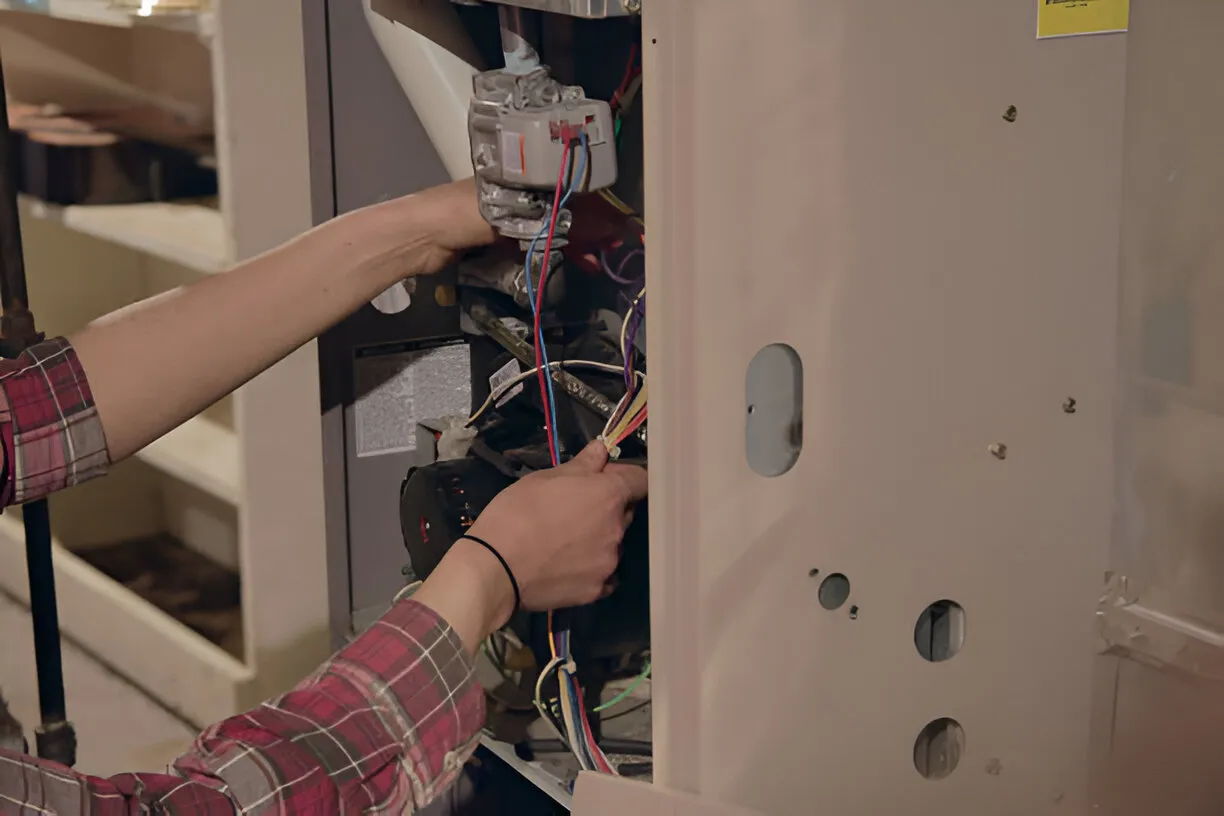
- Electrical hookup and control wiring for thermostat and safety devices.
- Condensate drain installation for high-efficiency units with appropriate neutralization where needed.
- Duct connections and sealing: ensure tight, insulated connections; add transition pieces, returns, or registers as required.
- Safety installations: install carbon monoxide detectors if required by code, check combustion air sources, and verify clearances.
Install teams follow manufacturer installation manuals and local code to protect warranties and ensure safe operation.
Commissioning and system testing
Commissioning confirms the system performs as intended:
- Start-up procedure and burner tuning.
- Temperature rise check across the heat exchanger to verify correct airflow and burner output.
- Combustion analysis and CO testing to ensure safe operation, adjusted for elevation.
- Airflow measurements and balancing across registers.
- Thermostat calibration and verification of staging or modulation features.
- Final leak and vent inspections.
Technicians record test results and confirm the system meets manufacturer and code requirements before releasing it.
Homeowner walkthrough and operational guidance
After commissioning, you will receive a clear walkthrough covering:
- How the system operates (stages, fan modes, thermostat programming).
- Recommended thermostat settings for Superior winters and energy savings.
- Filter type and replacement frequency, with instructions for MERV ratings and proper use.
- Safe operation tips: signs of improper combustion or CO risk, unusual noises, and when to call for service.
- Maintenance schedule: annual tune-up essentials like burner cleaning, heat exchanger inspection, filter changes, and condensate line checks.
This ensures you understand daily operation and long-term care for optimal performance.
Warranty and registration details
Furnace installations include multiple layers of protection:
- Manufacturer warranty on major components (heat exchanger, parts) — terms vary by brand and model.
- Registration: manufacturers often require product registration to activate extended warranty benefits.
- Installer labor warranty: many professional installers provide a workmanship warranty covering installation-related issues for a specified period.
Your installer will explain warranty durations, what is covered, and the registration process so there are no surprises if service is needed.
Expected timelines for Furnace Installation in Superior, CO
- Initial consultation and load calculation: typically completed within 1 to 2 hours; scheduling varies.
- Permit processing: often a few days to two weeks depending on local workload and whether additional documentation is needed.
- Equipment lead time: many common models are stocked locally; specialty units may require longer delivery.
- Installation: most straightforward replacements are completed in a single day (4 to 8 hours). Complex projects that require ductwork upgrades, relocation, or structural work may take 1 to 3 days.
- Final inspection and commissioning: completed the same day as installation when permits and scheduling allow; permit inspections may add a few business days.
From first visit to final sign-off, a typical project in the area normally completes within one to four weeks, depending on permits, equipment availability, and scope.
Ongoing benefits and maintenance advice
A professionally installed, properly sized furnace improves comfort, reduces energy bills, and extends equipment life. For Superior homeowners:
- Schedule an annual heating inspection before winter to optimize performance and safety.
- Replace or clean filters regularly and keep return vents unobstructed.
- Consider duct sealing and added attic insulation to further reduce heat loss.
- Watch for early signs of trouble: increased fuel use, uneven heating, persistent odors, or pilot/burner issues.
A careful installation and simple seasonal maintenance will keep your system running safely and efficiently through Superior’s winters.
This overview gives a clear picture of what to expect during a furnace installation in Superior, CO. The goal is a safe, efficient system sized for your home, installed to code, and handed off with the knowledge you need to operate and maintain it confidently.
Promotions
Save on seasonal system checks from a local team that treats your home like our own.

Testimonials
Neighbors trust Quality Heating & Air for honest work and fair pricing.