Furnace Repair in Superior, CO
Furnace Repair in Superior, CO
A reliable furnace is essential for homes in Superior, CO, where cold Front Range winters and rapid temperature swings can put extra stress on heating systems. When your furnace fails, you need fast, accurate diagnostics and repairs that restore safe, efficient heat without surprises.
Common furnace problems in Superior, CO
Homeowners in Superior see many of the same furnace failures found across the Front Range, often amplified by elevation, seasonal temperature extremes, and dust from construction or dry conditions. Typical issues include:
- No heat or intermittent heat - Could indicate ignition, pilot, gas valve, or control board faults.
- Ignition or pilot failures - Faulty igniters, clogged pilot orifice, or flame sensor corrosion.
- Thermostat malfunctions - Incorrect calibration, dead batteries, or communication failures between thermostat and furnace.
- Blower motor problems - Wear, capacitor failure, or blocked blower wheels causing weak airflow or loud noises.
- Frequent cycling or short-cycling - Often caused by restricted airflow, dirty filters, or a failing heat exchanger.
- Strange smells or combustion odors - Possible fuel leaks or incomplete combustion; requires immediate attention.
- Excessive noise or vibration - Loose mounting, worn bearings, or misaligned components.
- Poor efficiency or rising utility bills - Aging components, clogged filters, or poor combustion tuning.
Recognizing symptoms early helps limit damage and reduce repair costs. In Superior homes, snow and cold snaps increase the risk of freeze-related failures, while elevation can affect combustion characteristics that require proper calibration.
Diagnostic process - step by step
When repairing a furnace we follow a systematic diagnostic workflow to identify root causes clearly and avoid unnecessary parts replacement.
- Safety and preliminary checks - Verify power and gas supply, inspect for visible hazards, and check for error codes or lockouts.
- Visual inspection - Look for rust, corrosion, disconnected wiring, loose panels, and signs of soot or gas leaks.
- Start-up and operational test - Observe ignition sequence, burner operation, and thermostat response.
- Electrical and control testing - Test capacitors, relays, control boards, and sensors with meters to find intermittent faults.
- Combustion analysis - Measure combustion efficiency and CO levels when appropriate to ensure safe burning at local elevation.
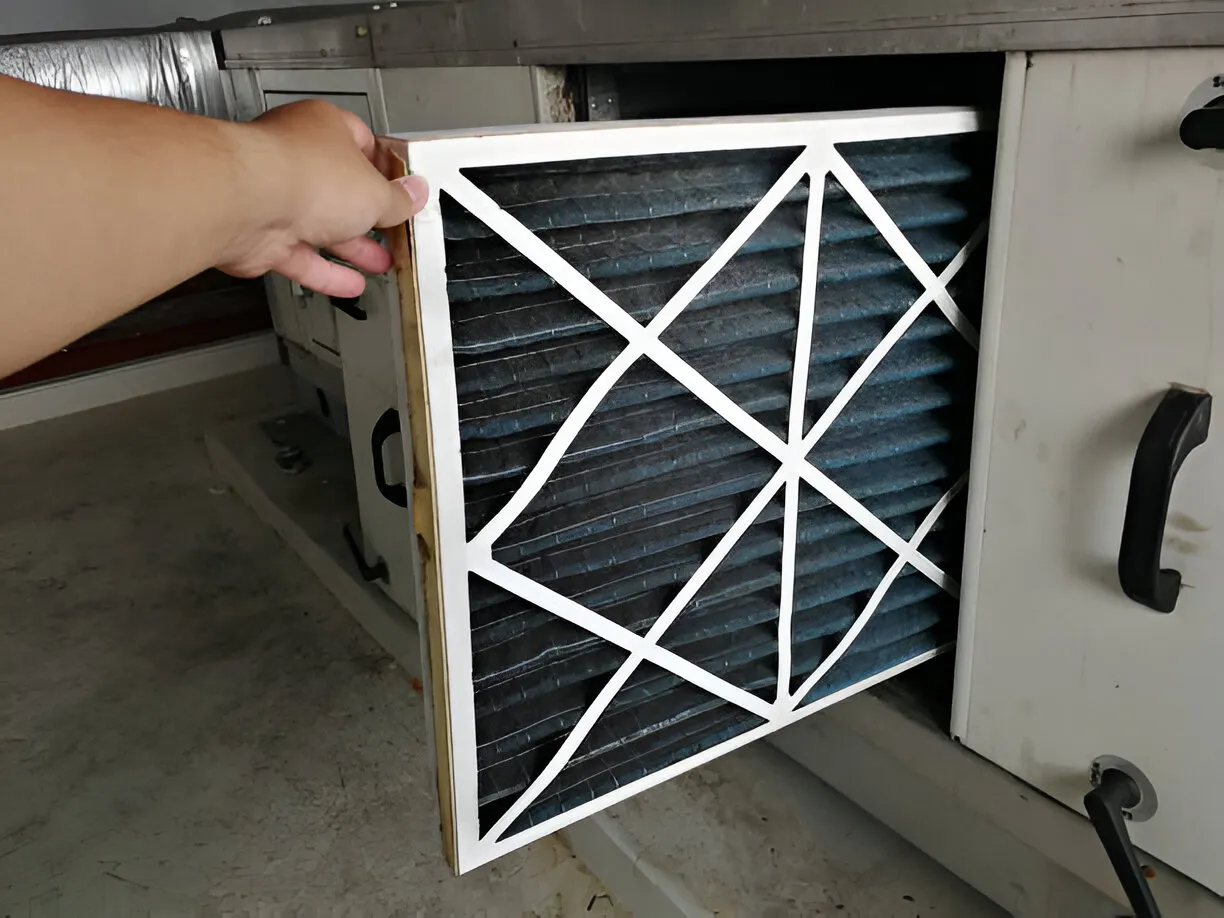
- Airflow and duct assessment - Check blower performance, return and supply vents, and filter condition.
- Detailed estimate and explanation - Provide a written, itemized repair plan that explains options, required parts, and expected labor.
Diagnostics are documented so you understand the problem, the recommended fixes, and the tradeoffs between repair and replacement.
Typical repair solutions and OEM parts
Repairs are matched to the diagnosis to restore safe, efficient operation. Common solutions include:
- Replacing faulty igniters or flame sensors and cleaning burners.
- Repairing or replacing thermostats and recalibrating controls.
- Rebuilding or replacing blower motors, capacitors, and belts.
- Repairing gas valves or control boards when safely possible.
- Sealing or replacing cracked heat exchangers when repair is not safe or effective.
- Cleaning condensate lines and ensuring proper venting.
We prioritize manufacturer OEM or OEM-equivalent parts to maintain efficiency, safety, and warranty compliance. Using approved parts reduces the chance of repeat failures and helps preserve manufacturer warranties. Typical warranty practices include manufacturer parts warranty and a separate labor warranty for the repair work. Where replacement is the best long-term solution, an honest assessment will note expected life expectancy and efficiency gains.
Emergency and after-hours furnace repair in Superior
Loss of heat during winter, carbon monoxide concerns, or gas odor are urgent. Emergency service protocols include:
- Prioritizing safety: advise shutting off gas if you smell it and ventilating per local safety guidance.
- Rapid dispatch: technicians trained to perform temporary safe fixes and prioritized diagnostics during cold snaps.
- Temporary heating solutions: safe interim measures to keep pipes and living spaces protected until full repair is completed.
Emergencies are handled with safety-first procedures and fast on-site triage so you can regain heat quickly and safely.
Technician qualifications and safety standards
Technicians performing furnace repair are NATE-certified and trained in combustion safety, modern control systems, and manufacturer-specific procedures. They maintain continuing education to address new high-efficiency and variable-speed equipment. Technicians follow local code requirements and best practices for gas safety, venting, and carbon monoxide testing to protect your family and home.
Transparent pricing and service guarantees
Transparent pricing means receiving a clear, written estimate before work begins that lists parts, labor, and any warranty terms. Common pricing practices include:
- Detailed diagnostic fee that may be applied to the repair cost if you proceed.
- Itemized parts and labor estimates with explanations for each recommended repair.
- No hidden fees for standard service work; any additional work is approved before proceeding.
- Written labor warranty on repairs and clarification of manufacturer parts warranty coverage.
Service guarantees typically cover workmanship for a stated period. If a repaired component fails within the guarantee window under normal use, technicians return to resolve the issue according to the terms of the guarantee.
How to schedule fast furnace repairs in Superior, CO
To get repairs scheduled quickly, be prepared to provide basic system information and symptom details:
- Furnace make, model, and approximate age if available.
- Clear description of symptoms (no heat, short-cycling, strange noises, odors).
- Any recent changes to the system or home (new thermostat, recent maintenance).
- Availability windows and whether the issue is urgent or an emergency.
Many service providers offer same-day diagnostics, priority scheduling during cold weather, and after-hours dispatch for urgent situations. Having model details and symptom descriptions ready speeds up the intake process and dispatch.
Preventive maintenance and long-term benefits
Regular seasonal tune-ups reduce emergency calls and extend furnace life. Recommended preventive steps include annual heating tune-ups, timely filter changes, keeping vents and returns clear, and installing or testing carbon monoxide detectors. Proper maintenance in Superior helps systems overcome elevation-related combustion differences and reduces energy bills during long heating seasons.
Promotions
Save on seasonal system checks from a local team that treats your home like our own.

Testimonials
Neighbors trust Quality Heating & Air for honest work and fair pricing.