Furnace Service in Superior, CO
Furnace Service in Superior, CO
Keeping your home warm, safe, and energy-efficient during Superior winters requires reliable furnace service tailored to local conditions. Whether you need a fast diagnostic, a repair that restores safe operation, a properly sized replacement, or a preventative maintenance plan, this page explains the services homeowners in Superior, CO can expect, how decisions are made, and why timely action matters.
Why Superior, CO homes need specialized furnace service
Superior sits at elevation with cold winters, occasional heavy snow, and seasonal wildfire smoke that affects indoor air quality. Those factors make these furnace service priorities in local homes:
- Altitude effects: higher elevation affects combustion and venting; burners and gas pressure sometimes need adjustment for safe, efficient operation.
- Frequent temperature swings and long cold stretches increase furnace run-time and accelerate wear on components.
- Dust and wildfire smoke can load filters and heat exchangers faster, reducing efficiency and increasing indoor pollutants.
Understanding these local influences helps homeowners choose services that maximize safety, comfort, and long-term value.
Common furnace problems in Superior, CO
Homeowners deciding whether to repair or replace should know the most frequent issues:
- No heat or intermittent heat: often caused by faulty ignitors, pilot/ignition failures, or control board problems.
- Short cycling: usually due to thermostat issues, clogged filters, or a failing limit switch.
- Weak airflow or uneven heating: caused by blower motor wear, duct leaks, or restrictive filters.
- Strange noises: rattles, squeals, or banging point to belts, bearings, or delayed ignition.
- Rising energy bills: inefficient burners, failing heat exchangers, or aging systems with low AFUE ratings.
- Safety concerns: cracked heat exchangers or carbon monoxide risks from improper combustion or venting.
Diagnostic process: what a professional inspection includes
A thorough diagnostic identifies root causes and yields a clear, written estimate. Typical diagnostic steps:
- System history and symptom interview to confirm operating patterns.
- Visual safety check of venting, cabinet, and combustion area.
- Combustion and CO testing (where applicable) to confirm safe operation.
- Electrical inspection: control board, relays, limit switches, and capacitor checks.
- Airflow assessment: filter condition, blower motor performance, and duct leak indicators.
- Heat exchanger inspection for signs of cracking or corrosion.
- Thermostat and control calibration verification.Diagnostics lead to prioritized repair options or a replacement recommendation when life-safety or cost-effectiveness demands it.
Repair, replacement, and installation explained
Repairs
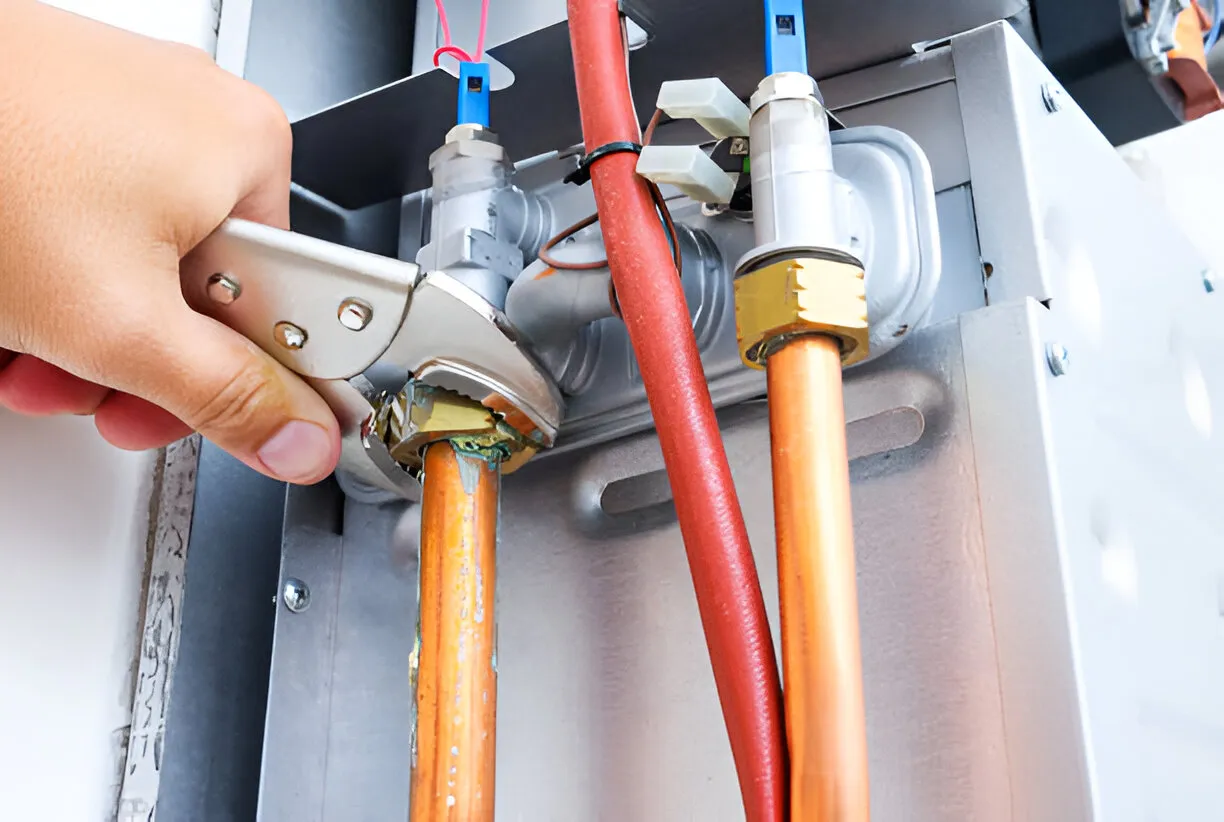
- Repairs focus on restoring safe, reliable operation: ignition systems, blower motors, limit switches, control boards, and gas valves.
- Technicians will explain repair costs versus expected remaining life to help you weigh short-term fixes against replacement.
Replacement and installation
- Proper sizing is critical: a Manual J load calculation ensures the new furnace matches your home’s heat loss and distribution needs.
- Efficiency choices: AFUE ratings and variable-speed blower options affect operating costs in a climate like Superior’s.
- Installation considerations include venting, combustion air, condensate management (for high-efficiency units), ductwork condition, and code compliance.
- Permit coordination and inspection readiness are part of a professional installation scope in most jurisdictions.
Maintenance plans and seasonal tune-ups
Annual fall maintenance is the single best way to extend furnace life and reduce emergency repairs. A typical tune-up includes:
- Safety and combustion testing, including CO checks.
- Heat exchanger and burner inspection and cleaning.
- Blower motor lubrication and belt inspection.
- Filter replacement recommendations and airflow optimization.
- Thermostat calibration and electrical connection tightening.
- Written checklist and prioritized findings so homeowners know what to expect next year.
Maintenance plans often add value with scheduled visits, seasonal reminders, and documented service history—helpful when evaluating a system’s remaining life.
Emergency service and safety practices
No-heat emergencies require fast, competent response—especially on bitter Superior nights. Emergency service generally covers:
- 24/7 rapid response for loss of heat, suspected gas leaks, or CO alarm activations.
- On-site temporary safe measures while repairs or replacements are evaluated.Home safety measures you can take while waiting include checking filters and breakers, confirming the gas supply, and evacuating if a carbon monoxide alarm sounds or a gas smell is present.
Service guarantees, estimates, and transparency
Professional furnace service for decision-stage homeowners should include:
- Clear, written estimates that break down labor, parts, and any required permits.
- Explanations of diagnostic findings and multiple options (repair, phased repairs, or replacement) with pros and cons for each.
- Parts and workmanship warranty terms explained upfront.
- Documentation of recommended next steps, expected timelines, and any replacement equipment specifications.
Estimating factors typically include system age, parts availability, ductwork condition, and energy-efficiency goals.
Technician qualifications and standards
Look for technicians with industry-recognized credentials and local experience:
- NATE certification or equivalent demonstrates competency on modern furnace systems.
- EPA certification for handling fuels and refrigerants where applicable.
- Ongoing manufacturer training for major brands and high-efficiency systems.
- Background checks and clear identification for in-home service visits.Qualified technicians will communicate findings in plain language, prioritize safety, and document work performed.
Brands supported and parts availability
Homeowners in Superior can expect service for mainstream residential furnace brands and controls, including Carrier, Trane, Lennox, Daikin, Amana, Rheem, Goodman, and Honeywell controls. Availability of genuine OEM parts and trained technicians for those brands helps ensure replacements and warranty work are handled correctly.
Choosing between repair and replacement
Consider replacement when:
- The furnace is near or beyond expected service life (typically 15–20+ years depending on maintenance).
- Repairs are frequent or the cost of the immediate repair is a large fraction of a new system.
- Safety issues (cracked heat exchanger, venting failures) are present.Repair is reasonable when:
- The issue is isolated, and the system has remaining useful life supported by a clean maintenance history.
- The repair restores safety and expected efficiency.
Upfront diagnostic clarity and transparent estimates make this decision straightforward.
Long-term benefits of proactive furnace service
Regular professional service reduces emergency breakdowns, preserves indoor air quality, maintains efficiency (lower utility bills), and protects family safety. In Superior, CO, proper altitude adjustments, attention to filtration during wildfire season, and seasonal tune-ups have outsized impact on comfort and cost over time.
For homeowners evaluating furnace service options, expect detailed diagnostics, clear explanations of repair versus replacement, certified technicians, and transparent written estimates that reflect local conditions and code requirements.
Promotions
Save on seasonal system checks from a local team that treats your home like our own.

Testimonials
Neighbors trust Quality Heating & Air for honest work and fair pricing.