Furnace Tune Up in Louisville, CO
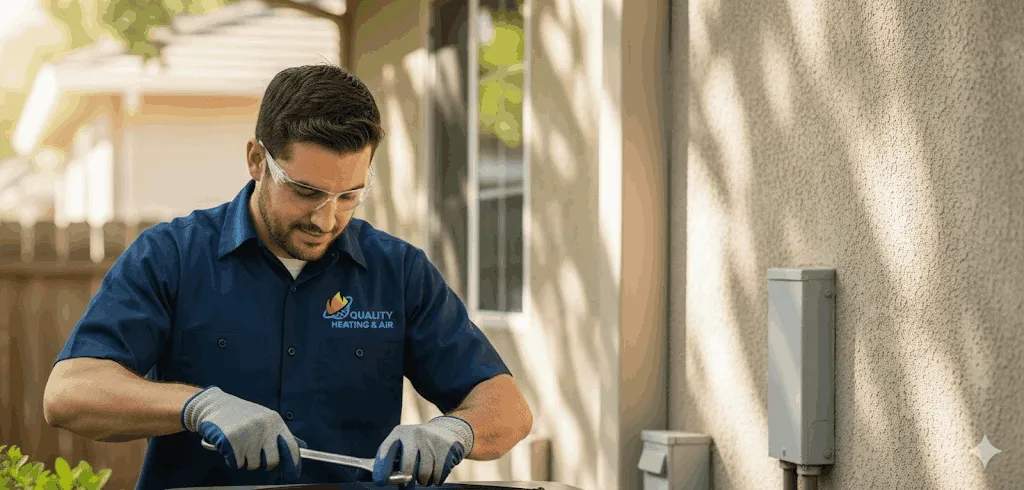
Furnace Tune Up in Louisville, CO
A professional furnace tune up is the single most effective preventative step Louisville homeowners can take to keep winter comfort reliable and energy costs manageable. With cold, dry winters, high-altitude temperature swings, and seasonal dust and wildfire smoke that all affect indoor air and equipment, a thorough tune up ensures your furnace runs safely, efficiently, and without surprises when the mercury drops.
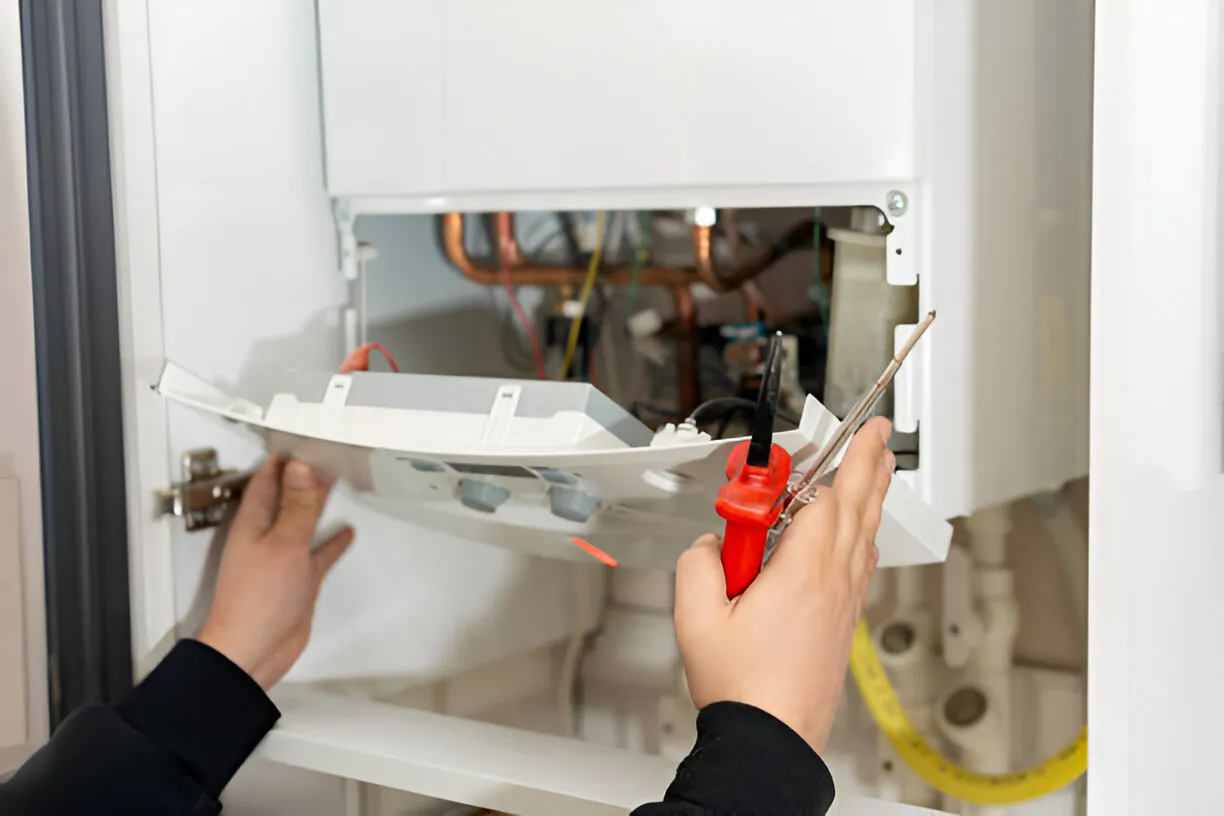
Why a furnace tune up matters in Louisville, CO
Louisville’s climate places specific stresses on heating systems: long heating seasons, increased airborne particulates from local construction and wildfire smoke, and drier air that accelerates dust accumulation. These factors make regular maintenance essential to avoid reduced performance, higher energy bills, and avoidable breakdowns in the middle of winter.
Common furnace issues in Louisville homes
- Dirty or clogged filters from seasonal smoke, pollen, and dust
- Incomplete combustion or carbon monoxide risk due to dirty burners or poor venting
- Weak airflow from dirty blower wheels, duct leaks, or blocked returns
- Intermittent ignition or flame sensor faults caused by soot or corrosion
- Excessive cycling or ineffective temperature control from thermostat calibration issues
- Wear-related failures in motors, belts, or safety switches on older systems
What a professional furnace tune up includes
A full tune up goes well beyond a quick check. Expect a structured inspection and service sequence that covers safety, combustion, airflow, and performance:
Detailed inspection checklist
- Air filter inspection and recommendation: Verify filter type and MERV suitability, note replacement needs.
- Burners and ignition: Inspect burners for deposits, check ignition system or pilot integrity, clean flame sensor.
- Heat exchanger and venting: Visual heat exchanger check for cracks or corrosion; verify flue and vent terminations are secure and clear.
- Combustion analysis: Measure oxygen, carbon dioxide, stack temperature, and CO to confirm safe, efficient combustion.
- Gas pressure and valve operation: Check incoming gas pressure and valve function for consistent flame characteristics.
- Blower and airflow: Inspect and clean blower wheel, measure static pressure and temperature rise to verify proper airflow.
- Safety controls and switches: Test limit switches, roll-out switches, pressure switches, and other safety devices for correct operation.
- Electrical connections and control board: Tighten terminals, inspect capacitors, relays, and sequence of operations.
- Thermostat calibration: Confirm accurate temperature control and fan operation settings.
- Condensate and drainage (high-efficiency units): Clear traps and drain lines to prevent blockages and water damage.
Cleaning procedures performed during tune up
- Vacuum and remove dust from the burner compartment and blower housing.
- Carefully clean burners, flame sensor, and ignition components to restore reliable startup and stable combustion.
- Clean blower wheel and motor area; lubricate bearings where applicable.
- Remove debris from return and supply vents near the furnace; inspect and clear vent terminations outside.
- Replace or recommend the correct air filter; document filter size and replacement cadence for homeowners.
Airflow and combustion testing explained
Accurate testing is the heart of a meaningful tune up:
- Airflow checks measure static pressure and temperature rise across the heat exchanger to ensure the furnace is moving the correct volume of air. Low airflow reduces efficiency and shortens equipment life.
- Combustion testing uses specialized instruments to measure oxygen, CO2, and carbon monoxide levels in the flue gases. These readings confirm whether the burners are burning fuel efficiently and safely. Technicians adjust gas input and burner alignment where safe and possible to optimize combustion.
- System performance metrics such as start-up time, cycling behavior, and response to thermostat commands are recorded so you understand current condition and any recommended follow-up.
Performance optimization tips for Louisville homeowners
- Use appropriately rated air filters (higher MERV can help with smoke and allergens, but check compatibility with your system).
- Keep outdoor vent terminations clear of snow, leaves, and debris—especially important after winter storms or high winds.
- Seal major duct leaks and insulate accessible ducts in unconditioned spaces to recover lost heat.
- Set a consistent thermostat schedule and use setback only within recommended ranges to avoid excessive cycling.
- Consider upgrading older thermostats to models that manage setback intelligently to balance comfort and efficiency.
- For homes with pets or heavy dust, change filters more frequently and consider adding whole-home filtration or air purification solutions.
Recommended frequency and timing
- Annual tune up: Schedule a professional furnace tune up once a year, ideally in early fall before sustained cold weather. This timing ensures your system is ready for the season and reduces the chance of emergency repairs.
- More frequent attention: Homes affected by wildfire smoke, heavy dust, pet dander, or with older furnaces (10+ years) should consider semi-annual inspections or targeted mid-season checks. High-efficiency condensing furnaces may also require closer monitoring of condensate drains and seals.
Expected benefits of a regular tune up
- Improved efficiency that reduces fuel usage and can lower heating costs over the season.
- Reduced risk of mid-season breakdowns by catching worn components before they fail.
- Safer operation through verified combustion and functioning safety controls, lowering carbon monoxide risk.
- Longer equipment life thanks to reduced strain on components and corrected airflow.
- Better indoor comfort with steadier temperature control and improved airflow distribution.
- Cleaner indoor air when filters and blowers are maintained, especially important after smoky periods.
Membership and maintenance plans (what to expect)
Maintenance plans commonly offered to homeowners include scheduled annual tune ups, priority service during peak season, waiver of diagnostic fees for covered repairs, seasonal filter reminders, and discounted labor or parts for documented repairs. These programs are designed to simplify ongoing maintenance and provide predictable care without surprise downtime.
Practical homeowner aftercare
- Keep the area around the furnace clear for airflow and safe access.
- Replace disposable filters on the schedule recommended during your tune up.
- Install and test carbon monoxide detectors on each floor and outside sleeping areas.
- Note any unusual noises, odors, or cycling changes and have them checked promptly—early detection prevents major repairs.
A detailed, professional furnace tune up tailored to Louisville’s local conditions protects your comfort, safety, and energy budget through the long Colorado heating season. Regular maintenance is the best investment to avoid emergency repairs and keep your system running at peak performance.
Promotions
Save on seasonal system checks from a local team that treats your home like our own.

Testimonials
Neighbors trust Quality Heating & Air for honest work and fair pricing.