
Furnace Replacement in Louisville, CO

Furnace Replacement in Louisville, CO
Replacing a furnace is a major home investment and the right choice when your system no longer heats reliably, becomes inefficient, or the cost of repeated repairs approaches the value of a new unit. For Louisville, CO homeowners, furnace replacement also requires attention to local climate, high-elevation combustion considerations, and City of Louisville / Boulder County building requirements.
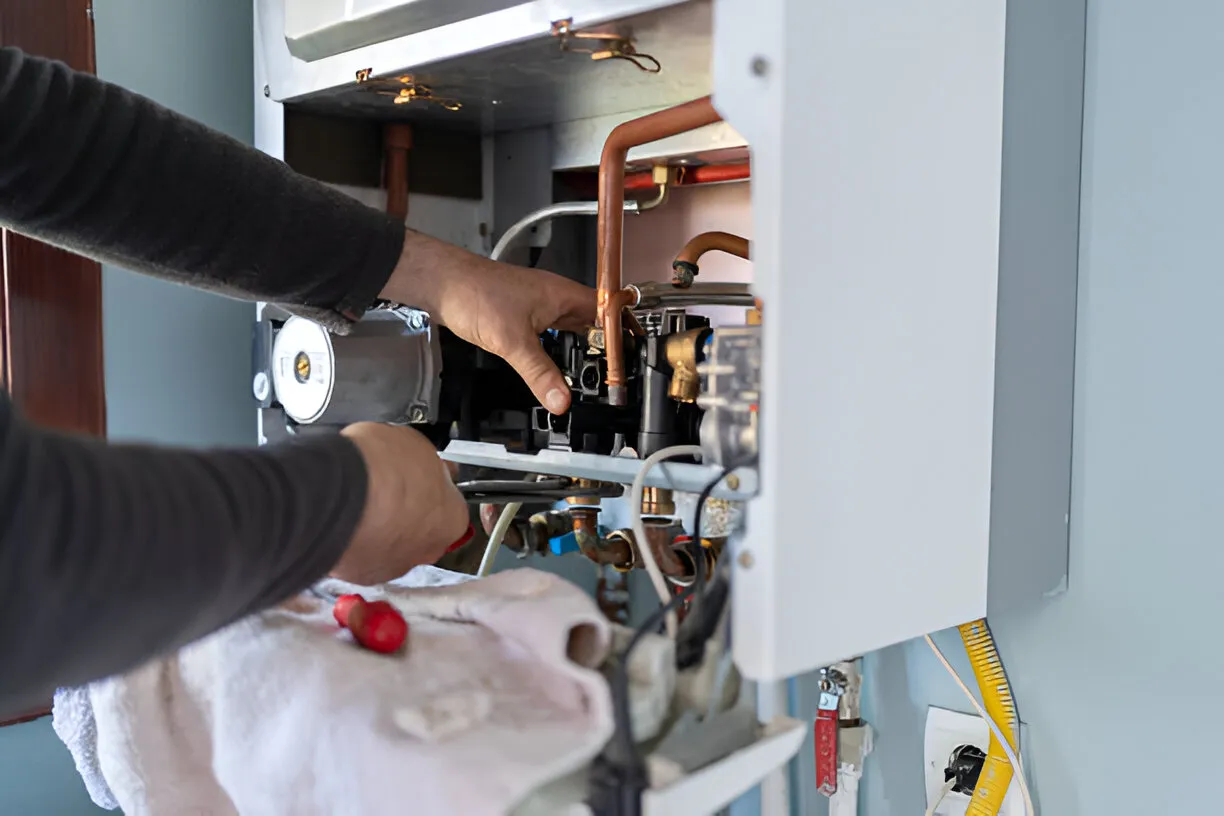
When replacement is recommended
Replacing a furnace is typically recommended when one or more of the following apply:
- The furnace is more than 12 to 15 years old and showing recurring failures or declining efficiency.
- Heating bills are steadily increasing despite regular maintenance.
- Repair estimates are frequent and cumulatively approach the cost of replacement.
- The system cannot maintain comfortable temperatures or struggles during Boulder County cold snaps.
- Safety issues appear (persistent carbon monoxide indicators, cracked heat exchanger, or unreliable safety switches).
- You want a substantial efficiency upgrade (higher AFUE or a switch to a modern heat pump solution).
In Louisville, where winter nights can be long and temperatures drop significantly, reliability and consistent heat delivery are essential considerations in the replacement decision.
System sizing and load calculations
Accurate sizing is critical. Oversized or undersized systems lead to short cycling, poor humidity control, and premature wear. Proper sizing includes:
- A Manual J load calculation to determine your home’s heating needs based on square footage, insulation levels, window types, orientation, and local climate.
- A Manual S selection to match equipment performance to calculated load.
- Ductwork inspection and a Manual D assessment when ducts are part of the equation—rating existing ducts for leaks, insulation, and proper airflow.
- Consideration of Louisville’s elevation (roughly 5,400 feet) when evaluating combustion performance and venting requirements.
An installer should perform a site visit and calculations rather than relying on rule-of-thumb sizing.
Energy-efficient models and brand comparisons
When replacing a furnace in Louisville, CO, homeowners often focus on efficiency and long-term operating cost. Key features to compare:
- AFUE ratings: Higher AFUE means more heat from the same fuel. Look for ENERGY STAR-qualified models where available.
- Modulating and two-stage burners: Provide more precise temperature control and reduced cycling versus single-stage units.
- Variable-speed ECM blowers: Improve comfort, reduce energy use, and enhance airflow balance.
- Condensing furnaces: These high-efficiency units capture additional heat using a secondary heat exchanger and require proper condensate drainage and PVC venting.
- Controls and smart thermostats: Optimize runtime and can integrate with zoning systems.
Common reliable brands available in the region include Carrier, Trane, Lennox, and Goodman, among others. Match features to your priorities: maximum efficiency, quiet operation, durability, or lowest operating cost. Also evaluate alternatives such as modern cold-climate heat pumps if lowering fossil fuel use is a priority—many homes in Louisville can now consider heat pumps due to improved low-temperature performance.
Installation process overview
A typical furnace replacement project follows these steps:
- Pre-installation assessment: Load calculations, duct inspection, and confirmation of fuel type and venting strategy.
- Equipment selection and permit application: Choosing the model and filing necessary permits with the City of Louisville or Boulder County as required.
- Site preparation: Clearing access, protecting floors, and prepping duct and vent connections.
- Removal of the old unit and installation of the new furnace: Installing the furnace, connecting gas lines or electrical supply, configuring venting, and routing condensate drains if required.
- Duct repairs or modifications: Sealing and insulating ducts, adjusting registers, and installing any required transition pieces.
- Commissioning and testing: Balancing airflow, calibrating controls, and verifying combustion performance and safety systems.
Professional installation minimizes callbacks and ensures code compliance and optimal efficiency.
Permit and code compliance
Furnace replacements in Louisville, CO generally require building permits and inspections. Key compliance points include:
- Building permits filed with the City of Louisville or the appropriate county jurisdiction.
- Adherence to the current Colorado energy code and fuel gas code adopted locally.
- Proper gas line sizing and pressure testing when installing or modifying gas equipment.
- Approved venting methods, especially if switching to high-efficiency condensing equipment (PVC venting) or updating chimney liners for non-condensing units.
- Combustion air requirements and carbon monoxide safety measures.
A licensed HVAC contractor should handle permit submission and coordinate final inspections.
Expected timeline
Typical timelines for a standard furnace replacement:
- Assessment and quotes: 1 to 3 days for on-site evaluation.
- Permit approval: Varies by jurisdiction—often a few days to two weeks.
- Equipment lead time: Immediate stock units can be installed within days; special-order models may take 1 to 3 weeks.
- Installation day: Most replacements are completed in one full business day for conventional systems; complex jobs with ductwork or replacement venting can take 2 days.
Plan for permit processing and potential equipment lead times when scheduling replacement before the coldest months.
Financing and rebate options
Many Louisville homeowners offset replacement costs through financing and incentives:
- Utility rebates: Xcel Energy and other local utilities frequently offer rebates for high-efficiency furnaces, smart thermostats, or weatherization measures—verify current programs before purchase.
- Federal incentives: Certain high-efficiency systems or heat pump installations may qualify for federal tax credits or energy efficiency incentives—check the latest federal rules and eligibility.
- Contractor financing and manufacturer financing: Many HVAC providers offer financing plans to spread payments over time.
- Local programs: Boulder County or municipal energy programs may provide additional incentives for electrification or efficiency upgrades.
Always confirm program availability and eligibility before finalizing equipment selection.
Warranty details
Warranty coverage typically includes:
- Manufacturer limited warranty on major components (durations vary by brand and model).
- Heat exchanger warranties that may be longer than other components.
- Optional extended warranties and labor warranties offered by installers.
- Warranty registration and adherence to scheduled maintenance are often required to preserve full coverage.
Request written warranty details and registration instructions before installation.
Post-installation testing and handoff
A proper replacement includes comprehensive testing:
- Combustion analysis and flue testing to ensure safe and efficient fuel burning.
- Carbon monoxide checks in the vicinity and at all monitored points.
- Airflow measurements and static pressure checks to confirm delivery and balance.
- Thermostat calibration and verification of control sequences.
- Leak and pressure testing for gas connections and verification of condensate drainage on condensing units.
- Documentation of installed equipment, settings, and maintenance recommendations.
Good commissioning reduces call-backs and guarantees peak system performance in Louisville’s seasonal conditions.
Long-term benefits and maintenance tips
Replacing an aging furnace with a properly sized, modern system provides:
- Improved comfort and more consistent temperature control during Boulder County winters.
- Higher efficiency and lower energy waste.
- Reduced repair frequency and increased reliability.
- Better indoor air quality when combined with sealed ducts and efficient filtration.
To protect your investment:
- Schedule annual professional tune-ups before heating season.
- Replace filters regularly with the recommended MERV rating for your system.
- Seal and insulate ducts and address attic or crawlspace insulation for whole-home efficiency gains.
- Keep combustion appliance ventilation clear and test CO detectors periodically.
A correctly selected and installed furnace, sized for your Louisville home and compliant with local codes, will deliver dependable warmth, efficiency, and peace of mind for many winters.
Promotions
Save on seasonal system checks from a local team that treats your home like our own.

Testimonials
Neighbors trust Quality Heating & Air for honest work and fair pricing.