Furnace Repair in Louisville, CO
Furnace Repair in Louisville, CO
A reliable furnace is essential for Louisville, CO homes where winter nights can dip well below freezing and temperature swings are common. Whether you’re facing no heat, short cycling, or ignition problems, timely furnace repair protects comfort, safety, and energy bills.
Common furnace failure symptoms in Louisville homes
- No heat: Furnace runs but delivers cold air, or the unit does not run at all. Often caused by faulty thermostat, ignition failure, or gas supply issues.
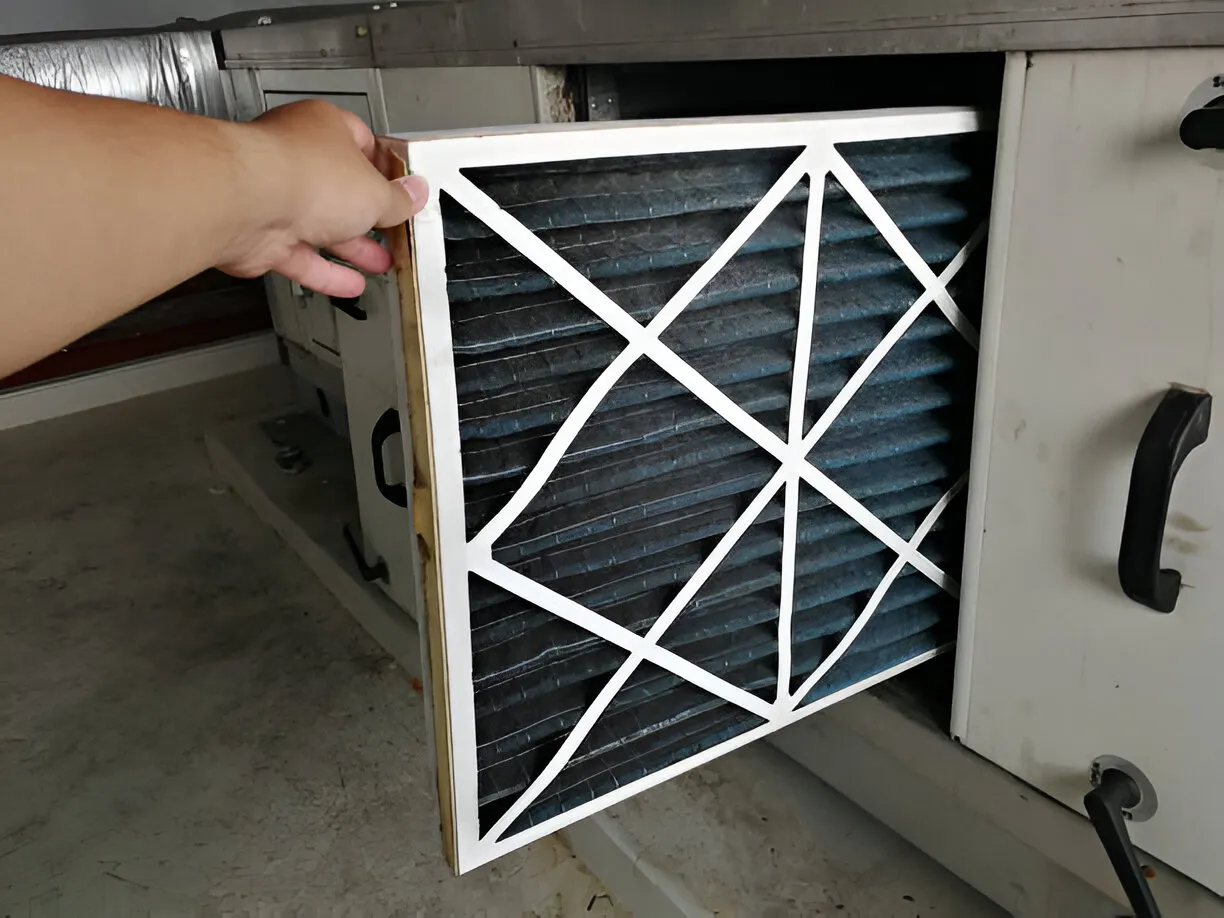
- Short cycling: Furnace turns on and off frequently. Causes include clogged air filters, overheating due to restricted airflow, or failing control boards.
- Ignition issues: Unit won’t light, or pilot/ignitor cycles repeatedly. Typical causes are a weak ignitor, dirty flame sensor, or gas valve fault.
- Weak airflow: Warm air exists but airflow is weak—dirty blower motor, failing fan capacitor, or blocked ductwork are common culprits.
- Strange noises: Squealing, banging, or rattling can indicate motor bearings, loose components, or a failing heat exchanger.
- Unusual smells or carbon monoxide concerns: Any smell of gas or symptoms like headaches or dizziness require immediate evaluation and CO testing.
Typical diagnostic procedure
A systematic diagnostic approach identifies the root cause quickly and prevents unnecessary repairs. Technicians follow a clear sequence:
- Customer interview: Gather symptom history, when problem began, recent maintenance, and thermostat settings.
- Visual and safety inspection: Check air filter, vents, visible wiring, and flue for obstructions or corrosion.
- Thermostat and electrical checks: Verify thermostat operation and measure system voltages and control signals.
- Combustion and ignition assessment: Inspect pilot system or hot surface ignitor, test flame sensor, and observe ignition cycle.
- Airflow evaluation: Measure static pressure, inspect blower assembly and return ducts, and check filters.
- Heat exchanger and safety switches: Examine for cracks, test limit and pressure switches, and ensure proper venting.
- System run and measurements: Run furnace and record supply and return temperatures, cycle behavior, error codes, and any abnormal sounds.
- Carbon monoxide test: Perform CO measurement when combustion issues are suspected or when occupants report symptoms.
Diagnostic time on-site typically ranges from a focused 30 minutes for simple checks to up to 90 minutes for complex combustion or intermittent problems.
On-site troubleshooting steps you can expect
- Replace or inspect the air filter and test effect on cycling and airflow.
- Reset breakers and inspect furnace switch and wiring connections.
- Clean the flame sensor and ignition components to restore reliable ignition.
- Lubricate blower motor bearings and tighten mounting hardware to address noise or weak airflow.
- Clear vent and flue obstructions and verify proper pressure switch operation.
- Bypass or test control board outputs to isolate failing components.
- Perform a controlled combustion test and CO measurement if needed for safety.
Technicians will explain findings in plain language, show failed parts when applicable, and outline repair options and implications for system safety and efficiency.
Parts replacement options and guidance
Common parts that may require replacement in Louisville homes:
- Hot surface ignitor or pilot assembly
- Flame sensor and pressure switches
- Blower motor, fan belt, or capacitor
- Gas valve and inducer motor
- Control board or relays
- Heat exchanger in severe cases
Choose between:
- OEM parts: Manufactured by the original equipment maker; typically recommended for best fit and longevity.
- High-quality aftermarket parts: Cost-effective alternatives that meet performance specs.
- Reconditioned components: Sometimes available for older systems where original parts are no longer produced.
Technicians will explain compatibility, expected lifespan, and whether a part replacement is a repair or an indicator that a full system replacement should be considered.
Emergency repair response expectations for Louisville, CO
Louisville experiences cold snaps and holiday outages where fast service matters. Typical local expectations:
- Emergency heating repairs are prioritized during freezing conditions; same-day or next-available emergency response is standard depending on call volume and time of day.
- Non-emergency repair visits are often scheduled within 24 to 72 hours.
- For arrests of carbon monoxide risk or active gas leaks, immediate on-site response is required by safety protocols.
Response times depend on technician availability, road conditions in winter, and call volume across Boulder County. Technicians will communicate estimated arrival windows before dispatch.
Warranty and parts information
- Manufacturer warranties: New or OEM replacement parts commonly carry manufacturer warranties that vary by part and model.
- Parts and labor coverage: Many repairs include limited labor warranties that cover the workmanship for a defined period; typical labor warranty lengths vary across providers.
- Warranty documentation: Technicians should present warranty details in writing for any replaced parts and explain what voids the warranty (improper maintenance, third-party modifications, etc.).
- Extended protection: Homeowners with service plans or extended warranties may have added coverage for repeat issues; technicians will note applicable coverage during estimates.
Technician qualifications and safety standards
Furnace repair in Louisville should be performed by qualified professionals. Look for:
- NATE-certified technicians: Certification demonstrates industry-recognized knowledge and hands-on competence in heating system diagnosis and repair.
- Gas safety training: Proper handling of natural gas systems, leak detection, and combustion analysis.
- CO testing and combustion analysis tools: Certified technicians use calibrated detectors and combustion analyzers to ensure safe combustion and venting.
- Up-to-date licensing and insurance: Proof of local trade licensing and liability insurance protects homeowners during on-site work.
NATE-certified technicians follow code requirements and safety standards for high-altitude and regional combustion variations common to the Front Range.
Clear estimate guidance (what to expect)
- Transparent estimates follow diagnostic testing: A diagnostic fee is typically collected to cover the technician’s time and testing. After the diagnosis, a written repair estimate outlines parts, labor, and warranty terms.
- Itemized explanations: Estimates should list each recommended component and whether it is an OEM or aftermarket part, plus an estimated time to complete the repair.
- Replacement vs repair assessment: When repairs are not cost-effective or safe (for example, a cracked heat exchanger), technicians will provide a replacement assessment and lifecycle implications.
- No-hidden-fee approach: Expect the estimate to explain potential additional costs that might arise if further issues are uncovered during repair.
Preventive tips for Louisville homeowners
- Replace filters regularly and keep returns clear to prevent short cycling and premature motor failure.
- Schedule annual heating tune-ups before winter to catch small issues early.
- Install and test CO detectors on every level of the home and near bedrooms.
- Keep the furnace area clear and ensure adequate combustion air intake.
This guide explains what Louisville homeowners should expect from professional furnace repair: a methodical diagnosis, safety-first troubleshooting, clear part options, qualified technicians, transparent estimates, and realistic emergency response expectations specific to the region’s climate and housing stock.
Promotions
Save on seasonal system checks from a local team that treats your home like our own.

Testimonials
Neighbors trust Quality Heating & Air for honest work and fair pricing.