
Furnace Tune Up in Denver, CO
Furnace Tune Up in Denver, CO
A professional furnace tune up in Denver, CO keeps your home safe, comfortable, and energy-efficient through long, cold winters and sudden temperature swings. With Denver’s high altitude, dry climate, and dust common across the Front Range, a thorough seasonal tune up addresses issues unique to local homes while reducing breakdown risk during peak heating demand. Below is a detailed guide to what a comprehensive furnace tune up includes, typical duration, expected benefits, seasonal timing, and how tune ups fit into a preventative maintenance plan for Denver homes.
Why a furnace tune up matters in Denver homes
- Denver’s altitude (around 5,280 feet) affects combustion and heat transfer, making precise fuel/air adjustments and combustion testing especially important.
- Dry, dusty air and seasonal construction growth in the region lead to faster filter clogging and blower contamination.
- Early cold snaps and heavy heating loads put extra stress on systems that haven’t been inspected after summer.A tune up reduces emergency repairs, improves safety, and restores efficiency so your system runs reliably when you need it most.
Common furnace problems in Denver and what tune ups catch
- Dirty filters and restricted airflow causing short cycling and reduced heat output
- Soot, corrosion, or cracks on the heat exchanger that compromise safety
- Poor burner performance or uneven flame patterns that reduce efficiency
- Thermostat drift or inaccurate temperature control after seasonal changes
- Weak blower performance from dust buildup or worn motor components
- Incomplete combustion or elevated carbon monoxide risk due to altitude or venting issues
Comprehensive tune up checklist (what technicians do)
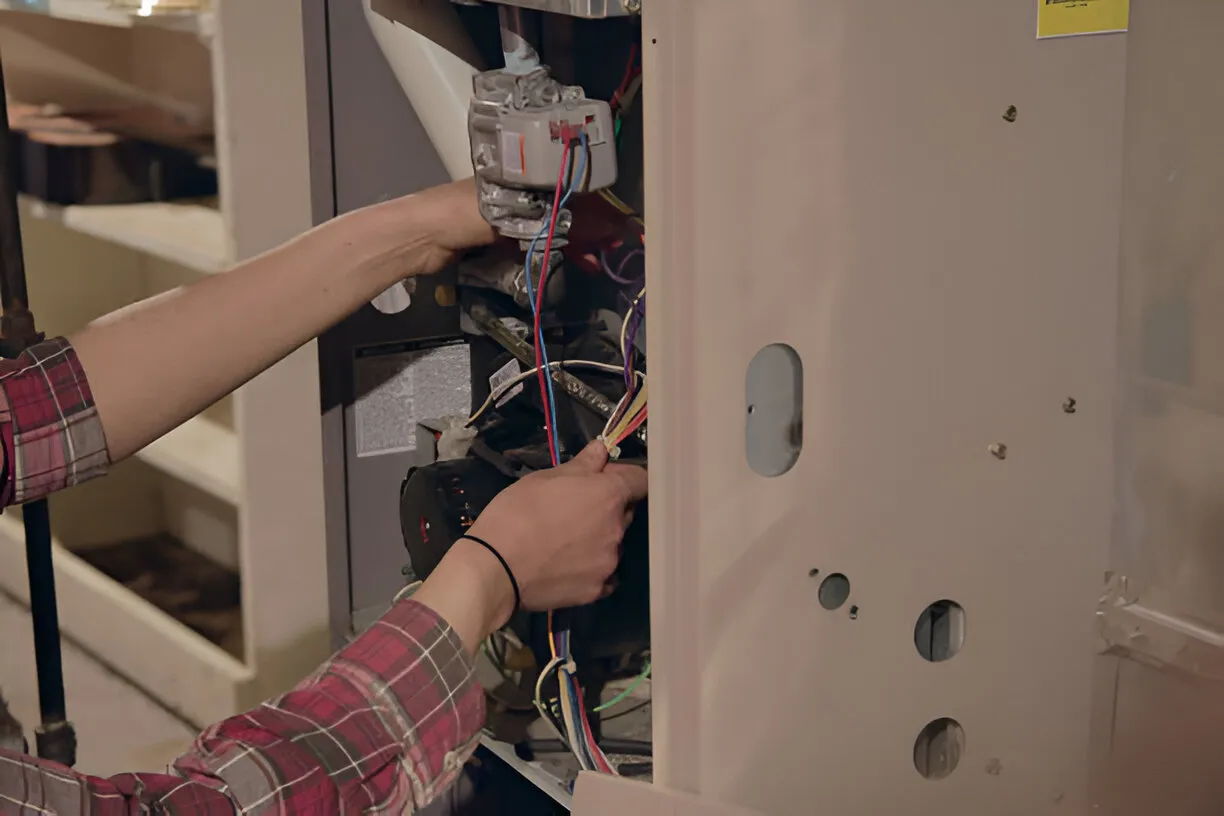
A professional Denver furnace tune up typically follows a systematic checklist that ensures safety, efficiency, and reliability:
- Filter inspection and replacement
- Check filter type and condition; replace or recommend proper MERV rating for the home.
- Explain how Denver dust levels and pets affect replacement frequency.
- Burner and heat exchanger inspection
- Visual and functional inspection of burners for proper ignition and clean flame pattern.
- Inspect heat exchanger for cracks, corrosion, or soot buildup that indicate dangerous leaks.
- Combustion analysis
- Measure flue gas composition, oxygen levels, and combustion efficiency.
- Adjust fuel/air mixture to compensate for high-altitude combustion characteristics common in Denver.
- Confirm safe carbon monoxide (CO) levels and proper draft through the venting system.
- Thermostat calibration and system control checks
- Verify thermostat temperature accuracy and cycle operation.
- Test control board, limit switches, rollouts, and safety interlocks for proper function.
- Blower assembly cleaning and inspection
- Clean blower wheel, motor, and housing to restore airflow and reduce energy use.
- Lubricate bearings where applicable and check belt tension if present.
- Ignition system and pilot check
- Inspect electronic ignition or pilot assembly for reliable start-up.
- Clean or replace components showing wear that could cause intermittent heating failures.
- Safety control and electrical tests
- Test high-limit switches, pressure switches, and other safety devices.
- Inspect wiring, terminals, and fuses for secure connections and overheating.
- Venting and flue inspection
- Ensure flue piping is sealed, properly pitched, and free of obstructions such as nests or debris.
- Verify proper draft to reduce carbon monoxide risk, especially in tightly sealed Denver homes.
- System operational test and final report
- Run the furnace through a full heating cycle to confirm steady combustion, steady temperature rise, and expected thermostat performance.
- Provide a concise service summary noting any recommended repairs or parts replacement.
Expected improvements after a tune up
- Improved efficiency and lower fuel use — cleaning burners and calibrating the combustion process restores designed efficiency.
- Better reliability and fewer emergency repairs — early detection of wear prevents mid-winter failures.
- Longer equipment life — reduced stress on components extends service life.
- Safer operation — validated safety controls and combustion testing reduce CO risk and heat exchanger hazards.
- More consistent comfort — accurate thermostat calibration and clean airflow minimize temperature swings and hot/cold spots.
Typical duration
A standard furnace tune up generally takes 45 to 90 minutes for most residential systems. Time varies based on system age, accessibility, whether filters or parts need immediate replacement, and whether a combustion analysis is required. Older or more complex systems can take longer.
Recommended timing for Denver homeowners
- Schedule your tune up in early fall, ideally before the first sustained cold spell. Denver winters can arrive suddenly; pre-season service avoids spring/summer backlog and peak-season emergency calls.
- If your furnace runs year-round for basement or whole-home comfort, consider a mid-winter check if you notice reduced performance or increased cycling.
- The dry, dusty months (late summer to early fall) often precede the biggest filter and blower issues, so fall tune ups are especially effective.
How tune ups fit into a preventative maintenance plan
- Annual professional tune up: one full-service visit each fall with a combustion analysis to adapt settings to Denver altitude and seasonal fuel variations.
- Quarterly homeowner checks: inspect filters monthly and replace as needed (every 1–3 months depending on occupancy, pets, and indoor air quality).
- Document service history: keep records of tune ups, repairs, and parts replacements to track trends and inform replacement decisions.
- Install and test CO detectors: as a complementary safety step after any combustion work.
- Consider a service agreement: planned maintenance schedules reduce downtime and ensure priority scheduling before peak cold snaps.
Final note on safety and performance
A furnace tune up in Denver, CO is more than routine cleaning; it is a safety and performance check tailored to local conditions. With proper seasonal tuning, homeowners can expect better efficiency, improved comfort, and safer operation throughout Denver’s challenging heating season. Regular tune ups are a core part of preventative care that protects your investment and keeps your home warm when temperatures drop.
Promotions
Save on seasonal system checks from a local team that treats your home like our own.

Testimonials
Neighbors trust Quality Heating & Air for honest work and fair pricing.