Furnace Repair in Denver, CO
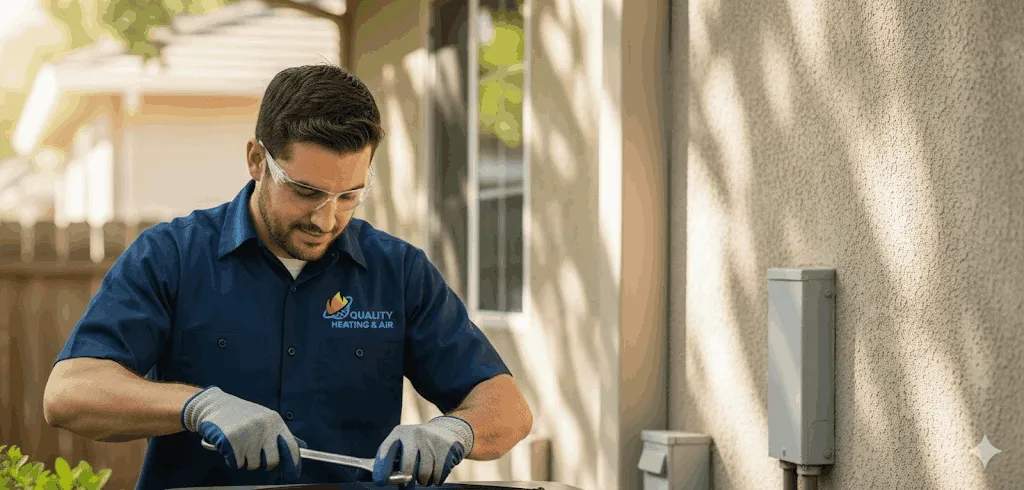
Furnace Repair in Denver, CO
When your furnace fails in Denver, CO, the problem is more than an inconvenience — it can be a safety and comfort emergency. Denver winters are cold, the altitude changes combustion behavior, and rapid temperature swings put extra stress on older systems. Our detailed furnace repair guidance helps Denver homeowners understand common faults, the repair process, expected response times, warranty expectations, and practical steps to prevent repeat breakdowns.
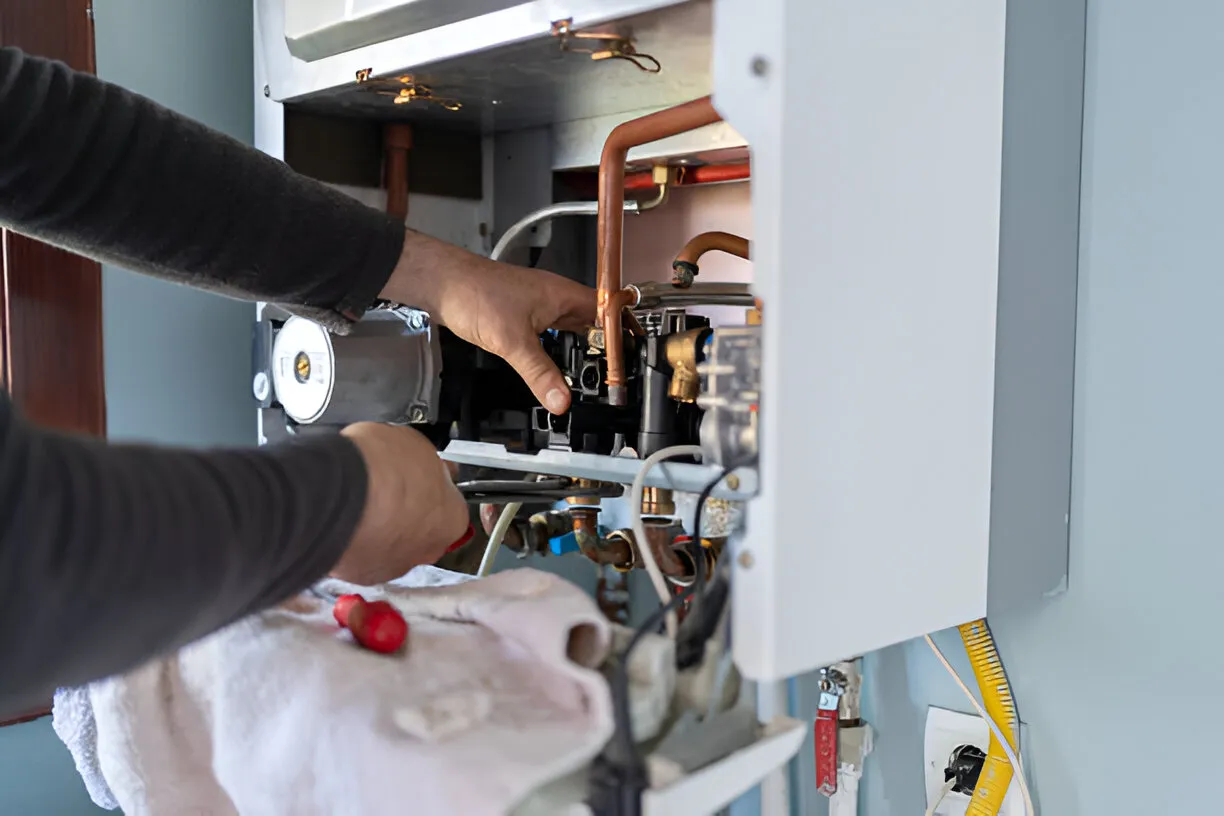
Common furnace repair issues in Denver homes
- Ignition or pilot problems
Hot surface ignitors and pilot assemblies wear out over time. Symptoms include the furnace trying to start repeatedly, clicking noises, or no flame. High altitude can make flames appear weak; a proper combustion check is essential. - Blower motor failures
Reduced airflow, strange noises, or the fan running continuously point to a failing blower motor, worn bearings, or a bad capacitor. - Thermostat and control issues
Incorrect temperature readings, short cycles, or a furnace that won’t respond are often thermostat-related. Control board faults can produce error codes or intermittent operation. - Gas valve and fuel supply faults
A furnace that turns on but does not ignite may have a faulty gas valve, pressure issue, or safety interlock engaged. - Flame sensor and limit switch problems
Dirty flame sensors or a faulty limit switch will shut the furnace down to prevent unsafe operation, often causing short cycling. - Clogged filters and restricted airflow
Denver’s dry, dusty environment and seasonal wildfire smoke can clog filters quickly, reducing efficiency and causing overheating. - Heat exchanger concerns
Cracks or corrosion are rare but serious. Any suspicion of a compromised heat exchanger requires immediate diagnostic combustion testing and CO screening.
How professional diagnostics work
A systematic diagnosis is essential to fix the root cause and restore safe operation:
- Visual and safety inspection of burners, vents, filters, wiring, and external components.
- Electrical checks for capacitors, motors, and control board voltages.
- Ignition and gas checks, including testing the ignitor, flame sensor, and gas valve operation.
- Combustion and CO testing to confirm proper flame characteristics and safe emissions — critical at Denver’s elevation.
- Airflow and duct evaluation to identify blocked returns, closed vents, or failing blowers.
- Thermostat calibration and sensor checks to eliminate control issues.
Typical diagnostics are explained before work begins and performed with the aim of providing a clear repair estimate.
Emergency vs scheduled repair procedures
- Emergency repairs: Issues that threaten safety (suspected gas leaks, high CO readings, complete heating loss during freezing weather) are prioritized. In the Denver metro area, emergency service is typically expedited to minimize exposure to cold and safety risks.
- Scheduled repairs: Non-urgent issues such as noisy motors, minor ignition warnings, or planned part replacements are handled on scheduled service visits with a full diagnostic and transparent estimate.
Response time targets vary by demand and location, but emergency situations are prioritized and scheduled service appointments are typically arranged within a few days. All repairs begin only after you receive and approve a clear estimate.
Typical parts replaced during furnace repair
- Hot surface ignitor or pilot assembly
- Flame sensor and pilot assembly components
- Blower motor and motor bearings
- Capacitors and relays
- Thermostats and control boards
- Gas valves and pressure regulators
- Limit switches and pressure switches
- Inducer motors and venting components
- Filters, belts, and standard consumables
A cracked heat exchanger is treated as a major safety issue; repair options and next-step recommendations are explained clearly if suspected.
Transparent pricing and warranty information
Pricing is provided as clear, itemized estimates before any repair work begins. Typical estimates break down labor, parts, diagnostic fees, and permit or disposal costs when applicable. You will be given options when multiple repair paths exist (repair vs replacement), along with the expected life-extension of the equipment.
Warranty coverage generally includes:
- Manufacturer warranties on replacement parts (length varies by manufacturer and part).
- Workmanship warranties covering the repair labor for a specified period.
Warranty terms and any conditions are explained upfront so you understand what is covered and for how long.
Safety checks performed after repairs
After completing repairs, technicians perform a standardized set of safety and performance checks:
- Gas leak detection and pressure verification
- Combustion analysis and carbon monoxide measurement
- Proper burner flame color and stability at Denver altitude
- Venting and flue draft inspection to ensure safe exhaust flow
- Electrical connection verification and operational testing
- Airflow measurement and thermostat calibration
These checks confirm the system is safe, efficient, and operating within manufacturer specifications.
Preventing future furnace breakdowns in Denver
- Annual pre-winter tune-up: A professional inspection and cleaning before the cold season reduces breakdown risk and improves efficiency.
- Change filters regularly: Denver’s dust and seasonal smoke mean filters can clog faster than in other regions. Replace filters per manufacturer guidance or more often during dusty months.
- Keep vents and intakes clear of snow, ice, and debris — critical during heavy winter storms.
- Install or test carbon monoxide detectors on each level of the home and near sleeping areas.
- Consider high-altitude adjustments: Older furnaces may require combustion tuning or specific adjustments for reliable performance at Denver’s elevation.
- Use a programmable thermostat and proper humidification to reduce system strain during extreme temperature swings.
Why timely furnace repair matters in Denver
Prompt repair restores comfort and prevents discretionary issues from becoming safety hazards. Timely action reduces energy waste, avoids frozen pipes and secondary damage, and ensures the system runs with safe combustion characteristics suited to Denver’s elevation. Addressing malfunctions early also gives you more control over repair choices and long-term cost management.
By understanding common failures, the diagnostic process, what parts are commonly replaced, and the safety checks performed after service, Denver homeowners can make informed decisions when repair is needed. Proper maintenance and prompt attention to warning signs keep furnaces operating safely and efficiently throughout Denver winters.
Promotions
Save on seasonal system checks from a local team that treats your home like our own.

Testimonials
Neighbors trust Quality Heating & Air for honest work and fair pricing.