
Furnace Maintenance in Denver, CO
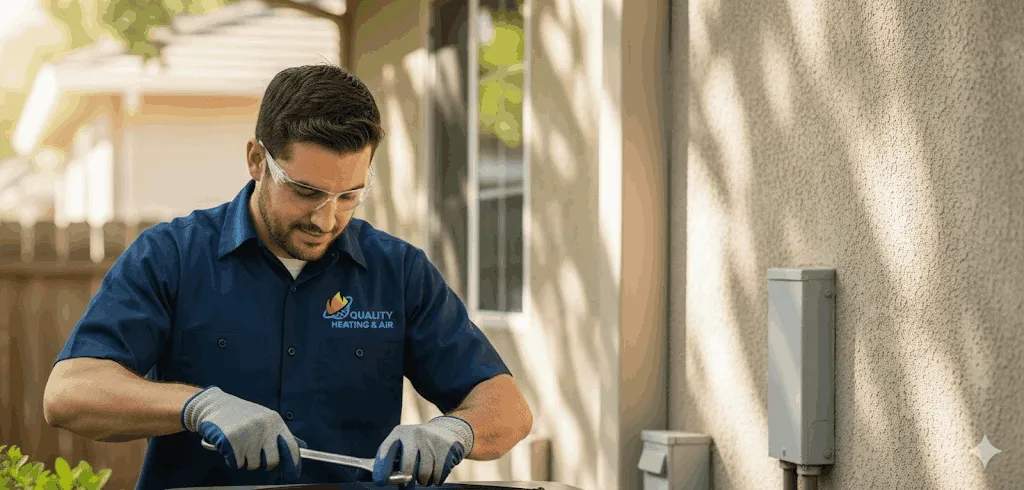
Furnace Maintenance in Denver, CO
Keeping your furnace well-maintained is essential for reliable heat, lower energy bills, and household safety—especially in Denver, CO where winters are cold, dry, and sometimes unpredictable. Regular furnace maintenance reduces breakdowns during freeze spells, improves combustion efficiency at high altitude, and helps your system meet manufacturer requirements for warranty and long life.
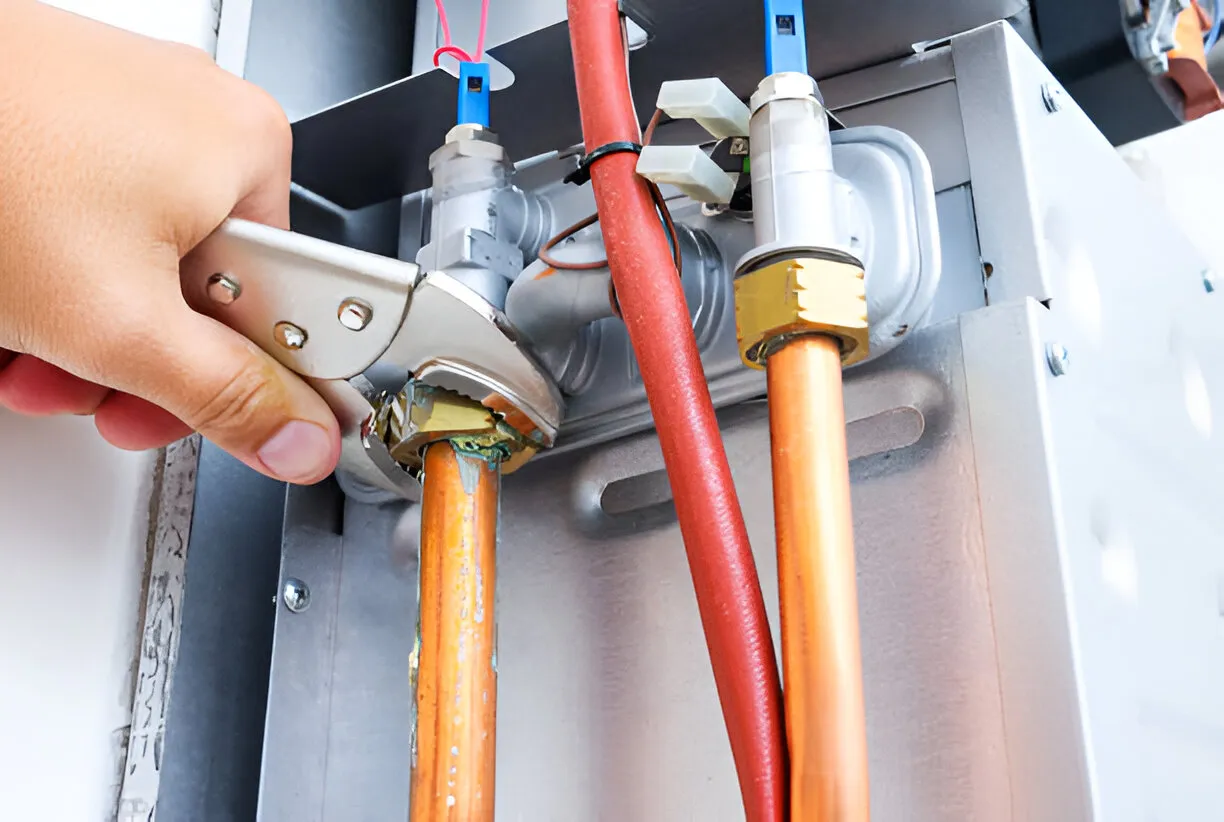
Why furnace maintenance matters in Denver, CO
Denver’s climate and elevation create specific stresses on heating systems:
- Colder winter nights and wide temperature swings increase run-times and wear.
- Higher altitude affects combustion characteristics; burners and venting need correct adjustment to maintain safe, efficient operation.
- Dry, dusty air and seasonal pollen can clog filters and reduce airflow faster than in more humid areas.
- Freeze-thaw cycles can affect condensate drains on high-efficiency units and expose flue or venting issues.
Routine maintenance addresses these local challenges so your furnace runs safely and efficiently all winter.
Common furnace maintenance issues in Denver homes
- Clogged or incorrect air filters causing poor airflow and reduced efficiency.
- Dirty burners and heat exchanger fouling that lower heat transfer and raise fuel use.
- Misadjusted combustion at altitude, leading to inefficient burning or higher CO risk.
- Weak blower performance from dirty blower wheels or worn motors.
- Thermostat offsets or improper staging causing short cycling or uneven heat.
- Restricted vents or flues from debris or ice buildup.
- Ignition and safety control wear that can cause intermittent failures.
What a seasonal furnace tune-up includes
A professional seasonal tune-up for furnaces in Denver, CO typically consists of the following comprehensive tasks:
- Visual inspection of furnace cabinet, panels, and surrounding area for safety and clearance.
- Filter inspection and replacement (or recommendation) to restore proper airflow.
- Burner cleaning and inspection to ensure even ignition and efficient combustion.
- Heat exchanger inspection for signs of cracks or corrosion that could allow combustion gases into the home.
- Safety and combustion checks including pilot/ignition system verification and checks of limit switches and safety controls.
- Combustion analysis and CO testing to verify proper fuel-air mix and safe exhaust at Denver elevation.
- Blower assembly service: clean blower wheel, check motor bearings, and measure amperage.
- Gas valve and pressure checks where applicable to confirm correct fuel delivery.
- Thermostat calibration and performance check including control sequencing for multi-stage systems.
- Flue and vent inspection to confirm proper draft, clearances, and no blockages.
- Performance and efficiency testing: measured temperature rise, static pressures, and system cycling evaluation.
- Detailed service report and recommended repairs or efficiency upgrades.
Diagnostic process — what technicians will look for and why
During a maintenance visit, technicians follow a methodical checklist to diagnose current issues and anticipate failures:
- Confirm system identification (model, capacity, age) and review previous service history.
- Inspect filters, vents, and returns for restrictions that increase heat stress.
- Run the furnace while measuring fuel flow, manifold pressure, combustion gases (CO and O2) and flue temperatures to ensure safe, efficient operation at Denver’s altitude.
- Measure electrical loads on motors and controls to spot failing components before they fail.
- Evaluate airflow and static pressure to determine if ductwork or blower adjustments are needed.
- Inspect heat exchanger visually and with diagnostic tools to look for cracks or leaks that create CO risk.
These diagnostics are designed to prevent emergency failures and to document condition for warranty and long-term planning.
Typical repairs and solutions uncovered during maintenance
- Replacing dirty or improper filters with correct MERV-rated options for your system.
- Cleaning burners and adjusting fuel-air mixture to restore efficient combustion.
- Repairing or replacing failing ignition systems, flame sensors, or gas valves.
- Balancing or repairing blower motors and replacing worn belts or bearings.
- Sealing or recommending ductwork repairs to improve airflow and efficiency.
- Addressing venting or flue issues, including correcting draft problems or removing blockages.
- Recommending upgrades such as programmable thermostats, high-efficiency filters, or sealing measures to boost comfort and lower bills.
Recommended maintenance frequency and plans
- Annual professional maintenance is recommended for most gas and electric furnaces. For high-use households, older equipment, or homes with pets and high dust, consider twice-yearly checks.
- Timing matters: schedule a pre-season tune-up in early fall to ensure readiness before sustained cold weather.
- Consider a service agreement or membership plan that typically includes:
- Priority scheduling during peak season
- Discounts on repairs and replacement parts
- Annual or bi-annual tune-ups with diagnostic testing
- Documentation to support manufacturer warranty claims
Service agreements help Denver homeowners avoid emergency calls during sudden cold snaps and provide predictable maintenance that extends equipment life.
How maintenance extends life and reduces energy costs
- Clean burners, proper combustion, and unrestricted airflow increase heat transfer efficiency so the furnace uses less fuel for the same comfort.
- Routine lubrication, electrical checks, and component cleaning reduce wear and prevent costly motor or control board failures.
- Early detection of small issues like cracks in a heat exchanger or a failing draft inducer can avoid complete system replacement and reduce the safety risk to your household.
- A well-maintained system operates closer to its rated efficiency, which lowers monthly heating bills—an important benefit given Denver’s winter heating demands.
Quick homeowner maintenance tips for Denver residences
- Replace or clean filters every 1–3 months during heavy use seasons; dry Colorado air accelerates filter loading.
- Keep returns and vents unobstructed and change furniture placement that blocks airflow.
- Insulate exposed ductwork in unconditioned spaces to reduce heat loss.
- Check the area around outdoor vents and intakes after snowstorms to ensure clear airflow.
- Note any new odors, increased cycling, or unusual noises and schedule a professional inspection promptly.
Regular, professional furnace maintenance in Denver, CO safeguards your family’s comfort and safety, keeps heating costs down, and helps your furnace last longer. A documented seasonal tune-up tailored to Denver’s altitude and climate is a smart investment in reliable winter warmth and peace of mind.
Promotions
Save on seasonal system checks from a local team that treats your home like our own.

Testimonials
Neighbors trust Quality Heating & Air for honest work and fair pricing.