
Furnace Installation in Denver, CO
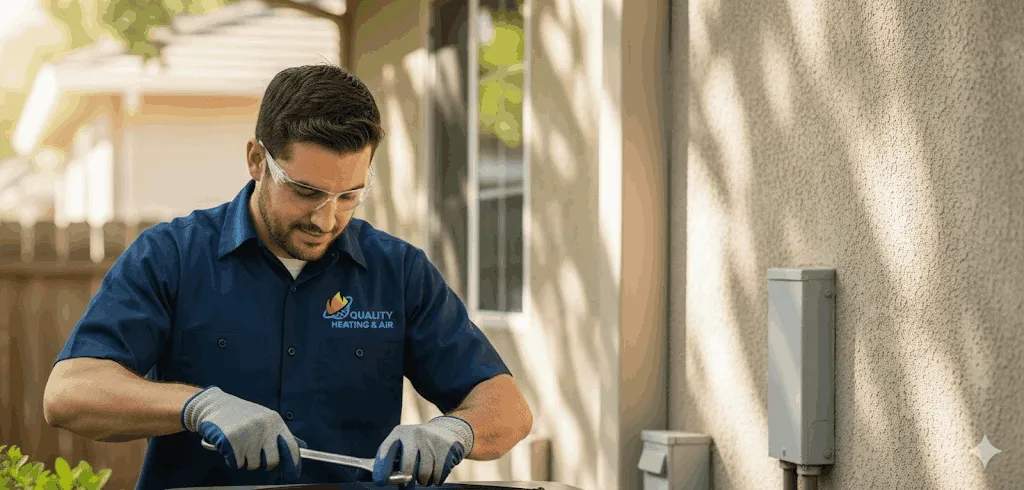
Furnace Installation in Denver, CO
Installing a new furnace is one of the most important decisions for Denver homeowners who want reliable winter comfort, lower energy bills, and improved indoor air quality. In Denver, CO, where winter temperatures can drop sharply and altitude affects combustion performance, a proper furnace installation is about more than swapping equipment. It requires a full-site evaluation, accurate sizing, careful venting and ductwork planning, and strict adherence to local code and permit requirements to ensure safety, efficiency, and long-term performance.
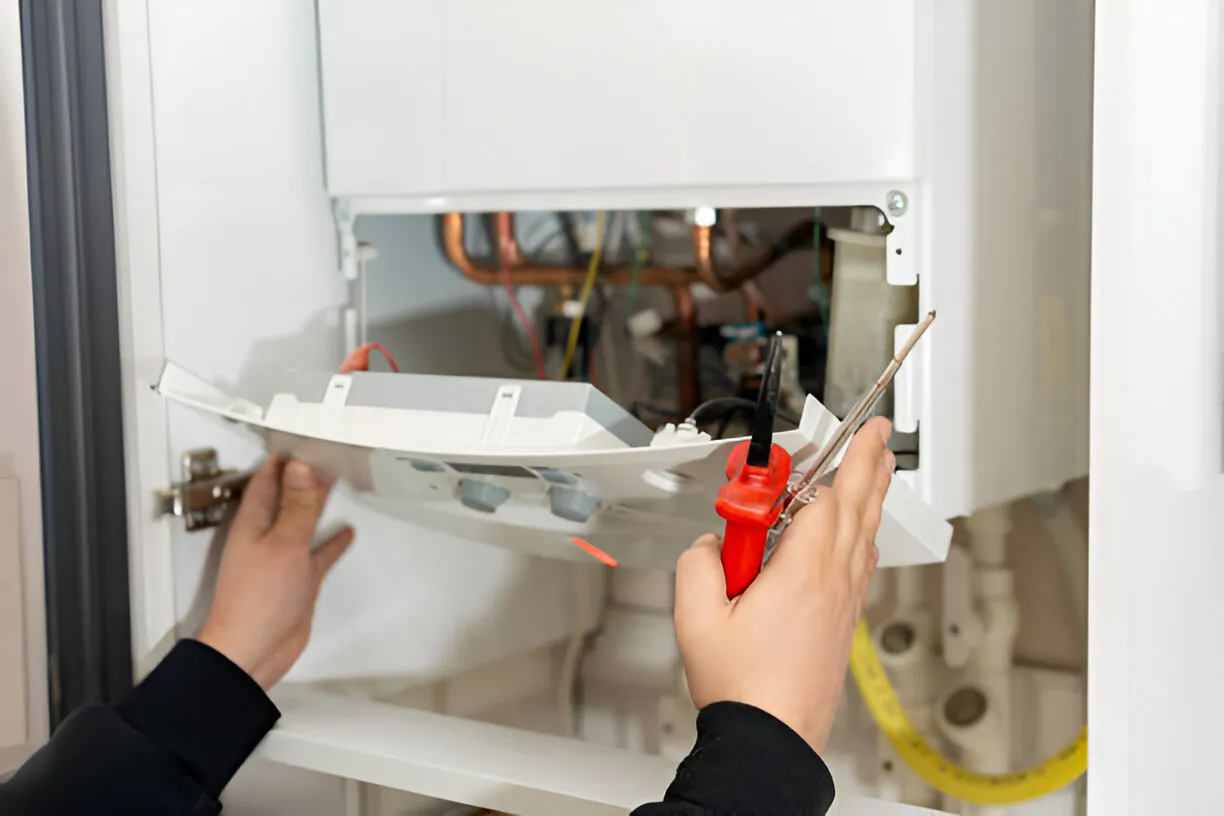
Why correct furnace installation matters in Denver
- Denver’s altitude and low humidity change combustion and heat loss characteristics compared with sea-level locations. Off-the-shelf assumptions can lead to undersized or inefficient systems.
- Older Denver homes often have leaky or undersized ducts, which wastes heat and reduces comfort even with a new furnace.
- Proper venting and combustion air management are critical where winter snow and stacked entrances can block outdoor vents.
- A correctly installed system reduces the risk of carbon monoxide, improves efficiency, and extends equipment life.
Common furnace types and what Denver homes need
- Single-stage gas furnaces: Simple and durable. Best for smaller budgets or homes with consistent load profiles.
- Two-stage and modulating gas furnaces: Offer better temperature control and efficiency for Denver’s fluctuating winter conditions.
- High-efficiency condensing furnaces: Capture more heat from combustion but require condensate management and sometimes different venting materials.
- Electric furnaces or heat pumps: Viable for homes without natural gas or for milder Denver locations; heat pump performance varies with winter lows and may be paired with auxiliary heat.
Site evaluation: the first critical step
A thorough site evaluation determines the right equipment and installation approach. Key items covered during evaluation:
- Home size, insulation levels, window types, orientation, and recent upgrades
- Existing duct design, condition, and accessibility
- Fuel supply and gas line capacity, meter location, and shutoff accessibility
- Venting options and exterior clearance needs (consider snowdrifts and airflow)
- Utility rates and any local incentive programs that may affect system selection
- Required clearances and mechanical room dimensions
System selection and accurate sizing
Correct sizing is non-negotiable. A professional Manual J load calculation tailored to Denver factors will:
- Account for altitude, solar gain, insulation, and air infiltration
- Prevent short-cycling from oversized units and underperformance from undersized units
- Balance capacity with efficiency goals and indoor comfort preferences
When selecting a make and model, consider:
- AFUE and real-world performance at altitude
- Modulation levels (single-stage vs two-stage vs modulating)
- Compatibility with your duct system and controls
- Manufacturer reputation and local support for service and parts
Ductwork and venting considerations for Denver homes
- Duct condition: Many local homes need duct sealing and insulation to reduce heat loss through unconditioned spaces such as attics or crawl spaces.
- Duct sizing and airflow: Proper return and supply sizing ensures balanced airflow. Static pressure checks confirm the blower and system operate efficiently.
- Venting and combustion air: High-efficiency furnaces may require PVC venting and proper condensate disposal. Outdoor vent termination must be located to avoid obstruction from snow and ice.
- Chimney and flue inspection: Older chimneys may need liners or conversion for new furnaces. Combustion air pathways must meet local code.
Code, permits, and Denver-specific requirements
- Permit requirements: Furnace replacements and new installations in Denver typically require permits and inspections. Permit processes ensure work meets safety and energy codes.
- Local codes: Installations must follow applicable building and mechanical codes adopted by Denver, including combustion air, venting, gas piping, and energy efficiency standards.
- Inspection checkpoints: Proper permits lead to inspections for gas connections, venting, combustion safety, and final system operation.
Step-by-step installation process
- Pre-install preparation: Confirm model, site access, and permit status. Plan for disposal of old equipment and protect floors and finishes.
- Old equipment removal: Safely disconnect gas, electrical, and fuel lines, and remove the existing furnace and obsolete venting if needed.
- Duct and vent modifications: Repair or replace duct sections, seal joints, and install or adapt venting and flue components for the new unit.
- Set and secure new furnace: Position unit, secure to platform or pad, and connect to ducts and venting system.
- Gas and electrical connections: Install new gas piping or adapt existing line; finalize electrical connections per code with proper grounding and disconnects.
- Condensate and drainage: For condensing furnaces, install condensate traps and routed drains capable of handling freezing temperatures or include insulation/tracing where necessary.
- Controls and thermostat integration: Wire smart or programmable thermostats and integrate zoning or air quality controls if present.
- Safety checks and startup: Perform initial leak checks, purge as required, confirm combustion air, and run startup sequence.
Post-install testing and commissioning
- Combustion analysis: Measure CO levels and combustion efficiency to confirm safe operation, particularly important at Denver altitude.
- Carbon monoxide and leak testing: Verify no gas leaks and that CO levels are within safe limits.
- Airflow and static pressure testing: Ensure adequate CFM and balanced supply/return dynamics.
- Safety control verification: Test limit switches, pressure switches, and flue safeguards.
- System demonstration: Explain thermostat operation, filter access, and routine checks (in plain language).
Supported brands and components
Common, reliable brands suitable for Denver installations include Carrier, Trane, Lennox, Daikin, and Amana. Select equipment that has local parts availability and proven performance in high-altitude, cold-climate installations. Controls such as programmable thermostats and air quality accessories should be chosen for compatibility and ease of service.
Warranties and long-term protection
- Manufacturer warranties: Typical heat exchanger and parts coverage varies by brand and model. Register the new system to activate full warranty benefits.
- Labor and workmanship: Look for documented labor guarantees for installation quality and compliance with local codes.
- Maintenance plans: Regular tune-ups preserve efficiency, maintain safety, and help protect warranty conditions.
Expected timelines and cost factors (what to anticipate)
- Typical installation timeline: From site evaluation to final commissioning, most furnace installations in Denver can be completed within one to several days depending on complexity. Full replacements that require substantial ductwork or venting upgrades may take longer.
- Factors that influence time and cost: Required duct repairs, need for new venting or chimney liners, gas line upgrades, permitting and inspection cycles, and special access conditions. High-efficiency systems may add steps for condensate management and venting changes.
- How to estimate investment: Evaluate total lifecycle value—efficiency gains, warranty coverage, and reduced maintenance needs often outweigh upfront differences between models. Focus on correct sizing, proper venting, and quality installation to maximize return on investment.
Maintenance and long-term tips for Denver homeowners
- Schedule annual heating tune-ups before the heating season to verify combustion, safety controls, and airflow.
- Replace filters regularly and seal ducts to reduce energy loss.
- Monitor outdoor vent clearance during snowfalls and remove accumulated snow and ice as needed.
- Keep combustion appliances serviced to maintain safe operation at Denver’s altitude.
A professionally executed furnace installation in Denver, CO addresses local climate and altitude effects, follows code and permit requirements, and includes careful attention to ductwork, venting, and commissioning. When the system is sized and installed correctly, homeowners gain reliable warmth, better energy performance, and lasting peace of mind through cold Denver winters.
Promotions
Save on seasonal system checks from a local team that treats your home like our own.

Testimonials
Neighbors trust Quality Heating & Air for honest work and fair pricing.