Furnace Service in Lafayette, CO
Furnace Service in Lafayette, CO
Keeping your furnace running safely and efficiently is essential for Lafayette homes, where cold Colorado winters, high elevation, and wide daily temperature swings put extra stress on heating systems. Our furnace service covers diagnostics, repairs, tune-ups, and preventive maintenance designed specifically for local conditions. Below you will find a clear explanation of common furnace issues in Lafayette, how we diagnose and fix them, what service agreements and scheduling typically look like, and what you can expect from our technicians and support.
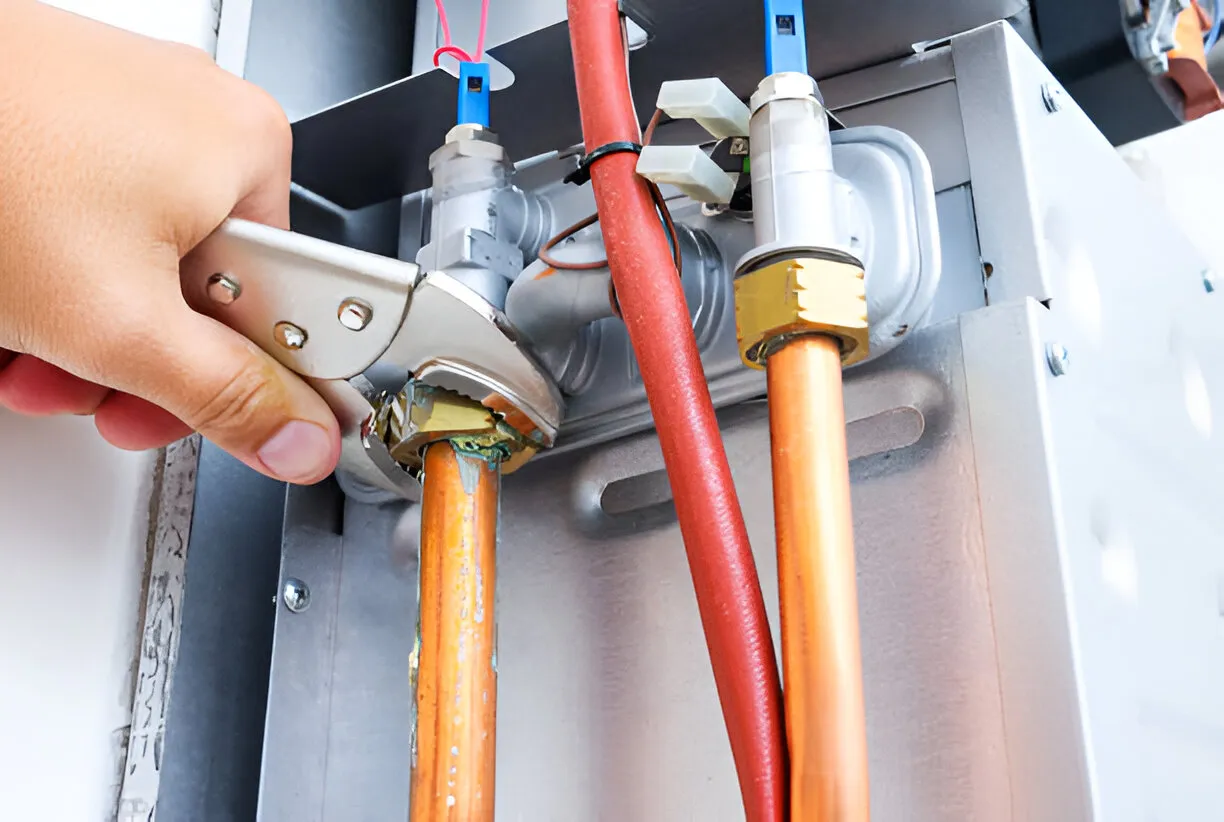
Why furnace service matters in Lafayette, CO
Lafayette experiences cold nights and rapid temperature changes that increase furnace run times and cycling. The area’s elevation affects combustion and venting, so furnaces tuned at sea level may not run optimally here. Regular service prevents unsafe conditions like carbon monoxide leaks, reduces heating costs, and extends equipment life. In addition, seasonal wildfire smoke and dust make filter performance and indoor air quality important considerations for many local homeowners.
Common furnace problems in Lafayette homes
- Uneven or insufficient heat in one or more rooms
- Furnace short-cycling or running constantly
- Weak airflow from vents or noisy blowers
- Frequent pilot outages or ignition failures on gas furnaces
- Yellow or irregular pilot flame indicating combustion issues
- Higher than normal energy bills during heating season
- Visible soot, odor of exhaust, or unusual odors (possible combustion or venting problem)
- Tripped breakers, blown fuses, or control board errors
- Carbon monoxide concerns or faulty CO detectors
Types of furnace services offered
- Comprehensive diagnostics to identify electrical, mechanical, or combustion issues
- Repairs for motors, ignitors, control boards, gas valves, burners, heat exchangers, and draft inducer assemblies
- Seasonal tune-ups and preventive maintenance including cleaning, adjustments, and safety checks
- System optimization for efficiency at Lafayette elevation and home-specific airflow balancing
- Duct inspection and sealing and basic indoor air quality filter upgrades for smoke and dust mitigation
- Emergency furnace repairs for unsafe conditions or total system failure
Diagnostic process: what to expect
A reliable diagnostic follows a consistent, safety-first workflow tailored to local needs:
- Visual inspection of the unit, filter condition, and venting configuration.
- Safety checks including carbon monoxide screening and flue/chimney inspection.
- Electrical and control system evaluation: breakers, fuses, thermostat operation, and control board codes.
- Combustion analysis for gas furnaces: flame pattern, burner condition, gas pressure, and vent draft. This step is important at higher elevations like Lafayette.
- Airflow assessment: blower operation, duct leaks, and return/return filter checks.
- Component testing: ignitor, inducer motor, limit switches, capacitors, and relay functionality.
- Clear, written findings with recommended repairs or maintenance tasks and an estimate.
Diagnostic fees are typically transparent and applied toward recommended repairs where appropriate.
Common repairs and solutions explained
- Ignitor or pilot replacement: Modern furnaces use electronic ignitors that wear out. Replacing the ignitor restores reliable ignition and prevents no-heat calls.
- Blower motor and capacitor repair: Weak airflow and noisy operation often trace to blower issues or failing capacitors. Repair or replacement restores proper circulation and efficiency.
- Control board and relay replacement: Intermittent operation or error codes usually indicate electrical control faults requiring component replacement.
- Heat exchanger inspection and action: Cracked heat exchangers are a safety risk. If a crack is found, replacement is normally required to protect against combustion gas and carbon monoxide exposure.
- Gas valve and burner cleaning: Proper combustion and efficiency depend on clean burners and correct gas pressure, especially at elevation.
- Duct sealing and balancing: Addressing leaks and poor distribution improves comfort while reducing wasted heat.
- Thermostat calibration or upgrade: Accurate temperature control reduces cycling and improves comfort.
When repair costs approach the cost of replacement or safety-compromising parts are found, we provide clear guidance on the long-term benefits of replacement versus repair.
Tune-ups and preventive maintenance
A professional seasonal tune-up typically includes:
- Replacing or inspecting filters and recommending higher-efficiency options for smoke/dust seasons
- Cleaning burners, flame sensors, and condensate lines where applicable
- Lubricating moving parts, tightening electrical connections, and testing safety controls
- Checking and adjusting combustion settings for Lafayette elevation to maintain efficiency and safe venting
- Testing for carbon monoxide and documenting system status
- Providing a service report with recommended next steps and expected lifespan considerations
Regular maintenance lowers the risk of breakdowns during cold snaps and helps preserve manufacturer warranties.
Response times, service agreements, and pricing structure
- Response times: Typical scheduling options range from next-business-day for non-emergencies to same-day or priority emergency visits for unsafe conditions. After-hours emergency response is available in many cases for situations that risk safety or loss of heat.
- Service agreements: Maintenance plans generally include scheduled annual tune-ups, priority dispatch, discounted diagnostic or repair labor rates, and documented service history. Agreements are structured to provide predictable maintenance and faster service during peak winter demand.
- Pricing structure: Estimates are provided before work begins. Diagnostic visits usually result in a clear, itemized estimate for necessary repairs or replacement. Pricing emphasizes transparency: parts and labor are explained, and warranties or guarantees on work are noted.
Technician qualifications and customer support
- Technicians are licensed, insured, and trained to industry standards with continuing education on combustion safety, high-altitude adjustments, and manufacturer-specific systems. Many hold NATE certification and manufacturer certifications for Trane, Carrier, Lennox, and other common brands.
- Every service includes documented safety checks and a clear explanation of findings in plain language. Support options include scheduling follow-up maintenance, documentation of work for warranty compliance, and guidance on energy-saving upgrades or IAQ improvements for Lafayette homes affected by smoke or dust.
Benefits of timely furnace service
- Improved safety with reduced risk of carbon monoxide exposure and electrical hazards
- Lower energy use and more consistent comfort during Lafayette winters and transitional seasons
- Fewer emergency repairs and extended equipment lifespan
- Better indoor air quality when filters and ducts are maintained, especially important during wildfire smoke events
Regular furnace service tailored to Lafayette, CO conditions protects your home, your family, and your heating investment. Proper diagnostics, timely repairs, and seasonal maintenance keep systems operating safely and efficiently through the cold months and the variable Colorado seasons.
Promotions
Save on seasonal system checks from a local team that treats your home like our own.

Testimonials
Neighbors trust Quality Heating & Air for honest work and fair pricing.