
Furnace Repair in Lafayette, CO
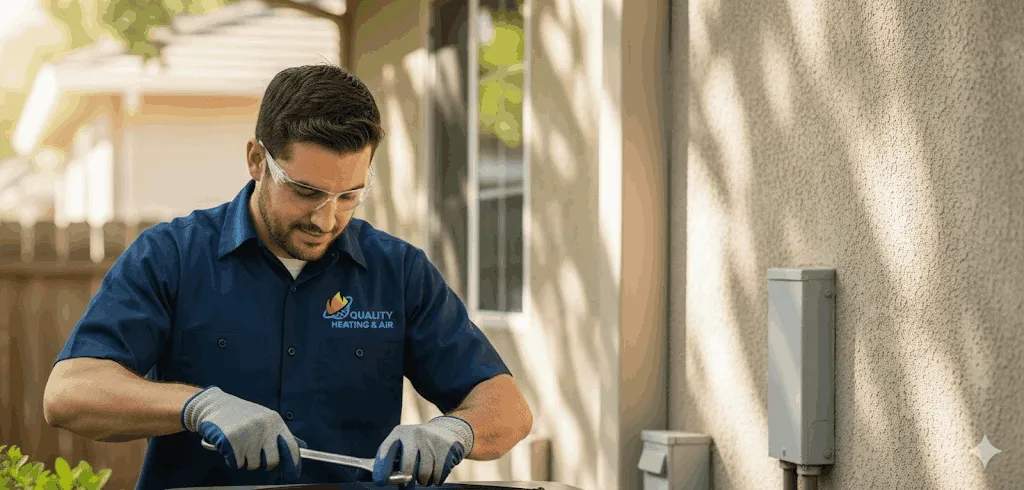
Furnace Repair in Lafayette, CO
Keeping your furnace running reliably is essential for Lafayette winters. With cold snaps, snow, and temperature swings common along the Front Range, furnace problems can quickly turn inconvenient or unsafe.
Why timely furnace repair matters in Lafayette
Lafayette experiences cold, dry winters and occasional deep-freeze nights. That combination increases runtime and stress on heating systems, raising the chance of component wear, ignition issues, and carbon monoxide hazards. Prompt repair restores comfort, improves efficiency, prevents secondary damage (like frozen pipes), and reduces safety risks. In higher-altitude areas like Lafayette, combustion tuning and venting also require careful attention to maintain safe, efficient operation.
Common furnace problems and failure signs in Lafayette homes
- No heat or intermittent heating: Furnace runs but produces little or no warm air. Often caused by ignition failure, failed gas valve, or clogged burners.
- Frequent cycling or short-cycling: Systems turn on and off rapidly due to airflow restrictions, dirty filters, or malfunctioning controls.
- Blower issues: Weak airflow, strange noises, or blower not running can indicate motor wear, failing capacitor, or belt problems.
- Ignition or pilot problems: Electronic ignitors and pilots can fail after many heating seasons, causing no-start conditions.
- Unusual noises: Rattling, banging, or squealing often point to loose components, failing bearings, or airflow obstructions.
- Higher-than-normal fuel use or bills: Loss of efficiency from dirty heat exchangers, poor combustion, or leaking ducts.
- Odors, soot, or visible corrosion: Signs of incomplete combustion or venting problems needing immediate attention.
- Carbon monoxide concerns: Any CO alarm activation, suspected leakage, or symptoms such as headaches and dizziness require immediate service.
Diagnostic procedures: what to expect
A thorough furnace diagnostic typically includes:
- Visual and safety inspection of burners, flame, heat exchanger, venting and combustion air paths for signs of leaks, corrosion, or blockages.
- Thermostat and control checks to verify signals, setpoints, and control board operation.
- Ignition system testing including ignitor, flame sensor, and pilot assessments.
- Gas supply and pressure check (for gas systems) to confirm safe and stable delivery.
- Blower and electrical testing to evaluate motors, capacitors, belts and electrical connections.
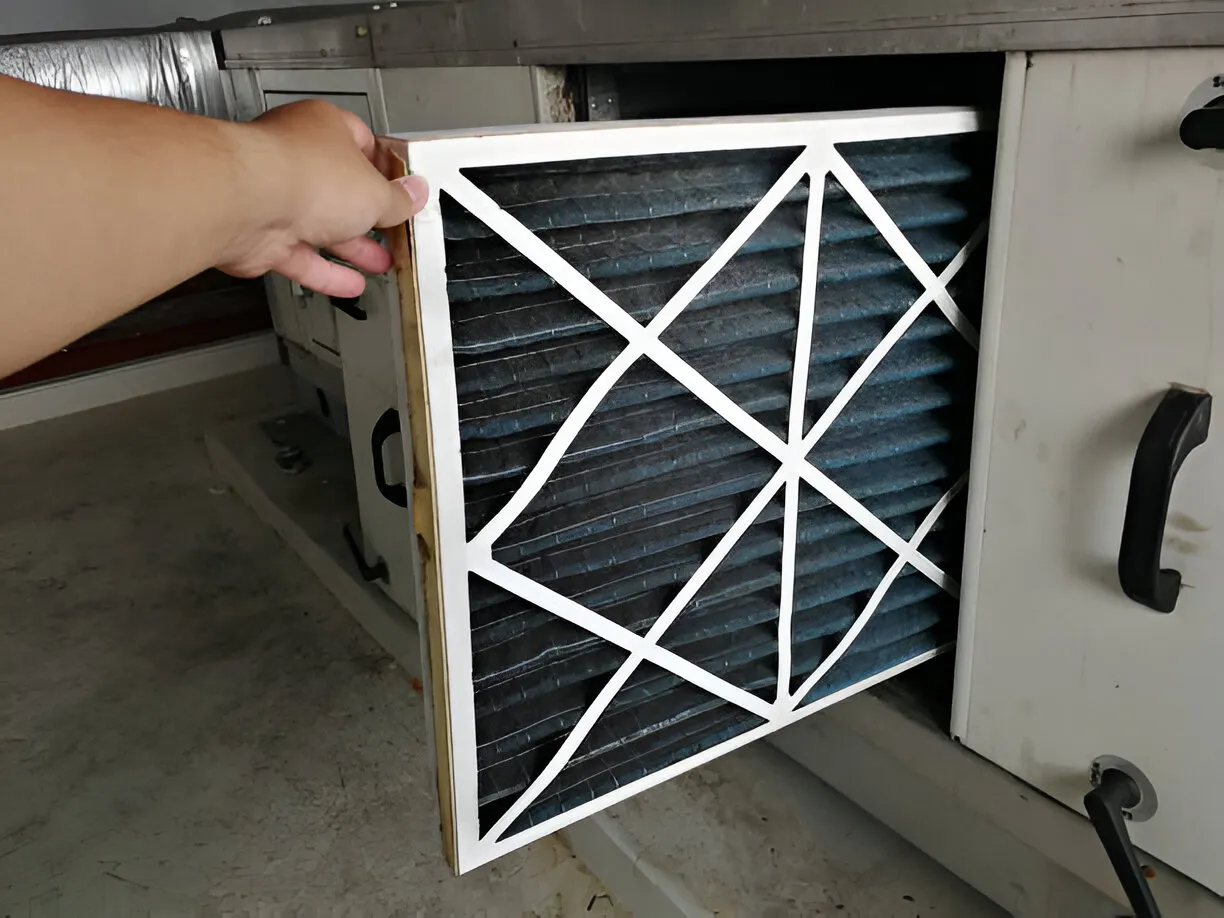
- Airflow measurement and filter inspection to identify restrictions that cause short-cycling or poor heat delivery.
- Combustion analysis and CO measurement to ensure safe combustion and venting, especially important at Lafayette elevations.
- Ductwork assessment to identify leaks, disconnected runs or insufficient insulation that reduce system effectiveness.
Technicians use this information to recommend targeted repairs versus replacement based on safety, remaining lifespan, and cost-effectiveness.
Repair options explained
- Component replacement: Common, cost-effective fix for items like ignitors, flame sensors, thermostats, blower motors, capacitors, limit switches and control boards.
- Cleaning and tune-up: Burner cleaning, filter replacement, and calibration often restore efficiency and reduce future failures.
- Venting and flue repair: Fixes for blocked or corroded vents, chimney liners, or improper draft issues to prevent unsafe combustion.
- Heat exchanger repair or replacement: Heat exchanger problems are serious due to CO risk; repair is sometimes possible but replacement is commonly recommended when cracked or severely corroded.
- System retrofit or upgrade: Replacing obsolete control boards, pilot assemblies, or adding sealed combustion components can improve safety and performance, particularly at higher elevations.
- Full system replacement: Considered when repair costs approach or exceed expected remaining life, or when efficiency gains and reliability from a new system outweigh repeated repairs.
Emergency response and service guarantees
In Lafayette winters, emergency furnace problems require rapid attention. Quality providers typically offer emergency response options and prioritize unsafe conditions such as confirmed CO leaks or total heating failure during severe weather. Expect clearly defined service guarantees from reputable technicians, such as workmanship warranties for repairs and transparent explanations of what the warranty covers (labor versus parts). When evaluating providers, confirm emergency availability windows, typical response expectations, and the scope of any repair guarantees.
Typical parts that fail and factors that influence repair decisions
Common parts replaced during furnace repair:
- Ignitors and flame sensors
- Gas valves and pilot assemblies
- Blower motors, belts and capacitors
- Limit switches and pressure switches
- Control boards and relays
- Heat exchanger (major repair/replacement)
- Inducer motors and draft components
- Thermostats and sensors
Repair decisions depend on factors such as system age, part availability, difficulty of access, overall system condition, energy efficiency goals, local fuel type, and safety concerns. In Lafayette, elevation and venting configurations also influence whether a repair or upgrade is the better long-term choice.
Scheduling, inspections and warranty considerations
- Scheduling: Many Lafayette-area providers offer same-day or next-business-day appointments for non-emergency diagnostics, with dedicated slots for emergency calls during winter peaks. Evening and weekend service availability varies by provider.
- Documentation: Keep a written copy of the diagnostic findings and repair estimates. Proper documentation simplifies warranty claims and helps future technicians understand prior work.
- Warranties: Manufacturer parts come with their own warranties; labor warranties are provided by service providers and vary in length and coverage. Verify whether warranties are transferable and what conditions (maintenance schedules, proper installation) must be met to keep warranties valid.
Prevention tips to reduce breakdown risk
- Replace filters regularly and use the correct MERV rating for your system.
- Schedule annual heating tune-ups before winter to catch wear and adjust combustion for elevation.
- Install and maintain carbon monoxide detectors on every floor and test them regularly.
- Keep vents, combustion air intakes and chimneys clear of snow and debris during storms.
- Seal and insulate ducts, especially in unconditioned spaces, to reduce runtime and stress.
- Maintain good attic and wall insulation to reduce system load and cycling.
- Change thermostat schedules gradually to avoid sudden spikes in runtime during freeze events.
Promotions
Save on seasonal system checks from a local team that treats your home like our own.

Testimonials
Neighbors trust Quality Heating & Air for honest work and fair pricing.