
Furnace Maintenance in Lafayette, CO
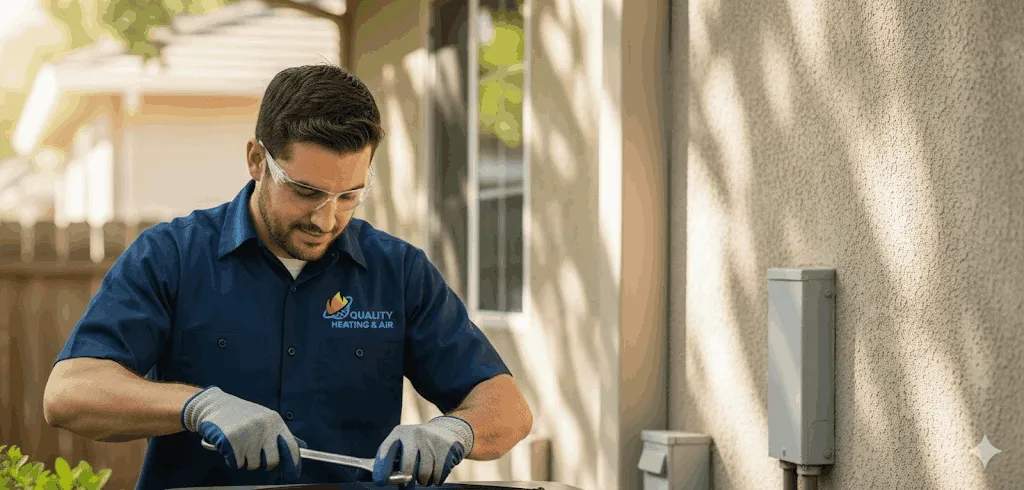
Furnace Maintenance in Lafayette, CO
Keeping your furnace well maintained is essential for safe, reliable heating during Lafayette winters. With cold nights, high elevation, and periodic wildfire smoke, homes in Lafayette place unique demands on heating systems. Routine furnace maintenance reduces costly breakdowns, improves efficiency, and addresses safety risks like carbon monoxide, making it the smart choice for homeowners preparing for winter.
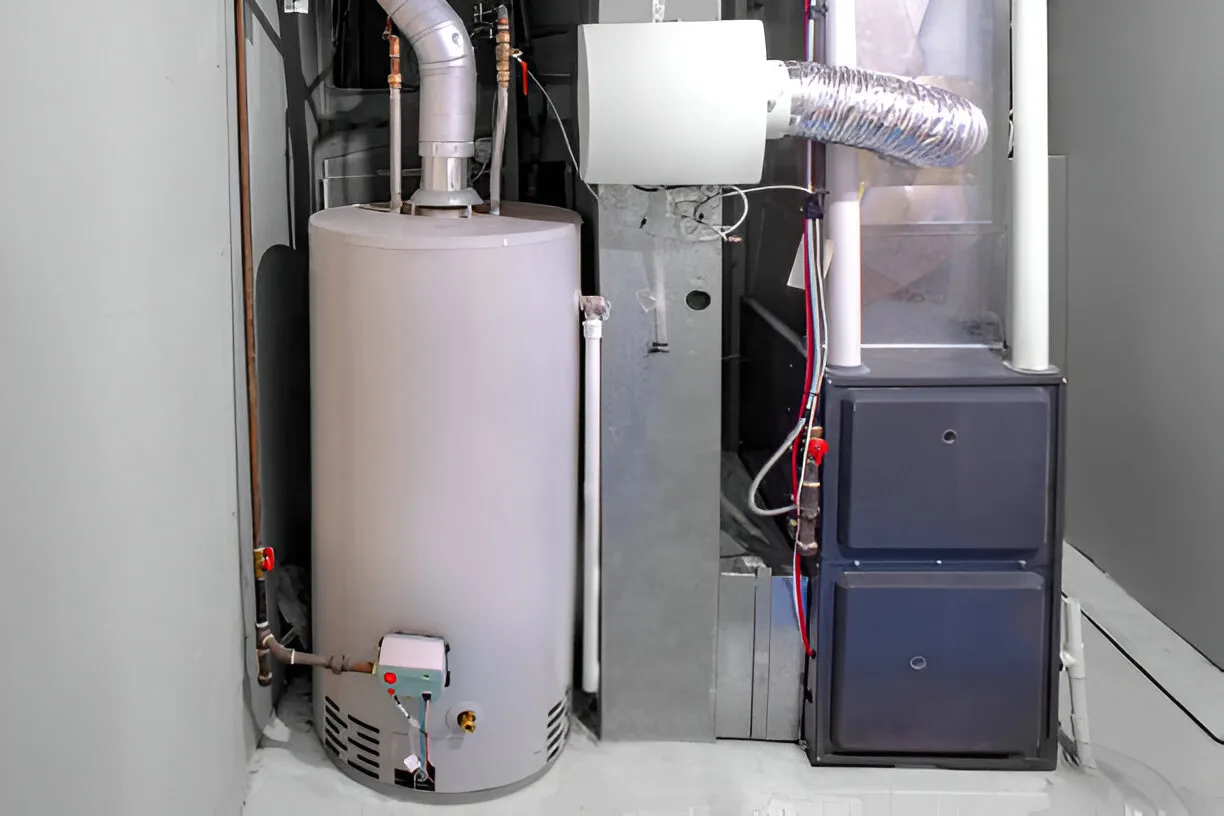
Common furnace issues in Lafayette, CO
- Clogged or dirty filters: The semi-arid climate and seasonal wildfire smoke can load filters quickly, restricting airflow and forcing the furnace to work harder.
- Ignition and pilot failures: Cold starts after long idle periods expose issues with ignition control or pilot assemblies.
- Dirty burners and poor combustion: Dust, soot, and altitude effects can change burner performance and combustion efficiency.
- Cracked heat exchanger: Thermal stress and age may lead to cracks, which create a serious carbon monoxide risk.
- Restricted vents or flues: Snow, debris, or animal nests can block outdoor vents; improper venting is especially hazardous at elevation.
- Blower motor and belt wear: Heavy seasonal use leads to worn motors, belts, or bearings that reduce airflow.
- Thermostat and control problems: Calibration drift or failing controls cause short cycling or uneven temperatures.
What professional furnace maintenance includes
A complete furnace maintenance visit for Lafayette homes addresses safety, performance, and efficiency. Typical services include:
- Seasonal inspection and operational check: A start-to-finish run test to observe system behavior under load and identify irregular noises or cycling.
- Filter inspection and replacement guidance: Checking filter condition and recommending the right type and replacement frequency for your home and local air quality.
- Combustion and safety checks: Visual inspection of burners, combustion analysis when appropriate, flue and venting inspection, and carbon monoxide testing to ensure safe operation at local elevation.
- Heat exchanger inspection: Looking for signs of corrosion, cracks, or stress that could allow combustion gases to enter living spaces.
- Burner cleaning and combustion tuning: Removing deposits and adjusting burners for efficient fuel use and clean combustion.
- Ignition system and control testing: Verifying reliable ignition, pilot operation, and safety shutoffs.
- Blower assembly cleaning and airflow verification: Cleaning blower wheels, testing motor condition, and measuring airflow to maintain effective heat distribution.
- Electrical inspection and tightening: Examining wiring, contacts, and capacitors to prevent failures caused by loose or corroded connections.
- Thermostat calibration: Checking setpoints and control responsiveness for accurate comfort and efficiency.
- Condensate and drain checks (high-efficiency units): Ensuring condensate drains and traps are clear to prevent water damage and system lockouts.
- Service report and recommendations: A concise report outlining findings, recommended repairs or upgrades, and maintenance schedule.
Diagnostic process: how a technician assesses your furnace
- Pre-inspection interview: Note homeowner-observed symptoms and recent changes such as unusual noises or increased bills.
- Visual and safety inspection: Check for debris, corrosion, vent blockages, and signs of combustion leaks.
- Operational tests: Run the system through multiple cycles to observe start-up, run behavior, and shutoff.
- Measurement and tuning: Measure temperature rise, gas pressure (if applicable), and combustion parameters where needed.
- Airflow and duct assessment: Evaluate return and supply air to detect restrictions or imbalance.
- Final review and written findings: Summarize conditions, necessary repairs, and recommended maintenance frequency.
Maintenance plans for Lafayette homeowners
Maintenance plans usually offer structured care to keep furnaces in top condition all year long. Common plan features include:
- Annual pre-winter inspection and tune-up to prepare systems before cold weather increases demand.
- Priority scheduling for plan members when urgent service is needed during peak season.
- Automated reminders that align with local seasonal needs, such as checks after heavy wildfire smoke events.
- A documented service history that helps track work performed and supports warranty requirements.
Plans can be tailored by furnace type, age, and household factors like pets, air quality needs, and occupancy patterns.
Recommended maintenance schedule for Lafayette
- Professional inspection and tune-up: once per year, ideally in early fall before heavy heating use.
- Filter changes: every 1 to 3 months, or more frequently during wildfire smoke events, if you have pets, or if the system sees heavy use. High-MERV media filters may require more frequent monitoring due to increased restriction.
- Mid-season check: consider a quick mid-winter check if your household experiences heavy continuous use or you notice performance changes.
- Condensing furnace care: annual condensate and trap checks are critical for high-efficiency systems.
Benefits of regular furnace maintenance
- Lower energy use and cost: A tuned system runs more efficiently, which reduces fuel consumption during long Lafayette winters.
- Fewer unexpected breakdowns: Routine inspections catch issues before they cause winter-time failures.
- Extended equipment life: Preventive care reduces wear on motors, bearings, and heat exchangers.
- Improved safety: Combustion checks and heat exchanger inspections reduce the risk of carbon monoxide exposure.
- Better indoor air quality: Clean filters and ductwork lower dust and allergen levels, which is important when wildfire smoke impacts outdoor air.
- Consistent comfort: Proper airflow, thermostat calibration, and balanced heating mean fewer cold spots and more reliable warmth.
Practical tips between professional visits
- Replace or inspect filters regularly and keep spare filters on hand during wildfire season.
- Keep supply registers and returns unobstructed by furniture or curtains.
- Ensure outdoor vents and combustion air intakes are clear of snow, leaves, and debris.
- Test carbon monoxide detectors monthly and replace batteries as needed.
- Note and document any unusual smells, soot, or operational changes and share them at the next inspection.
Regular furnace maintenance tailored to Lafayette’s weather and air quality conditions protects your comfort, safety, and investment. A well-maintained furnace runs cleaner, lasts longer, and helps you avoid costly emergency repairs during the coldest months.
Promotions
Save on seasonal system checks from a local team that treats your home like our own.

Testimonials
Neighbors trust Quality Heating & Air for honest work and fair pricing.