
Furnace Installation in Lafayette, CO
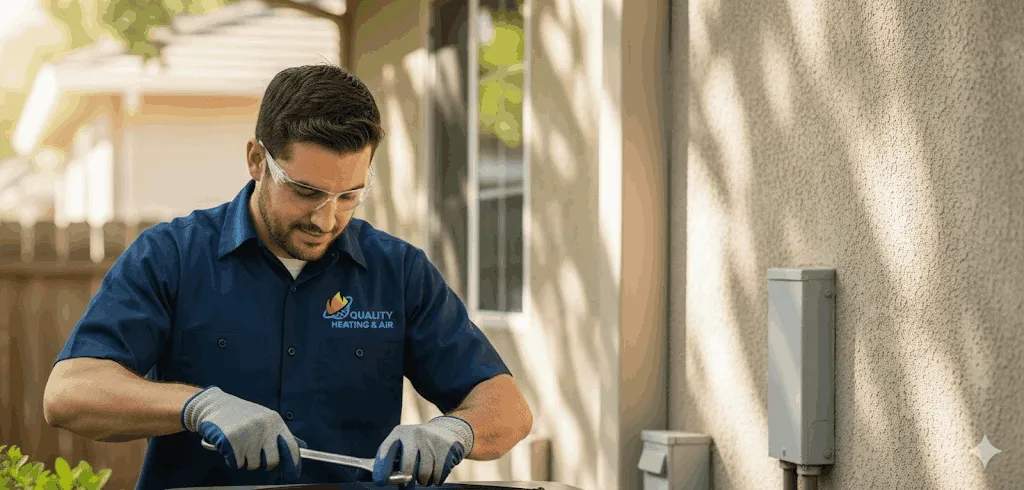
Furnace Installation in Lafayette, CO
Replacing or installing a new furnace is one of the most impactful upgrades you can make for year-round comfort and energy savings in Lafayette, CO. Whether your existing unit has failed, is inefficient, or you are building or renovating, a professional furnace installation addresses sizing, safety, code compliance, and long-term reliability.
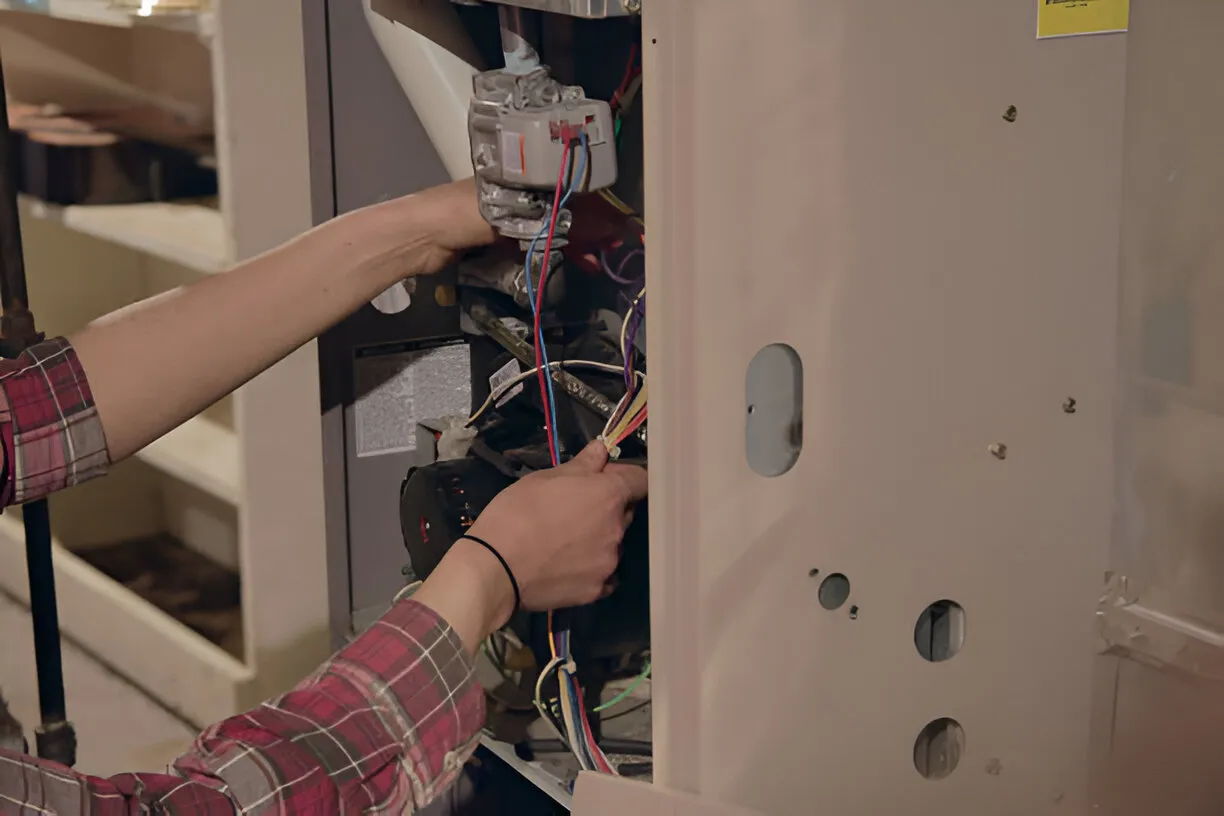
Why a proper furnace installation matters in Lafayette, CO
Lafayette homes experience cold winters and wide temperature swings between day and night. That means a correctly sized, well-installed furnace not only keeps your living spaces comfortable but also runs more efficiently and lasts longer. Improperly sized equipment or shortcuts during installation commonly cause short cycling, uneven heating, higher utility bills, and premature wear.
Common furnace installation needs and issues in Lafayette, CO
- Furnace replacement due to age, repair frequency, or failing heat exchangers
- Upgrading to a high-efficiency model to reduce natural gas use and utility costs
- Switching fuel types (electric to gas or adding a hybrid heat pump solution)
- Ductwork repairs or redesign to improve airflow and balance rooms
- Addressing combustion and venting problems worsened by elevation or blocked chimneys
- Adding zoning controls or smart thermostats for better comfort and efficiency
Home assessment and load calculations
A professional installation begins with a detailed home assessment:
- Inspection of existing ductwork, insulation levels, window performance, and thermostat location
- Measurement of conditioned square footage and evaluation of room-by-room needs
- A heating load calculation (commonly Manual J) to determine the exact capacity your home requires — not an estimate based on furnace age or square footage alone
- A selection analysis (Manual S) to match furnace performance to your home’s load, accounting for Lafayette’s colder design temperatures and elevation
Accurate load calculations prevent oversized or undersized systems, both of which reduce efficiency and comfort.
Equipment selection guidance
Choosing the right furnace includes several decisions:
- Fuel type: Natural gas is common in Lafayette, but high-efficiency electric heat pumps or propane options may be appropriate for some homes. Consider fuel availability and energy prices.
- AFUE rating: Higher AFUE numbers mean better fuel-to-heat efficiency. In Lafayette’s climate, a mid- to high-efficiency model often delivers the best balance of comfort and operating cost.
- Staging and modulation: Single-stage, two-stage, and modulating burners affect comfort and efficiency. Two-stage or modulating furnaces reduce temperature swings and operate more quietly.
- Compatibility: Match the furnace to your existing duct system and thermostat, or plan for duct upgrades and a modern control system.
- Altitude considerations: Lafayette’s elevation requires proper combustion tuning and, in some models, high-altitude kits or gas pressure adjustments to ensure safe, efficient operation.
Professional installation steps
A code-compliant installation typically follows these steps:
- Pre-install site preparation and protective measures for floors and furnishings
- Removal and safe disposal of the old furnace and any asbestos or hazardous components if present
- Placement of the new furnace, secure mounting, and leveling
- Duct connections, transition pieces, and any required duct sealing or modification to improve airflow
- Gas line connection and pressure testing by a licensed technician (or coordination with a licensed gas contractor when required)
- Proper venting or flue installation, including condensate piping if installing a high-efficiency condensing furnace
- Electrical hookup, control wiring, and thermostat integration
- Combustion air and ventilation checks, including fresh air provisions where required
Technicians will take measures to minimize dust, protect living areas, and follow safe handling procedures throughout.
Safety and code compliance checks
Installations in Lafayette must meet local building codes and state regulations:
- Permits and inspections through the City of Lafayette or Boulder County, as applicable
- Verification of correct clearances, venting, and combustion air per code
- Pressure testing of gas lines and checks for leaks
- Combustion and carbon monoxide testing to ensure safe operation after startup
- Proper labeling and documentation for the homeowner and for inspection records
Licensed installers ensure the job meets local code and that required permits and inspections are handled.
Post-installation testing and verification
After physical installation, a thorough startup and testing sequence confirms performance:
- Operational startup and multi-point safety checks
- Flue draft measurement and combustion efficiency testing, adjusted for elevation
- Static pressure and airflow verification against manufacturer specifications
- Thermostat calibration and zoning checks if applicable
- Carbon monoxide level checks in the equipment area and sample registers
- A final homeowner walk-through explaining controls, filters, and recommended maintenance
These steps ensure your system runs safely, efficiently, and as designed.
Warranty coverage and documentation
A proper installation includes warranty considerations:
- Manufacturer’s warranty on the furnace and major components — length varies by model and registration status
- Labor or workmanship warranty covering the installation itself, often provided by the installing contractor
- Importance of registering the equipment with the manufacturer and keeping documentation to preserve warranty rights
- Regular maintenance requirements spelled out in warranty terms to avoid voiding coverage
Keep all documentation and maintenance records in a safe place.
Timeline expectations
- Straightforward furnace replacements in most Lafayette homes can often be completed in one day once permits are issued.
- Jobs that require duct redesign, electrical upgrades, or complex venting can take two days or more.
- Permit and inspection timing varies by municipality; allow extra time for approvals and scheduling final inspections.
- Emergency or off-season scheduling may affect availability, especially before and during cold snaps.
Long-term benefits and maintenance tips
- Properly sized and installed furnaces provide more consistent comfort, lower fuel costs, and longer equipment life.
- Improve performance with seasonal maintenance: annual professional tune-ups and quarterly filter changes or more often for high-use systems.
- Consider adding a programmable or smart thermostat, sealing and insulating ducts, and improving attic insulation to maximize savings.
- Regular CO alarm checks and following manufacturer maintenance keep your home safe and the warranty intact.
A quality furnace installation in Lafayette, CO delivers dependable warmth through the cold months while optimizing efficiency and safety. With correct sizing, careful attention to altitude and local codes, and professional testing and documentation, your new heating system will serve your home reliably for years.
Promotions
Save on seasonal system checks from a local team that treats your home like our own.

Testimonials
Neighbors trust Quality Heating & Air for honest work and fair pricing.