
Furnace Service in Commerce City, CO
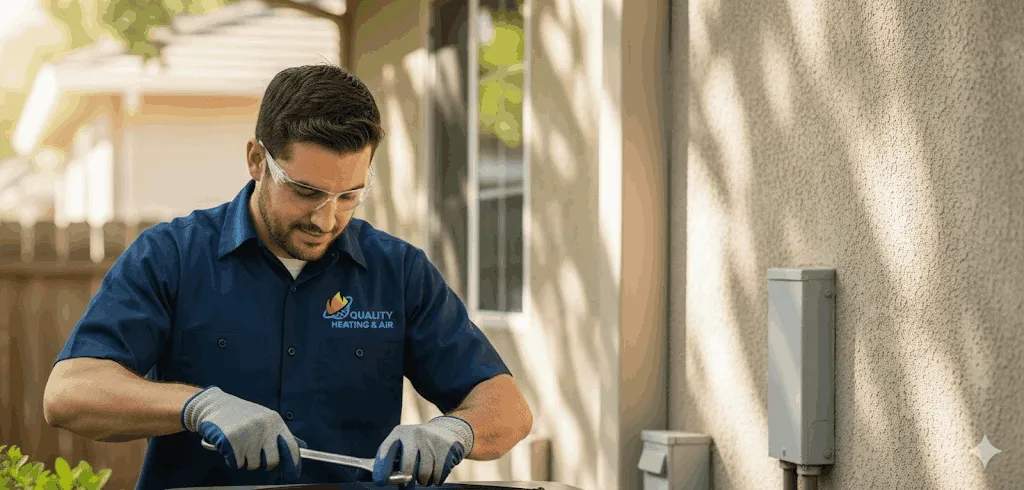
Furnace Service in Commerce City, CO
A reliable furnace is essential for Commerce City homes where cold, dry winters and occasional temperature swings put heating systems under steady demand. Timely furnace service reduces breakdown risk, improves safety, lowers energy costs, and keeps indoor air quality at healthier levels. This page explains the furnace service options available in Commerce City, CO, the common local issues homeowners face, what to expect during diagnostics and repairs, and how ongoing service plans and bundles protect your heating investment.
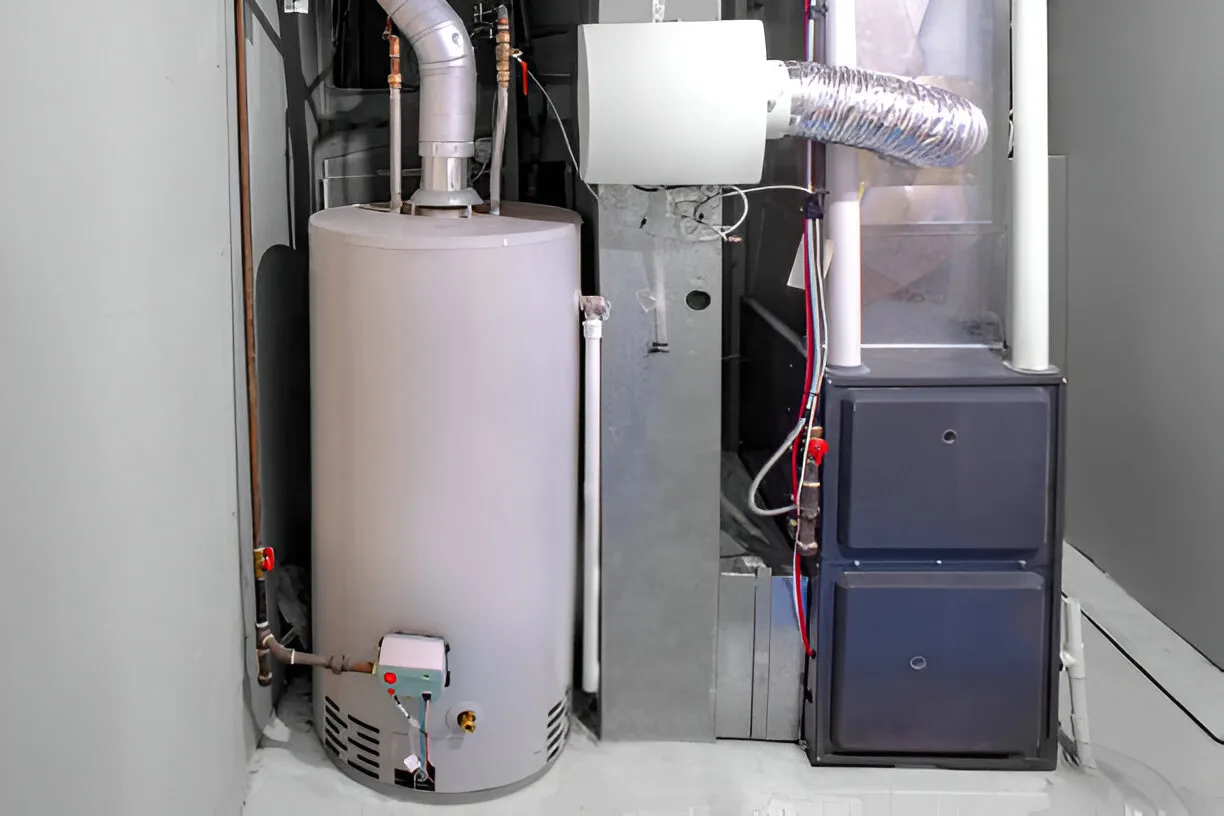
Common furnace issues in Commerce City homes
Commerce City’s climate and regional conditions create a handful of frequently seen problems:
- Dust and pollen buildup: The Front Range winds and drier air bring dust into return ducts and filters, restricting airflow and stressing blowers.
- Thermostat and control failures: Wide temperature swings can expose aging thermostats and control boards to frequent cycling, increasing wear.
- Ignition and burner trouble: Condensing and non-condensing furnaces can experience pilot, ignition, or flame sensor issues after long idle periods.
- Reduced efficiency and rising fuel use: Clogged filters, dirty burners, or failing components often cause higher gas consumption and uneven heat.
- Safety concerns: Cracked heat exchangers and improper venting risk carbon monoxide exposure—especially important to address before peak heating season.
Understanding these local tendencies helps target inspections and maintenance for better performance and safety.
Furnace service options and what they include
Service offerings are designed to cover routine upkeep through emergency repairs:
- Routine inspections and preventive maintenance
- Visual and operational checks of burners, ignition, flame sensors, and heat exchanger
- Cleaning or replacing filters, burners, and accessible components
- Lubrication of motors and moving parts where applicable
- Flue and vent integrity check and basic combustion analysis
- Performance check and reporting with recommended actions
- Diagnostic services
- System-wide fault isolation using diagnostic tools and code checks
- Electrical and control board testing
- Combustion and safety testing to detect leaks, blockages, or unsafe operation
- Itemized diagnostics report explaining findings and repair options
- Minor repairs and component replacements
- Thermostat recalibration or replacement
- Igniter, flame sensor, or pilot assembly replacement
- Blower motor repairs, capacitor replacement, belt replacement
- Limit switches, pressure switches, and basic control parts
- Filter upgrades and media replacement (standard and higher MERV options)
- Emergency call-outs
- Rapid response for loss of heat, suspected gas odor, or carbon monoxide alarm activation
- Priority diagnostics and temporary safe-shutdown measures until permanent repairs are completed
Diagnostic and service process — what to expect
A clear, consistent process helps homeowners know the likely steps when technicians arrive:
- Initial assessment and safety check: Verify ventilation, gas connections, and presence of carbon monoxide detectors.
- System-wide inspection: Evaluate burners, ignition, blower, controls, duct connections, and thermostat operation.
- Targeted diagnostics: Use meters and combustion analyzers to measure safety and efficiency metrics.
- Repair plan and transparent estimate: Present the problem, repair options, cost breakdown, and expected timelines.
- Repair and verification: Complete approved repairs, run system through cycles, and provide a post-service checklist.
Technicians document findings and leave a summary that explains what was fixed, why it mattered, and recommended follow-up.
Service plans and transparent pricing
Ongoing service plans are essential in Commerce City where seasonal extremes place consistent demand on heating systems. Typical plan features:
- Scheduled twice-yearly tune-ups (fall furnace inspection plus spring HVAC check)
- Priority scheduling and reduced diagnostic fees for plan members
- Discounted labor and parts for covered repairs
- Seasonal safety checks and filter replacement reminders
- Detailed, itemized invoices with labor, parts, and diagnostic fees shown separately
Transparent pricing practices include upfront estimates, written scopes of work before repairs, and clear explanations of optional versus recommended services. Estimates distinguish between temporary fixes and long-term solutions to help homeowners make informed decisions.
Technician qualifications and safety standards
Qualified technicians matter for performance and safety. Look for technicians who are:
- NATE-certified or similarly credentialed for HVAC service
- Licensed for gas appliance service and local code compliance
- Trained on modern high-efficiency and condensing furnace technologies
- Equipped for safe combustion testing and carbon monoxide diagnostics
Technicians follow safety protocols: checking for gas leaks, verifying proper flue draft, and confirming carbon monoxide detectors are operational. Work is documented for homeowner records and warranty purposes.
When to repair vs replace
Deciding between repair and replacement depends on system age, repair frequency, and efficiency goals:
- Repair is often appropriate for single, low-cost component failures on systems under 10-12 years old that have been well maintained.
- Replacement is usually recommended if the furnace is older than 12-15 years, requires frequent costly repairs, or if overall efficiency is poor relative to current standards.
- Safety-related failures such as a cracked heat exchanger should be evaluated urgently; in many cases replacement is safer and more cost-effective long term.
Technicians provide a clear comparison of expected lifespan, energy savings, and cost implications to support an informed choice.
Bundling and ongoing system care
Bundling furnace service with other HVAC needs improves convenience and system performance:
- Combine furnace tune-ups with central AC inspections to ensure year-round reliability
- Add indoor air quality checks and filter upgrades to address Commerce City’s dust and pollen
- Include water heater and boiler maintenance for homes with multiple heating systems
Bundled plans reduce administrative overhead and often provide better value while keeping all systems aligned for efficiency.
Practical maintenance tips for Commerce City homeowners
Small, regular actions extend system life and comfort:
- Replace or clean filters every 1-3 months; consider higher-efficiency filters if dust is prevalent
- Keep return vents and registers unobstructed to maintain airflow
- Maintain clearance around furnace and ensure exterior vents are unobstructed, especially after windstorms or snow
- Test carbon monoxide detectors monthly and replace batteries as needed
- Schedule a professional inspection before the cold season begins
Timely maintenance optimizes performance, reduces emergency calls, and preserves indoor air quality.
Why timely furnace service matters
Regular, professional furnace service in Commerce City improves safety, lowers operating costs, and extends equipment life. Preventive care reduces the likelihood of midwinter failures, helps maintain warranty compliance, and ensures your home heats evenly and efficiently when temperatures drop. Documented service history also supports resale value and can make replacement planning predictable rather than reactive.
Consistent, professional service tailored to Commerce City conditions—dusty air, temperature swings, and local code requirements—keeps heating systems safe, reliable, and energy efficient through every season.
Promotions
Save on seasonal system checks from a local team that treats your home like our own.

Testimonials
Neighbors trust Quality Heating & Air for honest work and fair pricing.