Furnace Repair in Commerce City, CO
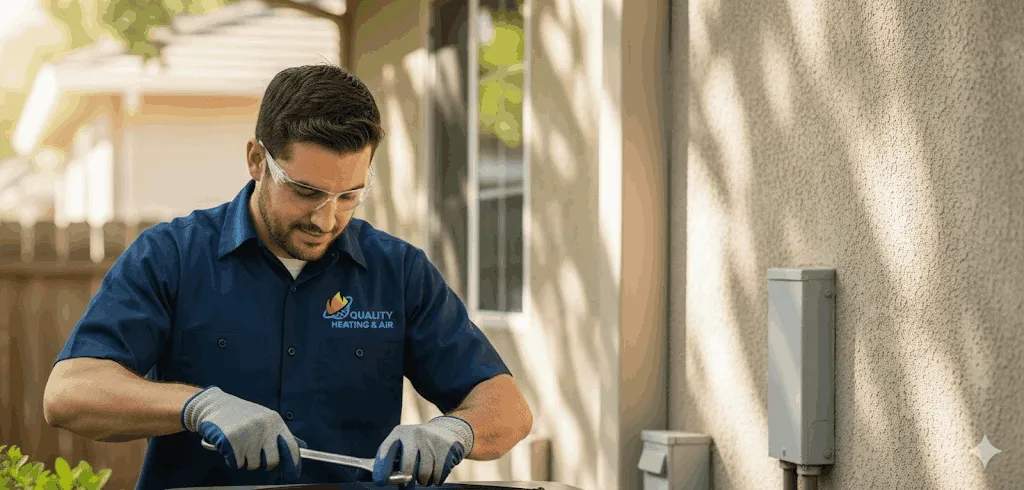
Furnace Repair in Commerce City, CO
When your furnace fails in Commerce City, CO, it is more than an inconvenience. With cold Front Range winters and frequent temperature swings, a malfunctioning furnace can quickly affect comfort, safety, and energy bills. Professional furnace repair focuses on fast, accurate diagnostics, safe repairs, and clear guidance on whether a repair or replacement is the most practical choice for your home.
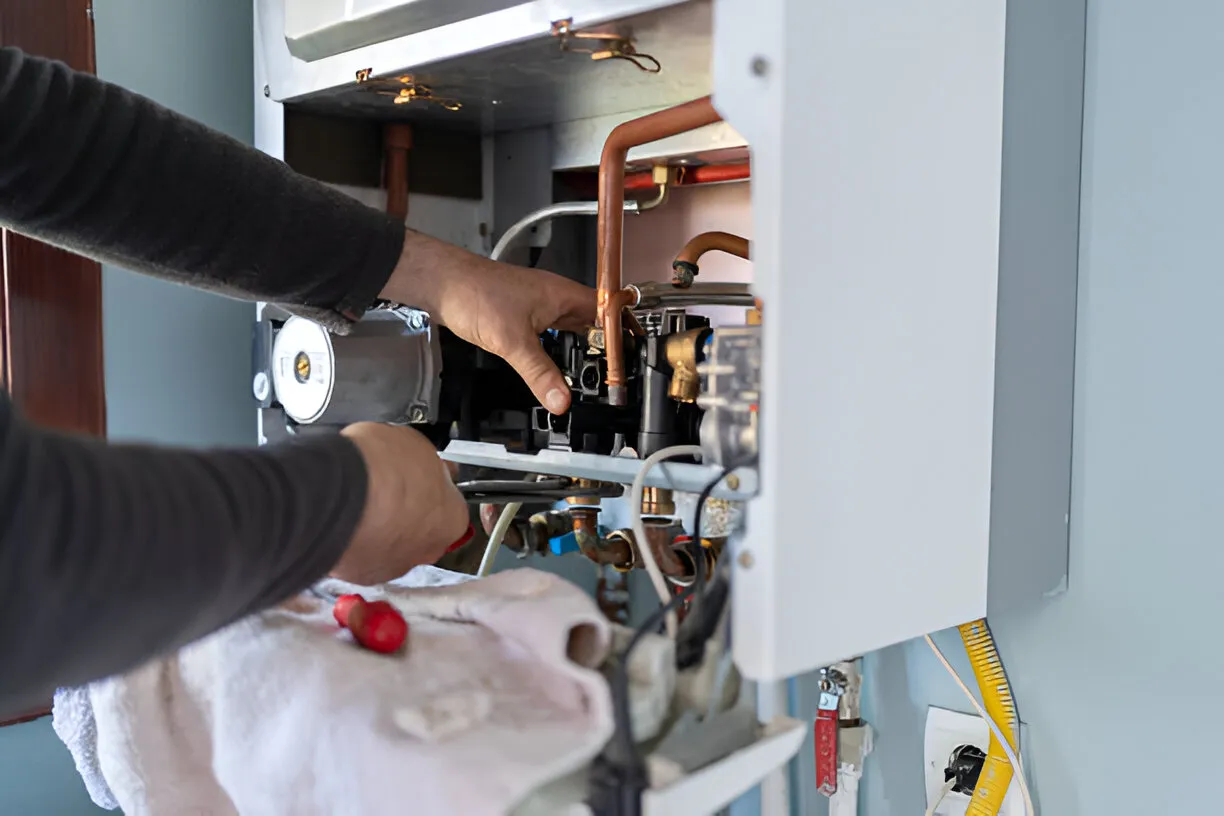
Why timely furnace repair matters in Commerce City homes
Commerce City experiences cold, dry winters and sudden drops in temperature that put extra stress on heating systems. Furnaces that are neglected or operated while malfunctioning can:
- Run inefficiently and increase gas or electric use
- Fail unexpectedly on the coldest nights
- Produce dangerous carbon monoxide from incomplete combustionTimely diagnostics and repair protect comfort, lower operating costs, and reduce safety risks.
Common furnace problems we see in Commerce City
Most residential furnace failures fall into a few predictable categories. Knowing the symptoms helps prioritize repairs.
- Ignition or ignition control failures
- Symptoms: Furnace tries to start but does not fire, repeated clicking, or long start delays.
- Causes: Faulty hot surface ignitor, ignition control board, or wiring issues.
- Pilot light or gas valve problems
- Symptoms: Pilot will not stay lit, or burner will not light even though gas is present.
- Causes: Clogged pilot orifice, faulty thermocouple, or a failing gas valve.
- Blower motor and airflow issues
- Symptoms: Furnace runs but warm air is weak or non-existent; unusual noises from the air handler.
- Causes: Worn blower motor, bad capacitor, clogged filters, blocked return vents, or duct leaks.
- Thermostat and control faults
- Symptoms: System does not respond to thermostat settings, short cycling, or inconsistent temperatures.
- Causes: Calibration issues, low batteries, wiring faults, or a failing thermostat.
- Safety and combustion concerns
- Symptoms: Yellow burner flame, soot, unusual odors, or elevated carbon monoxide readings.
- Causes: Incomplete combustion, cracked heat exchanger, or blocked venting.
24/7 emergency diagnostics and what to expect
Emergency furnace diagnostics are critical during nights or severe cold. A typical emergency diagnostic includes:
- Arrival and safety perimeter check.
- Visual inspection of flame, venting, wiring, and filters.
- Power and gas supply verification and thermostat check.
- Combustion and carbon monoxide testing to detect unsafe operation.
- Identification of faulty components and a clear repair estimate.
Emergency diagnostics aim to stabilize operation first and then address root causes. When safety risks are present, the system is shut down until repairs or further evaluation are completed.
Step-by-step repair procedure (typical)
Repairs follow a structured process so you know the sequence and safety measures taken.
- 1. Initial diagnostics
- Confirm symptoms, read error codes, and perform combustion and CO testing.
- 2. Isolate and secure the system
- Turn off power and gas when needed; establish a safe work area.
- 3. Component-level inspection
- Inspect ignition system, pilot assembly, gas valve, blower assembly, filters, and control boards.
- 4. Repair or replace faulty parts
- Replace the specific failed parts. Where possible, repair wiring or clean components to restore function.
- 5. Reassemble, restart, and calibrate
- Restore power and gas, restart the furnace, and calibrate the thermostat and control settings.
- 6. Post-repair safety testing
- Run the furnace through multiple cycles, recheck combustion, measure CO, and verify proper airflow and temperature rise.
Parts replacement options explained
When replacement is required, homeowners generally choose between OEM parts and quality aftermarket components.
- OEM parts
- Match original performance and compatibility. Preferred for newer systems still under warranty.
- Aftermarket parts
- Often less costly and can be higher-performance for certain components. Reliable options are available but require compatibility verification.
Common replacement parts include ignitors, control boards, gas valves, pilot assemblies, blower motors, capacitors, limit switches, and thermostats. Technicians will recommend options based on system age, warranty considerations, and long-term performance goals.
Transparent estimates and timeframe expectations
Repairs begin with a clear diagnostic estimate. Typical timeframe guidelines:
- Diagnostic visit: 30 to 90 minutes, depending on access and complexity.
- Minor repairs (ignitor, sensor, thermostat): Often completed within 1 to 3 hours.
- Major component replacements (blower motor, control board, gas valve): Can take 2 to 6 hours; same-day completion is common when parts are in stock.
- Parts ordering: If a part must be ordered, expect 1 to 3 business days for delivery in the Commerce City area; expedited options may be available.
Estimates should include labor scope, recommended parts with options, and safety testing steps. Transparent communication prevents surprises and helps weigh repair versus replacement decisions.
Safety checks, including carbon monoxide testing
Safety is central to any furnace repair. Important checks performed after repair include:
- Visual inspection for cracks or corrosion in the heat exchanger
- Proper burner flame pattern and combustion efficiency testing
- Carbon monoxide testing at the furnace and in occupied spaces
- Venting and flue integrity checks to ensure proper exhaust
- Confirmation of working safety controls such as limit switches and flame sensors
If tests detect elevated carbon monoxide or a compromised heat exchanger, continued operation can be hazardous and replacement is often the safest choice.
When repairs are preferable to replacement — and when to replace
Repair is usually the right choice when:
- The furnace is under 10 years old and the issue is an isolated, low-cost failure.
- The system has a clean maintenance history and no safety defects.
- Repair cost is modest relative to the remaining expected life.
Consider replacement when:
- The furnace is more than 15 years old and efficiency is poor.
- Repairs would exceed a significant portion of the value of a new system.
- There are repeated breakdowns, a cracked heat exchanger, or persistent combustion issues.
- You want improved energy efficiency and modern controls for long-term savings.
Making the repair versus replace decision should weigh safety, remaining equipment life, energy efficiency, and the cost trajectory of future repairs.
Long-term benefits of timely furnace repair and maintenance
Prompt, professional furnace repair restores comfort, reduces energy waste, and improves safety. Regular maintenance after repairs helps prevent repeat failures, extends equipment life, and maintains operating efficiency—important for Commerce City homeowners who rely on dependable heat through cold snaps and winter storms.
This page outlines the process, safety measures, and decision points you should expect when arranging professional furnace repair in Commerce City, CO, so you can make an informed, confident choice for your home.
Promotions
Save on seasonal system checks from a local team that treats your home like our own.

Testimonials
Neighbors trust Quality Heating & Air for honest work and fair pricing.