
Furnace Replacement in Northglenn, CO
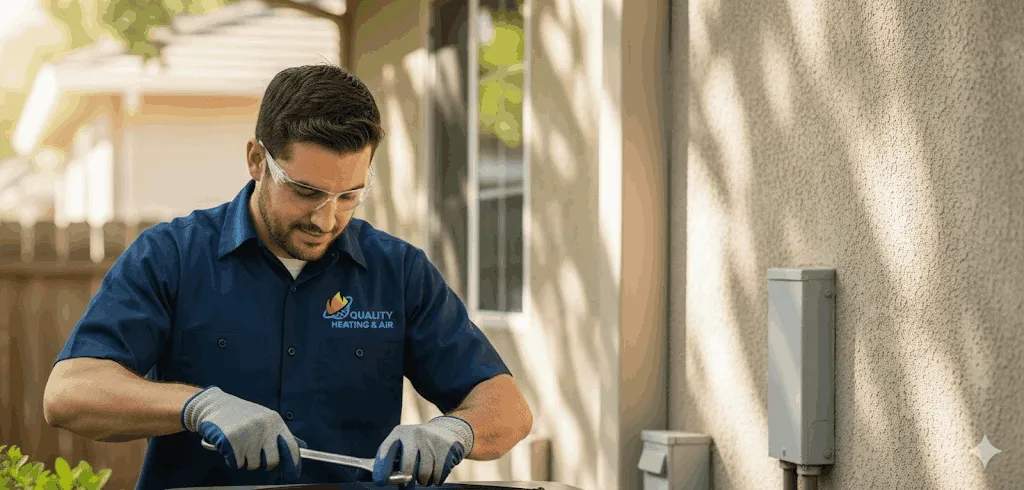
Furnace Replacement in Northglenn, CO
Upgrading your furnace is one of the most effective ways to improve winter comfort and reduce heating costs in Northglenn, CO. With long, cold winters, older or improperly sized furnaces can leave homes unevenly heated, raise utility bills, and increase the risk of breakdowns during peak demand.
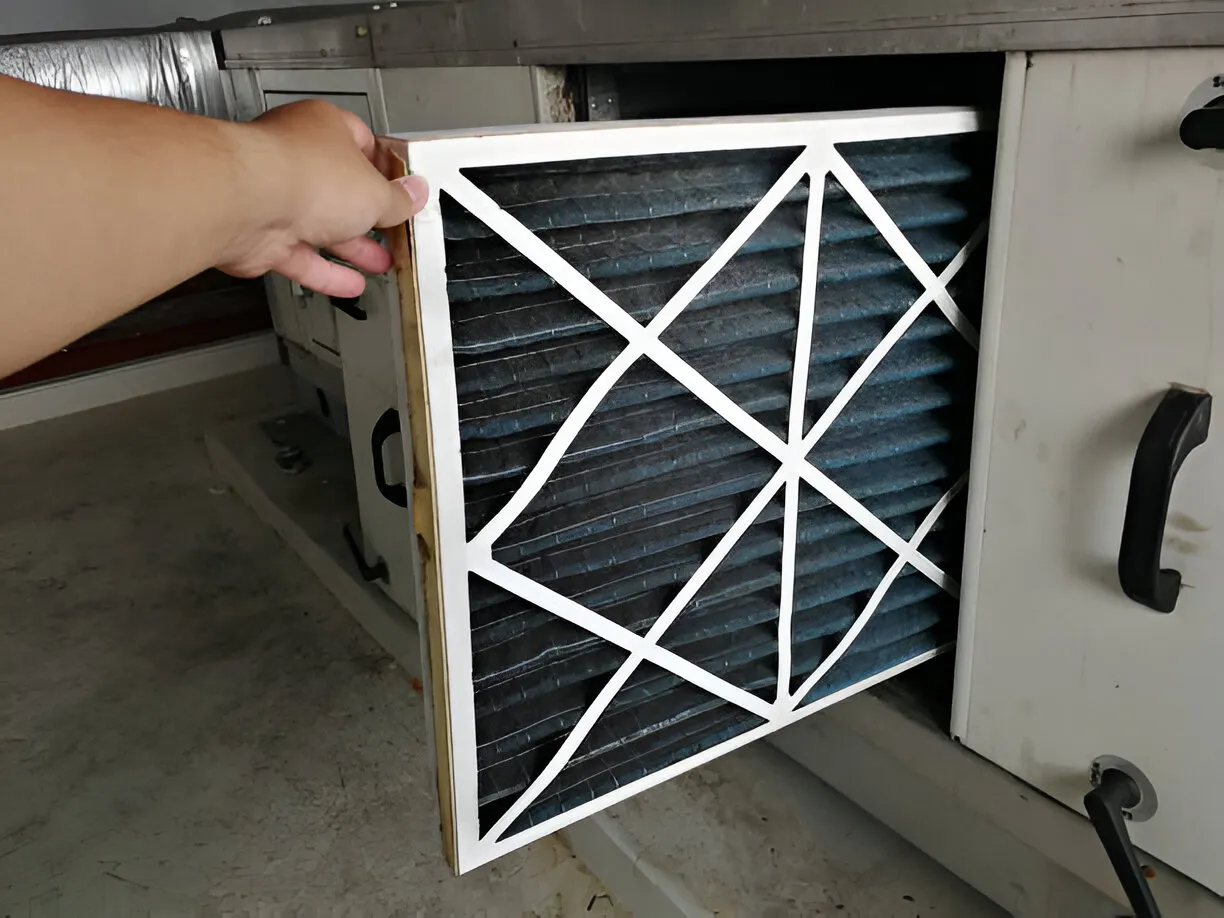
Why replace your furnace now? Common signals in Northglenn homes
- Age and performance drop: Furnaces older than 15 years typically lose efficiency and reliability.
- Rising energy bills: A significant, unexplained increase in winter heating costs often means the system no longer operates efficiently.
- Frequent repairs: Repeated callouts are signs replacement will be more cost-effective than continued repairs.
- Uneven heating and short cycling: Poor comfort and frequent on/off cycles usually point to incorrect sizing or failing components.
- Safety and compliance concerns: Cracked heat exchangers, excess carbon monoxide risk, or outdated venting require immediate professional attention.
Types of replacement options homeowners consider
- High-efficiency gas furnaces (condensing) — Best for maximum fuel savings; higher AFUE ratings.
- Mid-efficiency gas furnaces — Lower upfront cost but less efficiency.
- Electric furnaces — Simpler installation where gas is not available, but typically higher operating costs.
- Hybrid systems & paired heat pumps — Combine heat pump efficiency with a furnace for very cold snaps common to Colorado winters.
System evaluation and correct sizing
Proper sizing is essential for comfort and efficiency. Technicians perform a heating load calculation (Manual J) that accounts for:
- Home size, layout, insulation levels, window types, and recent upgrades
- Local climate factors in Northglenn including typical winter temperatures and temperature swings
- Home elevation and air density, which can affect combustion and venting performance
A ductwork evaluation (Manual D and static pressure testing) checks for leaks, undersized runs, or poor airflow that will undermine any new furnace’s performance. The result is a recommendation for the appropriately sized furnace and any necessary duct improvements.
Energy-efficient model recommendations for Northglenn, CO
- Look for high AFUE ratings (higher percentages mean more heat from the same fuel).
- Consider modulating or two-stage burners for better temperature control and reduced cycling in variable Colorado winter conditions.
- Verify venting compatibility—at local elevations, proper venting and combustion air design are critical.
- Match the furnace with appropriate thermostat controls (programmable or smart thermostats) to optimize run cycles and energy use.
Financing and rebate options
Many homeowners offset replacement costs through a combination of:
- Local utility rebates geared toward high-efficiency equipment (availability and amounts vary by provider)
- Manufacturer rebates and seasonal promotions for qualifying models
- Low-interest financing or payment plans offered by lenders or equipment dealers
- Tax incentives sometimes available for energy-efficient upgrades—eligibility should be confirmed for your project
Technicians typically provide an estimate that includes potential rebate and financing pathways and explain how to document installations for rebate or tax filings.
Step-by-step installation process and timeline
- Pre-install inspection and permitting: Site visit, load calculations, ductwork assessment, and securing required permits.
- Removal of the old unit: Safe disconnection of gas, electrical, and venting systems and responsible disposal of the old furnace.
- Ductwork and vent prep: Repairs, sealing, or resizing ducts and ensuring proper venting and combustion air at Northglenn elevations.
- Install new furnace: Positioning, gas line connection, electrical hook-up, secure venting, and condensation drain installation for condensing units.
- System start-up and testing: Combustion analysis, airflow and static pressure checks, thermostat programming, and safety verifications.
- Homeowner walkthrough and documentation: Instructions on operation, maintenance, and warranty paperwork.
Typical installations for straightforward replacements are completed in one day. Complex projects (duct redesign, structural work, or permit/inspection scheduling) may take one to two days or longer.
Cleanup expectations and post-install checks
- The work area should be left clean and safe, with the old unit removed.
- Filters should be installed and initial settings documented.
- Technicians should provide startup readouts (temperature rise, combustion measurements) and explain maintenance frequency.
- Keep all warranty and registration documents in a safe place for future claims.
Warranty details to confirm before you buy
- Manufacturer parts warranty: Often 5 to 10 years for major components; check exact terms for the model selected.
- Labor or workmanship warranty: Varies by installer; confirm length and coverage scope.
- Extended warranties or maintenance plans: May be available to protect major repairs and annual tune-ups.
Always register the equipment with the manufacturer after installation and keep copies of invoices and service records for warranty support.
Selecting equipment to lower utility bills
- Choose the highest AFUE that fits your budget and pay attention to real-world efficiency based on proper sizing and duct health.
- Prioritize tight duct sealing and insulation—a well-sealed distribution system is often as important as the furnace itself.
- Use a programmable or smart thermostat to reduce run time during unoccupied hours.
- Consider zoning or improved insulation if your home has chronic hot/cold spots common in many older Northglenn houses.
Maintenance recommendations after replacement
- Schedule an annual heating tune-up before winter; this preserves efficiency and validates warranty conditions.
- Replace or clean filters regularly (monthly to quarterly, depending on filter type and household conditions).
- Monitor for unusual noises, cycling behavior, or sudden spikes in energy use and address them promptly.
Replacing a furnace in Northglenn, CO is an investment in comfort, safety, and long-term energy savings. When properly sized, installed, and maintained—with attention to local climate and elevation factors—a modern furnace can deliver reliable warmth while lowering winter utility bills and improving home comfort.
Promotions
Save on seasonal system checks from a local team that treats your home like our own.

Testimonials
Neighbors trust Quality Heating & Air for honest work and fair pricing.