Furnace Maintenance in Northglenn, CO

Furnace Maintenance in Northglenn, CO
Keeping your furnace well maintained is one of the most important steps you can take to protect comfort, safety, and energy costs in Northglenn, CO. With cold Front Range winters, high elevation effects on combustion, and seasonal dust and wildfire smoke that increase indoor particulates, a carefully executed furnace maintenance plan prevents breakdowns, assures safe operation, and helps systems run at peak efficiency throughout the heating season.
Why routine furnace maintenance matters in Northglenn
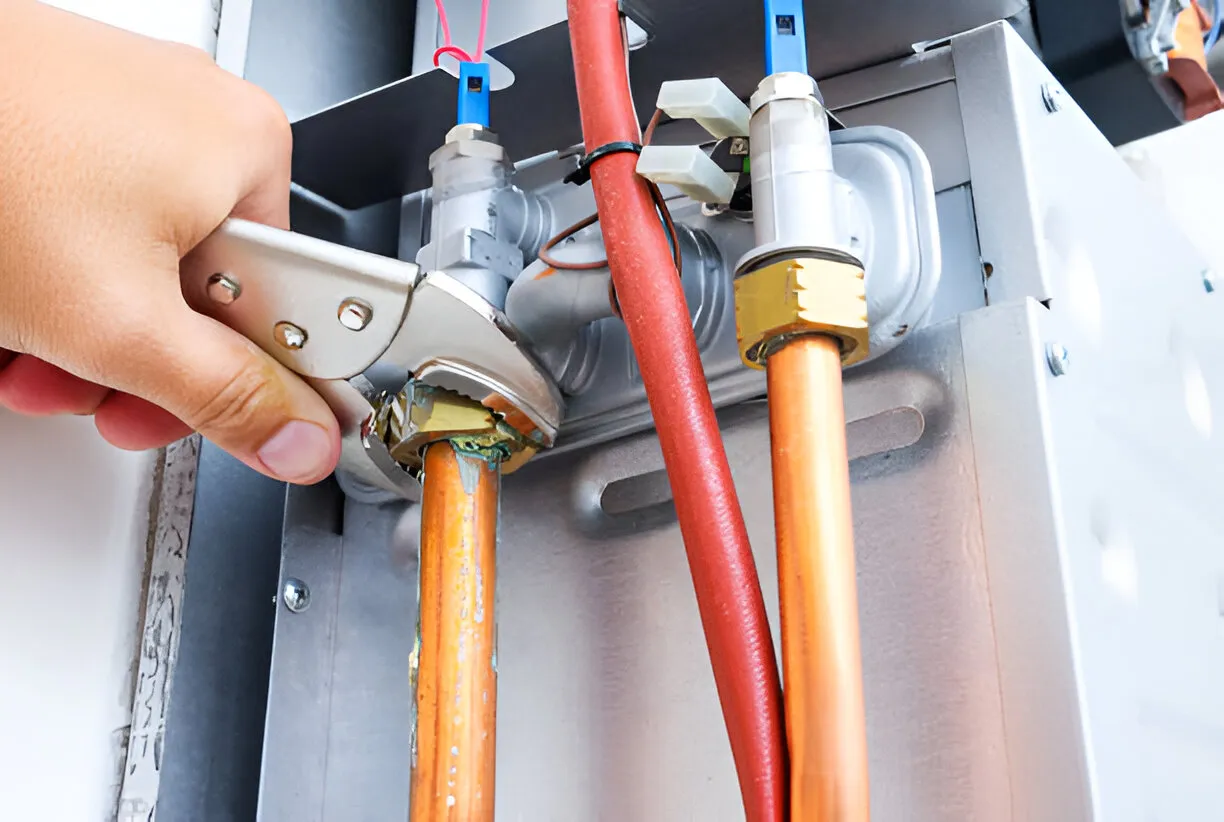
Homes in Northglenn experience long heating seasons and large temperature swings between day and night. Those conditions place extra strain on gas and electric furnaces. Regular maintenance:
- Improves heating efficiency so your system uses less fuel or electricity
- Reduces the risk of mid-winter breakdowns when repair response may be slower
- Identifies safety hazards early, including cracked heat exchangers and dangerous carbon monoxide risks
- Extends equipment life and helps preserve warranties through documented tune-ups
Common furnace problems we address in Northglenn homes
Residents commonly call for service for these issues—most are preventable with routine maintenance:
- Dirty or clogged filters causing reduced airflow, short cycling, and higher bills
- Yellow or failing burner flames and ignition problems from sooting or misadjustment
- Noisy operation from worn bearings, loose panels, or imbalanced blower wheels
- Uneven heating or rooms that don’t reach set temperatures due to airflow or thermostat issues
- Elevated carbon monoxide readings or blocked/flawed venting caused by snow, ice, or debris
- Reduced efficiency from dirty heat exchangers, coils, or restricted flue paths
What a comprehensive seasonal inspection includes
A full furnace maintenance visit typically covers visual inspections, cleaning, adjustments, and testing to ensure safe, efficient operation. Key tasks include:
- Filter check and recommendation: inspect current filter, replace or advise on MERV level. In Northglenn, filters often need changing more frequently during dusty periods and wildfire smoke events.
- Combustion and safety checks: inspect the heat exchanger for cracks or corrosion, test safety limits and high-limit switches, and verify proper operation of gas valves and pressure regulators.
- Ignition and burner service: clean burners, test ignition system or pilot assembly, and ensure correct flame pattern and color.
- Blower assembly and motor: clean blower wheel, check motor bearings, lubricate where appropriate, and tighten mounting hardware to eliminate rattle and maintain airflow.
- Flue and vent inspection: confirm clear and secure venting, check for signs of backdrafting or blockages caused by snow or debris.
- Electrical checks: tighten connections, inspect control boards, capacitors, fuses, and relays for wear or damage.
- Thermostat calibration and controls: verify thermostat accuracy and blower-on/off behavior, recalibrate as necessary.
- Performance testing: measure system operating temperatures, static pressure, and where applicable combustion efficiency or CO levels to ensure safe and efficient combustion.
Cleaning procedures and maintenance best practices
Cleaning is a crucial part of maintenance, not just cosmetic. Typical cleaning tasks include:
- Vacuuming and brushing the burner assembly and combustion chamber
- Cleaning or replacing the air filter and vacuuming air handler compartments
- Removing dust and lint from the blower wheel, motor housing, and return ducts accessible at the unit
- Clearing condensate traps and drains on high-efficiency furnaces to prevent clogs and freeze-ups
- Wiping heat exchanger surfaces visible to the technician and inspecting for soot accumulation
During Northglenn winters, technicians also check for snow and ice hazards that can alter venting performance and ensure outdoor intakes and exhausts remain unobstructed.
Performance testing and preventative diagnostics
Beyond cleaning and visual inspection, maintenance includes diagnostics that predict failures before they happen:
- Measuring electrical draw and current to detect a failing blower motor or compressor component
- Checking start capacitor health to avoid sudden no-start conditions on cold mornings
- Monitoring run cycles and temperature rise to detect clogged filters, duct restrictions, or failing components
- Recording combustion values and carbon monoxide concentrations where relevant to ensure safe combustion at local elevationBecause Northglenn sits at a higher elevation, proper combustion tuning and gas pressure checks are important—altitude affects oxygen content and flame behavior, so a baseline combustion test helps prevent inefficient operation.
Benefits of regular servicing and service agreements
Regular, professional maintenance delivers clear advantages for Northglenn homeowners:
- Lower energy bills: a tuned furnace uses less fuel and cycles more efficiently.
- Fewer emergency repairs: early detection of worn parts prevents costly mid-season failures.
- Increased equipment lifespan: routine care reduces wear and extends useful life.
- Improved indoor air quality: frequent filter changes and cleaning reduce dust and particle circulation—critical during wildfire smoke seasons.
- Documented service history: consistent records can help with warranty coverage and resale value.
Service agreements typically bundle seasonal inspections, priority scheduling during peak weather, scheduled filter replacements, and discounted diagnostic or repair labor. These agreements simplify preventative care and ensure your furnace is inspected at recommended intervals before the coldest months.
How often should a furnace be serviced in Northglenn?
- Annual professional inspection and tune-up in early fall before heavy use begins. This is the single most important maintenance step.
- Filter checks monthly, with replacement every 1–3 months depending on filter type, household occupancy, pets, and local dust/smoke conditions. During wildfire season or high-dust periods, change filters more often.
- Mid-season quick check if you notice performance changes: uneven heating, new noises, or rising energy bills.
Signs you need maintenance or immediate attention
Watch for these red flags—any of them should prompt a professional inspection:
- Persistent yellowish pilot flame, soot, or unusual burner color
- Unexplained rise in heating bills
- Unusual odors, especially metallic, burning, or gas smells
- Intermittent heating, short-cycling, or system that won’t start
- Heating system producing excessive noise or vibration
- Symptoms of carbon monoxide exposure (headache, dizziness) or a CO alarm activation
Regular furnace maintenance is the easiest, most reliable way to keep your Northglenn home safe, warm, and energy efficient through the winter. Service agreements and seasonal inspections tailored to local elevation and air quality concerns provide predictable performance and peace of mind during the coldest months.
Promotions
Save on seasonal system checks from a local team that treats your home like our own.

Testimonials
Neighbors trust Quality Heating & Air for honest work and fair pricing.