
Furnace Installation in Northglenn, CO
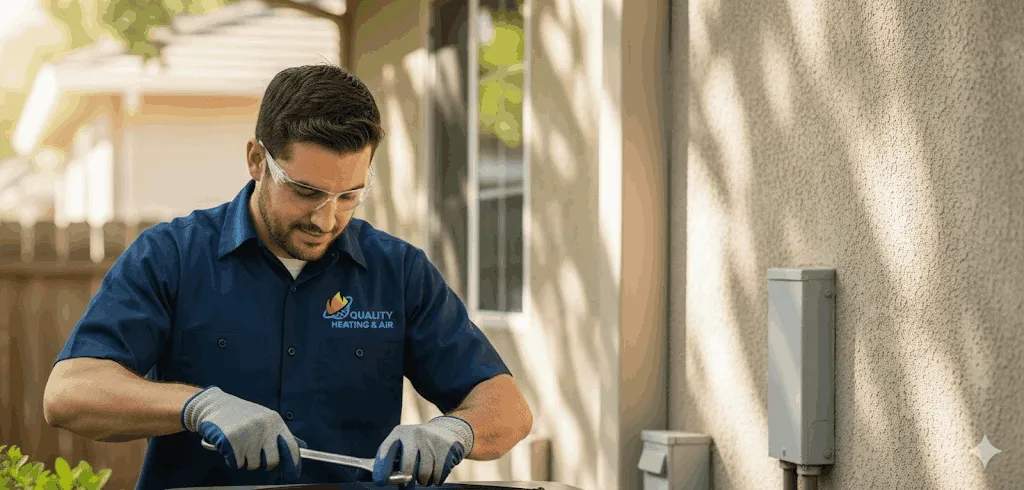
Furnace Installation in Northglenn, CO
Installing a new furnace is one of the most impactful upgrades you can make for winter comfort, energy savings, and home safety in Northglenn, CO. With cold, dry winters, elevation-related performance differences, and significant temperature swings between day and night, selecting and installing the right furnace for your Northglenn home matters.
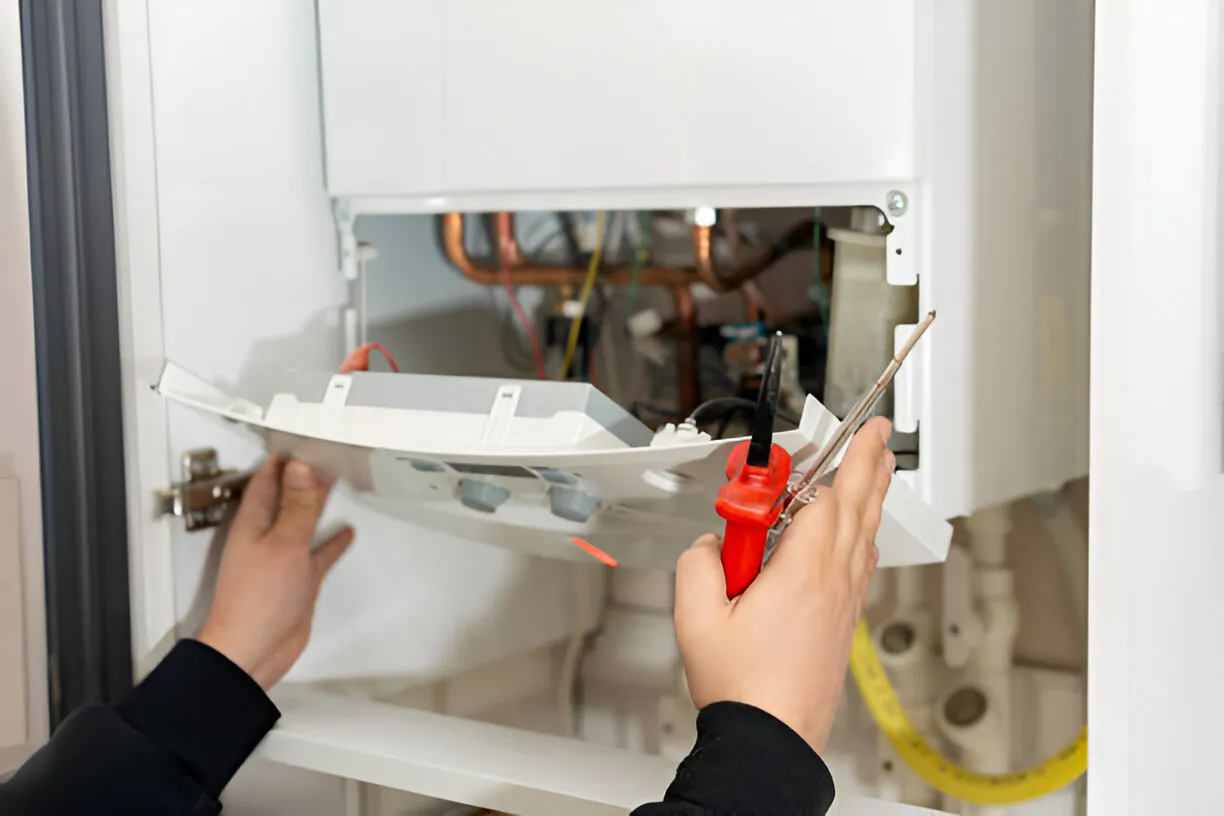
Why a professional furnace installation matters in Northglenn, CO
Northglenn homeowners face colder-than-average Denver-metro winters, lower humidity, and occasional heavy snow or ice. Those conditions increase heating demand and expose installation issues that might be overlooked in milder climates. A professional installation ensures the furnace performs reliably at elevation, delivers the efficiency promised, and integrates safely with your home’s gas, venting, and electrical systems. Proper installation also protects manufacturer warranties and reduces long-term operating costs.
Common furnace issues that lead to replacement
Many Northglenn homeowners opt for a new installation because:
- The existing furnace is over 15 to 20 years old and has declining efficiency.
- Frequent breakdowns, rising repair bills, or parts becoming unavailable.
- Uneven heating, cold spots, or inadequate capacity during deep cold snaps.
- Excessive noise, visible rust, or signs of combustion problems.
- Desire for higher efficiency equipment to lower utility bills and reduce carbon footprint.
Pre-installation assessment: getting sizing and load right
Accurate sizing is the foundation of a successful furnace installation. Oversized or undersized units cause comfort, efficiency, and longevity problems. A professional pre-installation assessment includes:
- A full heat load calculation (Manual J) that accounts for Northglenn-specific factors: local climate, home orientation, insulation levels, window types, and elevation.
- Duct analysis to determine airflow capacity and losses (Manual D implications).
- Evaluation of existing venting, combustion air availability, and gas line capacity.
- Assessment of electrical supply and thermostat compatibility.
The result is a recommendation for a furnace model and capacity that matches actual heating demand, not just square footage.
Installation steps you can expect
A standard professional furnace installation typically follows these steps:
- Site preparation and safety checks, including gas shutoff and clearance verification.
- Removal and proper disposal of the old unit when applicable.
- Installation of the new furnace cabinet, secure mounting, and connection to the flue or direct vent system.
- Gas line connection and pressure testing to ensure leak-free operation.
- Electrical connections, including appropriate breakers and wiring per code.
- Integration with existing ductwork or modifications to improve airflow if needed.
- Installation or upgrade of condensate drain for high-efficiency (condensing) furnaces.
- Thermostat wiring and configuration or smart thermostat pairing.
- Clean up and documentation of work performed.
For conversions (electric to gas, or changing venting types) or ductwork modifications, the project may be more involved and require additional trades.
Code and safety compliance
Safety and code compliance are nonnegotiable. A professional installer will:
- Obtain required local permits and schedule inspections when applicable.
- Ensure venting and combustion air meet local and state code standards.
- Verify clearances around the furnace and proper gas piping practices.
- Install or recommend carbon monoxide detection in accordance with safety guidelines.
- Perform gas leak checks and document pressure readings.
- Follow manufacturer installation manuals to preserve warranty coverage.
Meeting code not only ensures safety but also helps prevent future insurance or resale complications.
Thermostat integration and controls
Modern furnaces perform best when paired with the right controls. Installation considerations include:
- Verifying thermostat wiring and compatibility with single-stage, two-stage, or modulating furnaces.
- Installing or recommending a compatible smart thermostat for schedules, remote control, and energy reporting.
- Integrating zoning controls if your home uses dampers to manage separate temperature zones.
- Ensuring proper fan control settings to balance comfort and energy use.
Proper thermostat setup improves comfort, reduces cycling, and maximizes the furnace’s efficiency benefits.
Post-installation testing and commissioning
Commissioning confirms the system is safe, efficient, and operating as intended. Typical tests and verifications include:
- Combustion analysis and efficiency testing for gas furnaces to confirm proper fuel-air mix and safe exhaust composition.
- Measurement of temperature rise across the heat exchanger to validate manufacturer specifications.
- Carbon monoxide testing in the furnace area and near living spaces.
- Airflow checks and static pressure readings to confirm duct performance.
- Verification of electrical, safety controls, and thermostat functions.
- Final visual inspection and documentation, including model, serial numbers, and system settings.
You should receive a commissioning report detailing these results and any recommended follow-up items.
Warranty, documentation, and maintenance recommendations
Manufacturer warranties vary by model and efficiency level. A professional installation will include:
- Explanation of factory warranty coverage and what actions preserve it (for example, annual maintenance).
- Labor warranty terms provided by the installer when applicable.
- Documentation handed over at completion: equipment manuals, warranty registration instructions, and a summary of installed settings.
Maintenance guidance generally includes:
- Annual professional tune-up before the heating season to inspect burners, heat exchanger, electrical connections, and safety controls.
- Filter replacement every 1 to 3 months depending on filter type and household conditions.
- Periodic duct inspections and sealing to maintain airflow and efficiency.
- Quick attention to any unusual noises, odors, or performance shifts.
Regular maintenance helps sustain efficiency, prevent breakdowns during the coldest Northglenn nights, and extend equipment life.
Typical timelines you can expect in Northglenn
Timelines vary by job complexity:
- Initial on-site assessment and quote: same-day or within a few days.
- Equipment ordering and permit processing: 3 to 14 days depending on model availability and permit cycles.
- Standard replacement (like-for-like): typically 4 to 8 hours of on-site work, often completed in one day.
- Complex installations (duct redesign, vent conversions, or zoning): 1 to 3 days or more.
- New system with major home modifications may require multi-week scheduling.
Providing accurate timelines during the assessment helps set expectations for ordering, inspections, and coordinated work.
Long-term benefits and practical advice
A professionally sized and installed furnace delivers:
- Improved comfort with consistent temperatures during Northglenn winters.
- Lower energy bills through higher AFUE ratings and proper system balancing.
- Reduced repair frequency and longer equipment life.
- Safer operation with correct venting and combustion controls.
Practical tips for homeowners:
- Keep the furnace area clear and maintain accessible filters.
- Schedule an annual pre-season inspection.
- Consider upgrading to a programmable or smart thermostat to capture efficiency gains.
- Address any ductwork leaks or insulation deficiencies discovered during the assessment.
A careful installation and ongoing maintenance plan ensure your furnace remains dependable and efficient in Northglenn’s seasonal extremes.
Promotions
Save on seasonal system checks from a local team that treats your home like our own.

Testimonials
Neighbors trust Quality Heating & Air for honest work and fair pricing.