Furnace Repair in Northglenn, CO
Furnace Repair in Northglenn, CO
When your furnace stops producing reliable heat during a Colorado cold snap, you need fast, accurate furnace repair in Northglenn, CO that addresses the root cause and restores safe, efficient operation. Northglenn homes face long, chilly winters, wide day/night temperature swings, and occasional heavy snow and ice that put extra strain on aging heating systems.
Common furnace repair issues in Northglenn homes
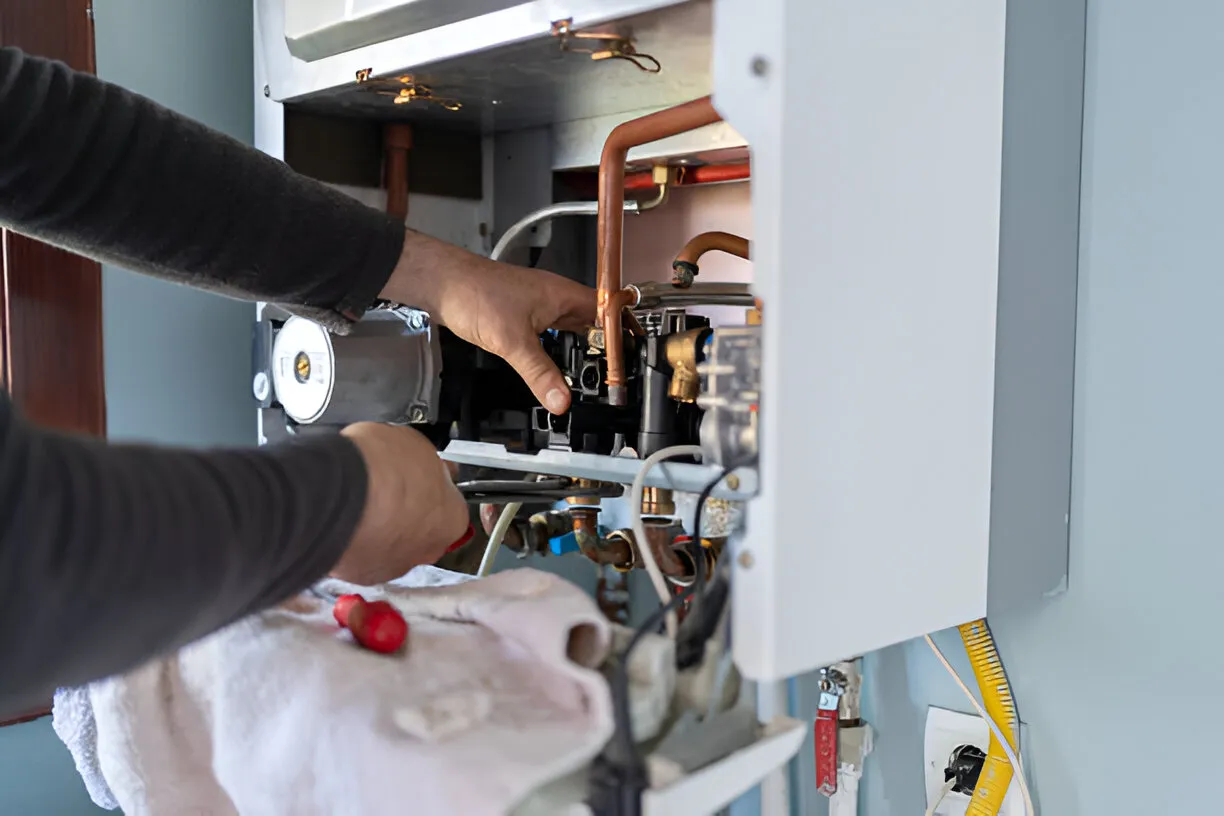
Many calls for furnace repair in Northglenn involve problems that reduce heat output, raise bills, or create safety concerns. Typical issues include:
- Poor or inconsistent heating — often caused by restricted airflow, clogged filters, or failing blower motors.
- Furnace not turning on — frequently the result of thermostat faults, failed ignitors or pilot assemblies, or control board issues.
- Short cycling (turning on and off frequently) — usually due to oversized systems, airflow problems, or safety limit switches triggered by overheating.
- Strange noises — squealing, grinding, or banging can indicate worn bearings, loose components, or failing motors.
- Pilot light or ignition failures — common in gas furnaces; ignition systems, burners, or gas valves may need service.
- Elevated energy bills — inefficiency from dirty burners, worn components, or poor combustion can drive costs up.
- Safety or venting problems — blocked flues, cracked heat exchangers, or improper combustion can create carbon monoxide risk.
In Northglenn, higher elevation affects combustion characteristics, so gas furnaces may require specific tuning or venting assessments that aren’t needed at sea level. Snow and debris can also impact outdoor vents and intake locations, so seasonal inspection is important.
Diagnostic process — what a professional furnace repair visit includes
A thorough diagnosis saves time and money by identifying the true cause before replacing parts. A typical furnace repair inspection covers:
- Visual and operational check of the furnace and thermostat.
- Filter and airflow assessment; return and supply vents checked for obstructions.
- Electrical tests of capacitors, motors, control boards, and relays.
- Inspection of burners, ignitor or pilot assembly, gas valve, and fuel delivery.
- Blower assembly and motor performance test.
- Combustion and venting assessment, including flue and draft checks.
- Carbon monoxide (CO) and safety limit testing, heat exchanger visual inspection where accessible.
Technicians document findings and provide a clear, written repair recommendation with options and cost estimates.
Emergency and same-day furnace repair options
Cold weather can create urgent situations. Emergency and same-day furnace repair in Northglenn typically prioritize:
- Systems that have stopped entirely during freezing conditions.
- Suspected carbon monoxide leaks or venting failures.
- Repeated system shutdowns or short cycling that leave rooms uncomfortably cold.
- Loud mechanical failures that indicate imminent component breakdown.
When safety risks are suspected, temporary measures (like safe shutdown or temporary heating alternatives) and prioritized diagnostics are used to stabilize the home while permanent repairs are scheduled.
Component repairs and replacements commonly performed
Repairs focus on restoring performance and safety while maximizing the remaining life of the system. Common component work includes:
- Burners and combustion chamber cleaning or replacement to restore efficient burning.
- Ignitor or pilot assembly replacement for reliable ignition.
- Thermostat calibration or replacement—upgrading to a programmable or smart thermostat can improve comfort and efficiency.
- Blower motor and fan repairs, including bearings, belts, and capacitor replacement.
- Control board diagnostics and replacement when system logic fails.
- Gas valve servicing and pressure verification to ensure safe fuel delivery.
Each repair comes with a clear explanation of why the component failed and how the fix improves performance.
Safety and carbon monoxide checks
Safety is a top priority for any furnace repair. Essential safety procedures include:
- Carbon monoxide testing at the furnace and living space after repair.
- Visual inspection of the heat exchanger for cracks or corrosion when accessible.
- Flue and vent integrity checks to ensure proper combustion exhaust.
- Verification of safety switches, limit controls, and pressure switches.
- Confirmation of correct gas pressure and combustion efficiency where applicable.
Because gas furnaces are common in Northglenn, these checks mitigate CO risk and ensure systems meet safe operating standards even at higher elevations.
Transparent pricing estimates and warranty information
Good furnace repair service provides clear, itemized estimates before work begins. Typical transparency elements:
- Written breakdown of parts, labor, and any diagnostic fees.
- Options for repair vs. replacement with cost comparison and expected service life.
- Disclosure of parts brands and whether new parts carry manufacturer warranties.
- Workmanship guarantees covering the repair labor for a stated period.
Expect to receive a written estimate that explains what’s included and the warranty coverage for both parts and labor.
When replacement may be more cost-effective than repair
Repair is usually the first choice, but replacement can be the better long-term decision when:
- The furnace is older than 15–20 years and non-condensing with low efficiency.
- Repairs would cost more than 50% of the replacement value or frequent repairs are needed.
- The heat exchanger is cracked or there are repeated safety issues.
- Upgrading to a high-efficiency model would substantially reduce energy costs in the long run, especially given Northglenn’s cold winters.
A replacement recommendation should include estimated energy savings, projected payback period, and the benefits of modern systems—quieter operation, improved air filtration, and smarter controls.
Post-repair tips and seasonal maintenance
After repair, routine maintenance extends life and reliability:
- Replace or clean filters every 1–3 months during heavy use.
- Keep return vents and registers clear of furniture or draperies.
- Schedule annual preseason inspections to clean burners, check combustion, and test safety controls.
- Monitor CO alarms and replace batteries regularly; a working alarm is a simple, essential safety layer.
Because Northglenn experiences both cold winters and dust or pollen seasons, two annual checks—one before winter and one after—help catch issues caused by seasonal stresses.
Promotions
Save on seasonal system checks from a local team that treats your home like our own.

Testimonials
Neighbors trust Quality Heating & Air for honest work and fair pricing.