
Furnace Replacement in Arvada, CO
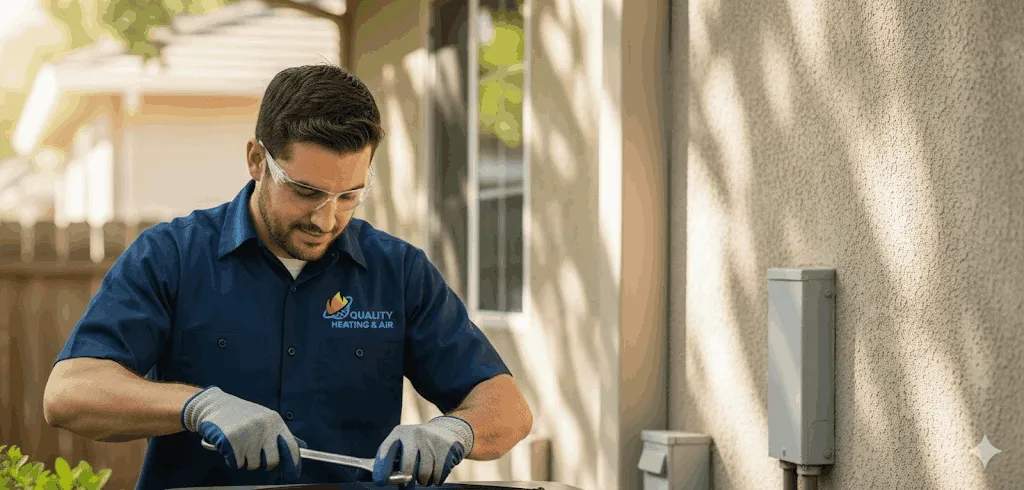
Furnace Replacement in Arvada, CO
Replacing a furnace is a major home investment. In Arvada, CO, where winters are cold and heating loads are significant, choosing the right time and the right system matters for comfort, safety, and long-term energy costs.
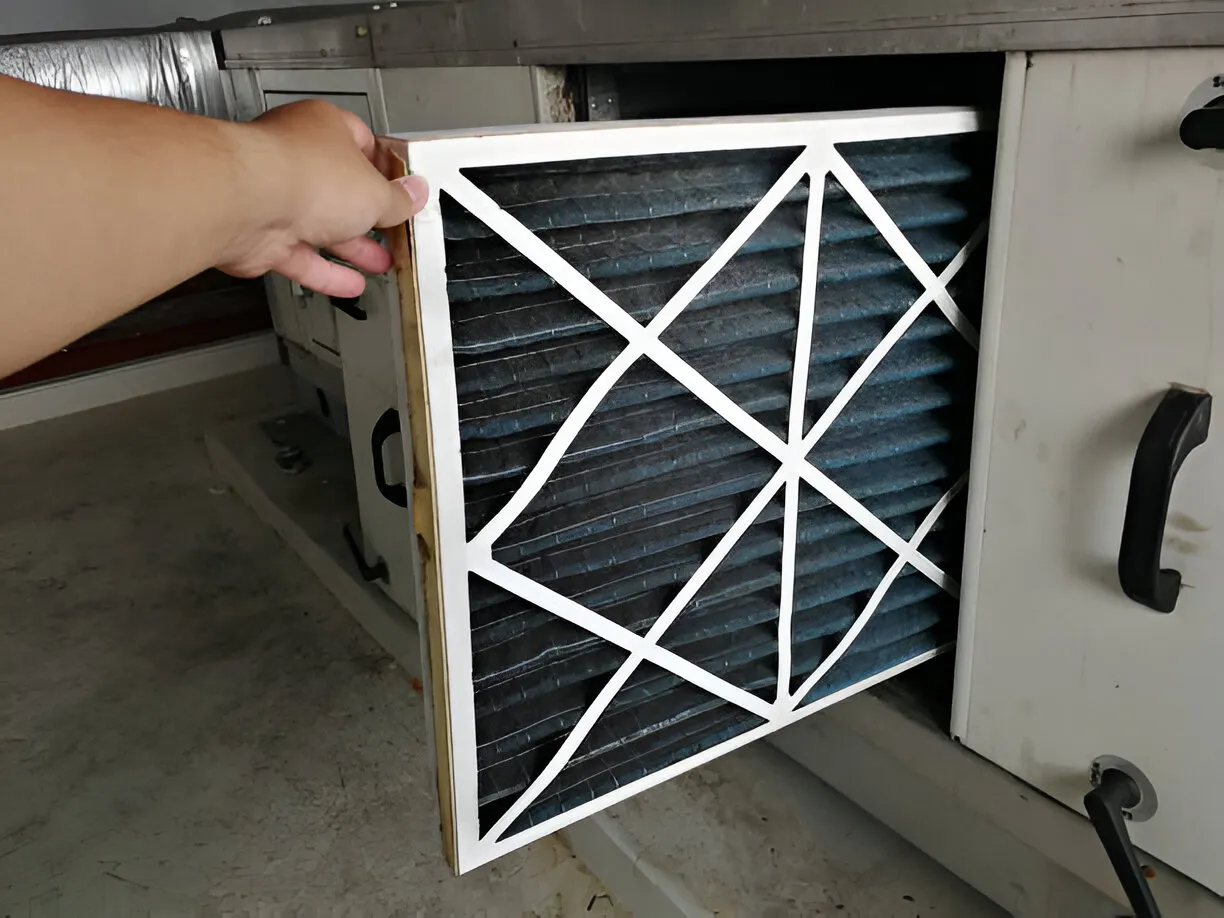
When to Repair vs Replace a Furnace in Arvada
Common signs replacement is the best choice:
- Age: Furnaces older than 15-20 years are near end-of-life. Parts become scarce and efficiency is low.
- Frequent repairs: Multiple repairs in a single season often exceed the value of continuing to fix the unit.
- Rising fuel bills: If heating costs are climbing despite routine maintenance, low AFUE is likely the cause.
- Uneven heating or poor comfort: Short cycling, cold spots, or excessive noise indicate core problems or an undersized/aged system.
- Safety concerns: Cracked heat exchangers, persistent carbon monoxide detector alerts, or repeated burner malfunctions require immediate replacement.
- Obsolete refrigerant or compatibility issues: If integrating with modern thermostats, heat pumps, or air conditioning, a replacement may be more cost-effective.
In Arvada, the combination of cold winters and high-altitude performance considerations means older, inefficient furnaces can cause noticeably higher utility bills and reduced comfort compared with a properly sized modern unit.
Furnace Sizing and Efficiency (AFUE)
Proper sizing is critical:
- Load calculation (Manual J): Sizing must be based on a detailed Manual J calculation that considers home square footage, insulation, window types, orientation, and Arvada’s winter design temperatures. Oversized furnaces short-cycle and reduce comfort; undersized units fail to meet demand.
- Airflow and ductwork (Manual D/Sheet Metal): Duct condition and sizing affect performance. Many replacement jobs include duct evaluation and repairs to ensure proper airflow.
AFUE explained:
- AFUE (Annual Fuel Utilization Efficiency) is the percentage of fuel converted to heat. A 95% AFUE furnace uses far less fuel than a 70% unit.
- In practical terms, upgrading from a 70-80% AFUE furnace to a 90-98% AFUE condensing furnace typically yields substantial natural gas savings. Annual savings vary with usage patterns and home efficiency but commonly range from 10-30% for older homes in colder climates.
Choosing the Right Brands and Models
Key factors to weigh:
- Efficiency rating (AFUE): Choose the highest AFUE that fits your budget and payback expectations. In Arvada’s cold months, higher AFUE delivers more predictable savings.
- Combustion and venting type: High-efficiency condensing furnaces use PVC venting and are more efficient but require proper condensate drainage and slightly different venting clearances than older B-Vent systems.
- Staging and modulation: Single-stage, two-stage, and modulating burners differ in how they match output to demand. Two-stage or modulating furnaces run longer at lower heat output for better comfort and efficiency, especially useful in tight, modern homes.
- Variable-speed blowers: Improve comfort, reduce noise, and can boost system efficiency.
- Brand reliability and local support: Consider brands with strong parts availability and local service technicians. Common, reputable options include Carrier, Trane, Lennox, Goodman, Rheem, Amana, and Daikin. Prioritize models with good warranty coverage and a proven local service network.
- System matching: If you have central air conditioning, choose a furnace that’s compatible with or properly matched to the outdoor unit and the air handler for optimal performance.
The Replacement Process: What to Expect
A professional furnace replacement typically follows these steps:
- Pre-installation assessment: Evaluate existing furnace, ductwork, venting, combustion air, and electrical/gas connections. Perform a Manual J load calculation.
- Permits and scheduling: Obtain required City of Arvada permits; this is standard for gas appliance replacements to ensure code compliance.
- Removal of the old unit: Disconnect gas, electrical, venting, and remove the existing furnace safely. Inspect flue, combustion air openings, and surrounding structure for damage.
- Ductwork and venting updates: Repair or re-size ducts if needed. Install proper venting (PVC for condensing units or approved metal venting) and ensure combustion air requirements are met.
- Installation of the new furnace: Set the new unit, connect gas and electrical, attach duct transitions, condensate lines (for condensing furnaces), and install flue/venting.
- Thermostat and controls: Install or reconfigure thermostat and any zoning or smart controls.
- Startup and testing: Perform initial startup, combustion analysis, gas pressure checks, safety cutoff tests, and verify proper airflow and temperatures. Check for carbon monoxide and proper venting operation.
- Commissioning and documentation: Confirm performance against the design, explain operation to the homeowner, and provide warranty documentation. Register manufacturer warranties when applicable.
Typical timeline:
- Standard whole-home furnace replacement usually requires one workday (4-8 hours) for straightforward swaps. Complex jobs involving extensive duct modifications, venting relocation, or structural access can take 1-2 days.
Permits, Financing, and Rebate Options
- Permits: City of Arvada building and mechanical permits are commonly required for furnace replacements to ensure compliance with fuel gas and mechanical codes. Licensed contractors typically pull permits on your behalf.
- Financing: Many homeowners use HVAC financing programs through lenders, banks, or manufacturer financing plans to spread costs over time. Loan terms, interest, and approval depend on the provider.
- Rebates and incentives: Check local utility incentives (Xcel Energy serves much of the Denver metro area, including Arvada) and manufacturer rebates for high-efficiency models. State and federal programs occasionally offer credits or incentives for energy-efficient equipment; availability and eligibility change over time, so confirm current offerings before purchase.
Expected Energy Savings and Warranty Information
- Energy savings depend on your starting point, system sizing, local fuel prices, and home efficiency. Replacing an old 60-80% AFUE furnace with a 90-98% AFUE condensing model often yields noticeable annual gas savings and faster payback in colder Colorado winters.
- Warranties: Manufacturer warranties commonly include limited parts coverage (often several years) and sometimes longer heat exchanger warranties. Warranty terms vary by brand and model; longer coverage may require timely registration and routine professional maintenance.
Post-Installation Care and Long-Term Benefits
- Routine annual maintenance extends furnace life and preserves efficiency: clean burners, inspect heat exchanger, check gas pressure, and test safety controls.
- Regular filter changes, proper thermostat programming, duct sealing, and attic insulation improvements all amplify savings and comfort.
- Benefits for Arvada homeowners include more consistent indoor temperatures during the cold season, reduced natural gas usage, quieter operation, and improved safety and reliability.
Replacing a furnace in Arvada, CO is both a comfort and safety decision. When done with correct sizing, proper venting, and attention to local code and weather-related needs, a new high-efficiency furnace delivers better comfort, lower operational costs, and peace of mind for winters ahead.
Promotions
Save on seasonal system checks from a local team that treats your home like our own.

Testimonials
Neighbors trust Quality Heating & Air for honest work and fair pricing.