
Furnace Installation in Arvada, CO
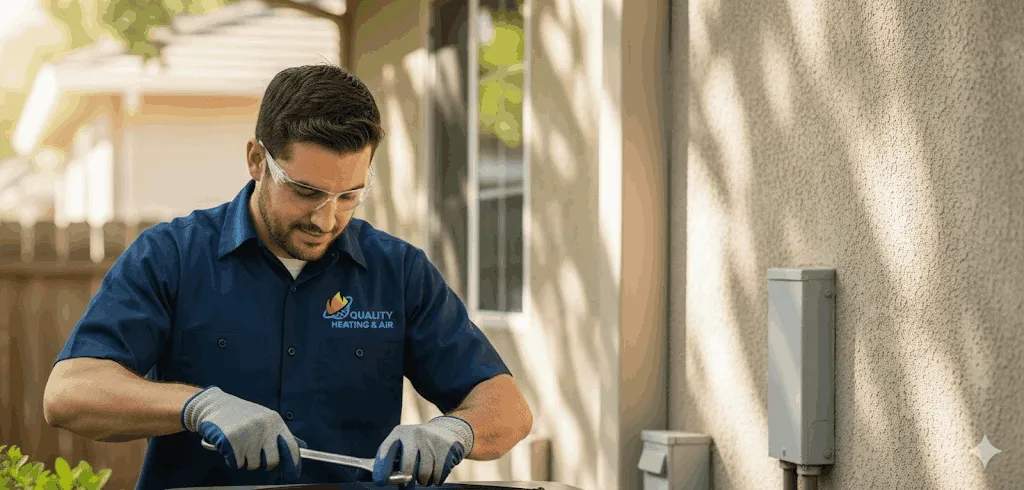
Furnace Installation in Arvada, CO
Replacing or installing a furnace in Arvada, CO is a significant home investment that affects comfort, energy bills, and safety for years. Arvada homes face cold, dry winters, high altitude performance considerations, and a mix of older and newer building stock—factors that make accurate sizing, proper venting, and ductwork condition critical.
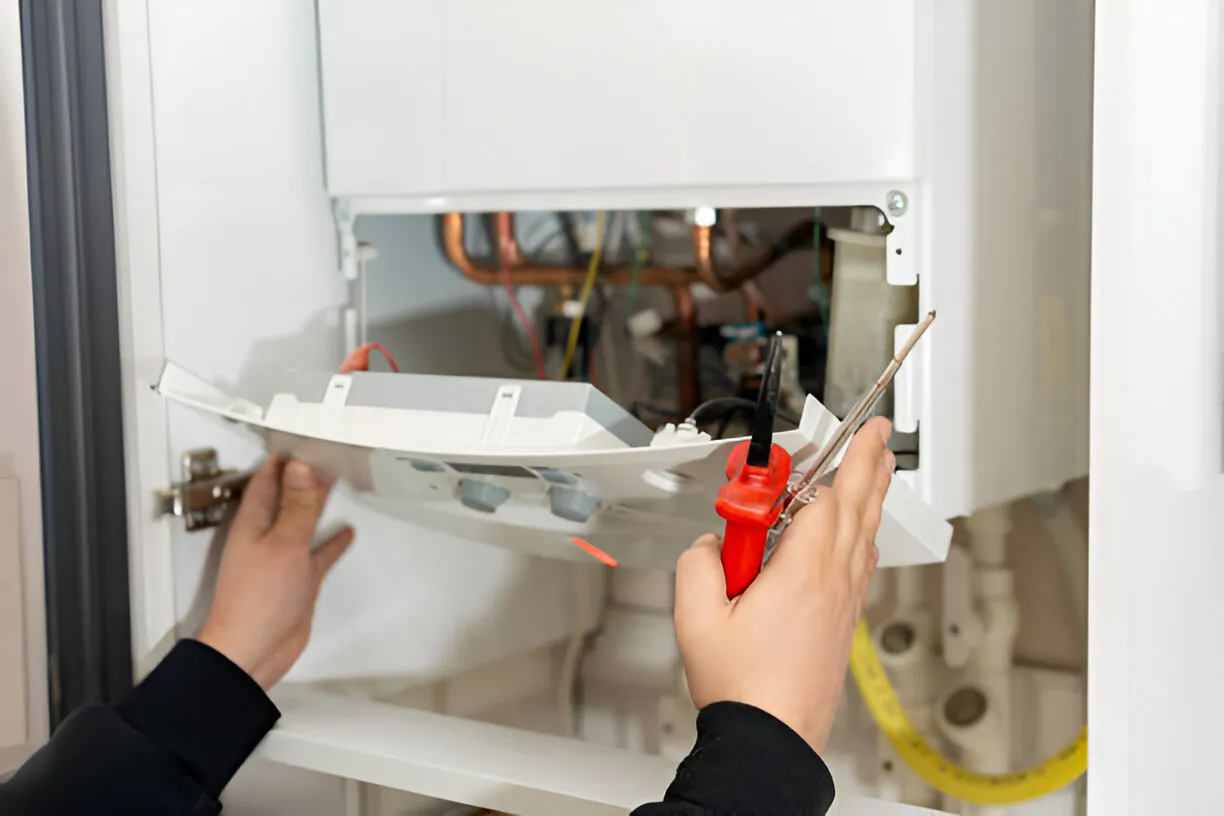
Why a proper installation matters in Arvada
A correctly installed furnace delivers consistent heat, lowers operating costs, and reduces carbon monoxide and combustion risks. In Arvada, colder months and temperature swings can amplify problems caused by undersized equipment, poorly sealed ducts, or incorrect venting. Homes at higher elevation also see slightly different combustion characteristics; a system installed for local conditions prevents inefficiency and premature wear.
Common furnace types and what fits Arvada homes
- Gas furnaces (natural gas): Most common in Arvada for efficient, reliable heat. High-efficiency condensing models (AFUE 90%+) recover more heat and reduce gas use.
- Electric furnaces: Simpler installation but higher operating costs unless paired with a low-cost electric plan or supplemental heat pump.
- Modulating and two-stage furnaces: Provide more consistent comfort and fewer temperature swings—useful in well-insulated Arvada homes.
- Variable-speed ECM blower motors: Improve airflow, quieter operation, and better humidity control during Colorado winters.
Common furnace installation issues in Arvada, CO
- Undersized or oversized equipment from guesswork rather than load calculations.
- Leaky, undersized, or poorly insulated ducts in older homes, causing uneven heat and higher bills.
- Improper venting or combustion air in tight, weatherized homes leading to safety risks.
- No consideration for altitude adjustments affecting combustion efficiency.
- Lack of planning for supplemental humidification in dry winter weather.
Diagnostic step: load calculation and system planning
A professional installation begins with a proper load calculation. This determines the heating requirement of your specific Arvada home based on:
- Square footage and ceiling heights
- Insulation levels and window types
- Air infiltration and orientation to sun exposure
- Local climate data and altitude effects
This calculation (often called Manual J) prevents oversizing or undersizing the furnace. From there, airflow planning (Manual D) maps duct layout and sizing to deliver correct CFM to each room.
Ductwork assessment and recommended upgrades
A thorough duct assessment checks for:
- Leaks at joints and registers
- Undersized runs or too many bends
- Poor insulation in unconditioned spaces (attic, crawlspace)
- Improperly balanced supply and return pathways
Common upgrades in Arvada homes include sealing with mastic or UL-approved tape, adding insulation to exposed ducts, resizing key runs, and installing a properly located return. Fixing ducts at the time of furnace installation maximizes system efficiency and comfort.
Professional installation steps
- Initial consultation and on-site evaluation, including Manual J and duct inspection.
- Selection of appropriate unit type and size based on load, fuel availability, and efficiency goals (AFUE rating, variable-speed options).
- Permit application and scheduling per local Jefferson County/Arvada code requirements.
- Removal of old equipment and preparation of plenum and mounting location.
- Installation of furnace, combustion venting, and required clearances.
- Integration with thermostat and any zoning or humidification components.
- Duct connections, sealing, and insulation as needed.
Technicians follow manufacturer installation instructions and local code to ensure safety and reliable operation.
Safety, code compliance, and inspections
Installed systems must meet local building and mechanical codes. Key safety and compliance elements include:
- Proper venting and termination for gas combustion, sized and pitched correctly
- Combustion air provisions in sealed or tightly built homes
- Carbon monoxide and combustion safety testing following installation
- Permit approval and final inspection by the local authority having jurisdiction (often Jefferson County or City of Arvada inspectors)
- Proper electrical connections and breaker sizing
Carbon monoxide detectors and smoke alarms located per code are essential after a furnace installation. Altitude adjustments and manufacturer altitude limits are verified to ensure combustion components operate safely at Arvada’s elevation.
Start-up testing and system balancing
On completion, a start-up checklist and performance testing confirm the system is functioning as intended:
- Ignition and combustion analysis (if gas): flame stability, CO levels, and proper venting draft
- Measured airflow and static pressure checks to match design CFM
- Temperature rise across the heat exchanger to ensure safe operation
- Thermostat calibration and programming, including any smart or zoned controls
- Brief run-through of safety shutdown scenarios
Balancing ensures each room gets the designed airflow, eliminating cold spots and improving efficiency.
Warranty, manufacturer registration, and documentation
A professional installation includes guidance on warranty coverage and registration. Documented items typically provided:
- Manufacturer warranty information and registration assistance
- Work order and installation report with model and serial numbers
- Copies of permits and inspection sign-offs
- Recommended maintenance schedule to preserve warranty validity
Registering the equipment promptly and keeping installation records protects your coverage and can speed future service.
Homeowner orientation and maintenance guidance
Before technicians leave, homeowners receive an orientation covering:
- How the thermostat works, recommended settings, and energy-saving strategies for Arvada winters
- Basic filter selection and replacement intervals (MERV ratings explained)
- Signs of trouble to watch for: unusual noises, odor, low airflow, or fluctuating temperatures
- Importance of annual tune-ups to maintain efficiency and safety—especially before the heating season
- Benefits of adding a whole-home humidifier in Arvada’s dry climate to reduce static, protect wood floors, and improve comfort
Routine maintenance items include changing filters regularly, keeping returns and vents unobstructed, and scheduling combustion safety and efficiency checks annually.
Long-term benefits of a correct installation
A furnace installed to local conditions and building specifics will:
- Deliver consistent comfort during Arvada’s cold months
- Reduce fuel consumption and operating costs
- Extend equipment life and protect manufacturer warranties
- Improve indoor air quality and reduce uneven heating
- Minimize safety risks associated with combustion equipment
A thoughtful installation that includes load calculation, duct repair, code-compliant venting, and careful start-up testing gives homeowners reliable heat, lower bills, and peace of mind throughout Colorado winters.
Promotions
Save on seasonal system checks from a local team that treats your home like our own.

Testimonials
Neighbors trust Quality Heating & Air for honest work and fair pricing.