Furnace Repair in Arvada, CO
Furnace Repair in Arvada, CO
A malfunctioning furnace in Arvada can turn a cold Front Range night into an urgent problem. Winters here are cold and persistent, and homes in Arvada — many of which are older or built before modern efficiency standards — rely on a well-functioning heating system.
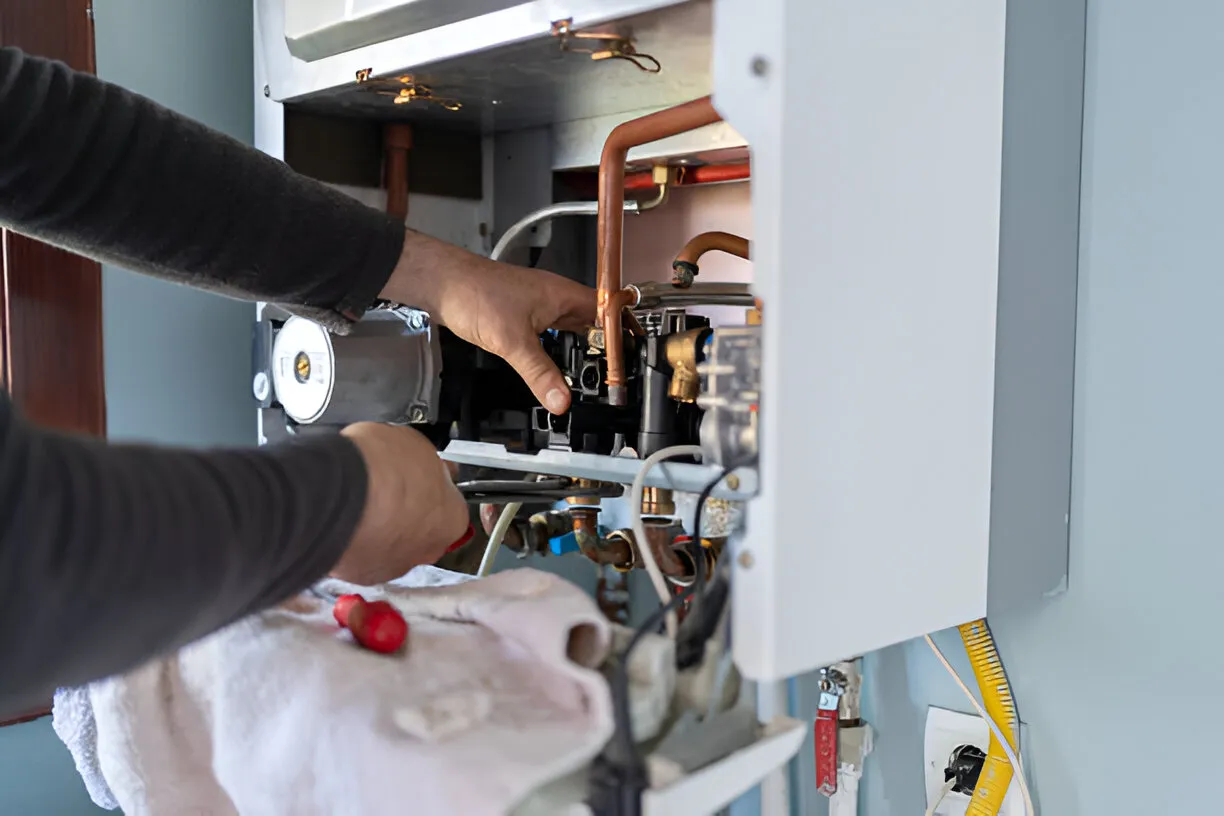
Common furnace problems and symptoms in Arvada homes
Living at higher elevation and dealing with seasonal temperature swings can expose certain furnace issues more quickly. Watch for these frequent symptoms:
- No heat at all - Furnace fan runs but no warm air, or system is completely unresponsive.
- Strange noises - Rattling, banging, squealing, or a high-pitched whine that increases with use.
- Pilot or ignition failures - Older pilot lights that won’t stay lit or electronic ignitors that fail to spark.
- Frequent short cycling - Furnace turns on and off frequently, never completing a full heating cycle.
- Weak airflow or uneven heating - Certain rooms remain cold while others are warm.
- Unusual odors - Burning smells, gas odor (very serious), or persistent musty smells.
- Rising energy bills with no change in usage - Often indicates reduced efficiency or a failing component.
How technicians diagnose furnace problems
Professional diagnosis focuses on safety and a fast path to a reliable repair. A typical diagnostic visit includes:
- Visual inspection - Check the furnace cabinet, vents, flue, and visible wiring for obvious issues.
- Safety checks - Inspect for gas leaks, verify venting and combustion air, and test carbon monoxide detection if available.
- Thermostat and controls - Verify thermostat settings, batteries, wiring, and control board function.
- Ignition and flame analysis - Evaluate pilot/ignitor operation and flame quality to spot gas pressure or combustion issues.
- Electrical and motor tests - Check blower motor, capacitors, relays, and circuit protections.
- Airflow and filter check - Inspect filter, blower wheel, and return ducts for restrictions that affect performance.
- Heat exchanger and combustion chamber - Look for corrosion or cracks that could create safety risks.
- System performance test - Run the furnace while monitoring temperatures, cycle behavior, and error codes.
Diagnostics typically take 30 to 90 minutes depending on access and complexity.
Typical repairs and parts replacement
Once the problem is identified, repairs range from simple adjustments to parts replacement. Common procedures include:
- Filter replacement / cleaning - Restores airflow and reduces cycling or overheating.
- Thermostat repair or replacement - Fixes control and sensing issues causing no heat or cycling.
- Ignitor or pilot assembly replacement - Replaces worn or failed ignitors on modern furnaces or relights/replaces pilot components on older systems.
- Flame sensor cleaning or replacement - Resolves burners that won’t stay lit.
- Blower motor or capacitor replacement - Fixes weak airflow, squealing noises, or motors that fail to start.
- Limit switch or control board repair - Addresses overheating shutdowns and erratic operation.
- Gas valve replacement - Required when valve fails to open consistently or safely.
- Inducer motor or draft issues - Corrects venting problems and noisy startups.
- Heat exchanger assessment - Cracked or corroded heat exchangers are a serious safety issue; in many cases they require system replacement rather than repair.
Minor repairs and parts swaps can often be completed the same day (1 to 2 hours). Major repairs or heat exchanger replacements can take several hours and may require scheduling parts.
Expected response times and emergency availability
In Arvada’s heating season, timely service is critical. Typical expectations:
- Routine service appointments - Often scheduled within 24 to 72 hours depending on season and demand.
- Same-day repairs - Possible for many common failures when technicians have parts on hand.
- Emergency repairs - 24/7 emergency availability is common for threats to safety (gas smell, no heat in freezing weather, carbon monoxide alarm). Response time for emergencies depends on local availability but is typically faster than routine scheduling.
Technicians prioritize safety issues such as gas leaks, CO alarm activations, and total heat loss on very cold nights.
Pricing factors and warranty coverage
Repair cost varies with several factors:
- Age and make of the furnace - Older units may be harder to source parts for and more expensive to repair.
- Type of repair - Labor and parts costs differ greatly between a simple filter or ignitor and a gas valve or heat exchanger.
- Parts brand and quality - OEM parts cost more; aftermarket options may be less expensive but have different warranties.
- Diagnostic fees and trip charges - Many services include a diagnostic fee that may be applied to repair.
- Season and demand - Peak winter months can increase service rates and lead times.
- Accessibility - Units in tight spaces or attics can increase labor time.
Warranty coverage varies. Manufacturer warranties can cover parts for many years depending on the brand and the part. Service warranties from contractors commonly cover labor for a limited period (for example, 30 to 365 days depending on the company and the repair). Always confirm warranty details before repair work is performed.
Troubleshooting tips you can try safely
Before calling a technician, try these simple checks:
- Verify thermostat settings - Ensure it is set to heat and the temperature is above room temperature.
- Check power - Replace thermostat batteries, check furnace power switch and breakers.
- Inspect the air filter - Replace a dirty filter; restricted airflow causes many issues.
- Look for error codes - Modern furnaces flash diagnostic codes that can be read from the control board.
- Confirm pilot or ignition - For older pilot systems, ensure the pilot light is lit; do not attempt complex pilot adjustments.
- Clear vents and returns - Ensure registers are not blocked by furniture or curtains.
Safety warning: If you smell gas, evacuate the home immediately and call the gas utility or emergency services. Do not attempt to light the furnace or operate electrical switches.
When to call a professional
Call a licensed technician if you encounter any of the following:
- No heat during cold weather after basic checks.
- Persistent gas smell or gas odor near the furnace.
- Carbon monoxide alarm activation or symptoms of CO exposure (headaches, nausea, dizziness).
- Frequent short cycling that persists after changing filters and checking thermostat.
- High-pitched or banging noises, or any new, loud mechanical sounds.
- Visible cracks or corrosion on the heat exchanger or flue.
- Repeated resets or electrical tripping.
Reasonable preventive action and timely professional furnace repair in Arvada protect comfort, reduce energy waste, and keep your household safe during cold months. Proper diagnosis and repairs performed by a qualified technician will restore reliable heat and help extend the life of your system.
Promotions
Save on seasonal system checks from a local team that treats your home like our own.
Testimonials
Neighbors trust Quality Heating & Air for honest work and fair pricing.