
Boiler Tune Up in Louisville, CO

Boiler Tune Up in Louisville, CO
A professional boiler tune up is one of the smartest investments Louisville homeowners can make to ensure safe, reliable, and efficient heating through Colorado winters. With colder months, higher elevation, and occasional rapid temperature swings, boilers in Louisville homes face unique stresses. A thorough tune up addresses common failure points, restores combustion efficiency, and helps prevent costly mid-winter breakdowns—giving you steady heat, lower fuel use, and greater peace of mind.
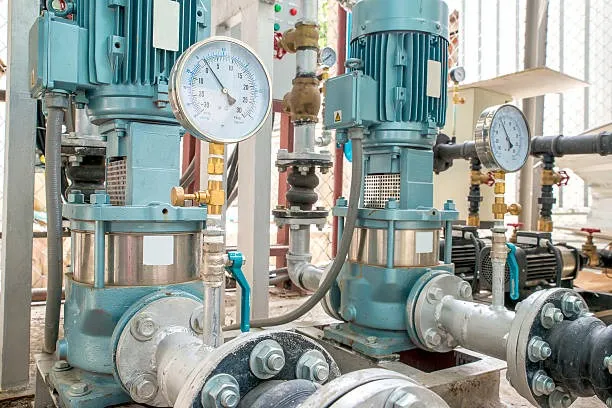
Why a boiler tune up matters in Louisville, CO
- Louisville sits at higher elevation, which changes combustion characteristics. Proper adjustment for altitude ensures safe, efficient fuel burning.
- Cold snaps and freeze-thaw cycles increase demand on heating systems and raise the risk of leaks, pressure issues, and thermal stress.
- Older homes in the area often have cast-iron or hydronic systems that benefit from regular cleaning, water chemistry checks, and pressure verification.A tune up identifies early signs of trouble, restores optimal settings, and verifies all safety systems are working.
What we inspect and service during a boiler tune up
A complete boiler tune up covers mechanical, combustion, and safety items. Typical tasks performed include:
- Cleaning burners and combustion chamber to remove soot and debris that reduce heat transfer and efficiency.
- Checking and adjusting controls and ignition systems so your boiler starts smoothly and cycles correctly.
- Combustion efficiency testing (flue gas analysis) to verify proper air-fuel ratio and make altitude-appropriate adjustments to the burner.
- Testing safety devices including high-limit controls, pressure relief valves, and carbon monoxide safeguards.
- Verifying system pressures and expansion tanks to ensure proper water volume and prevent short cycling or leaks.
- Thermostat and control verification to confirm accurate temperature control and correct scheduling.
- Inspecting flue and venting for blockages, corrosion, or improper draft—critical at higher elevations.
- Checking pumps, valves, and circulating components for noise, wear, and proper operation.
- Bleeding radiators and flushing localized air in hydronic systems to restore balanced heat distribution.
- Water chemistry and corrosion checks where applicable to identify scale, corrosion, or low pH that shortens component life.
Common boiler issues found in Louisville homes
- Yellow or sooty flame caused by poor combustion or burner fouling
- Frequent pressure swings from failing expansion tanks or leaks
- Short cycling due to improper controls, oversized boilers, or clogged heat exchangers
- Uneven heating in older hydronic systems because of trapped air or failing circulator pumps
- Venting problems or draft reversals influenced by local wind patterns and chimney condition
- Mineral scale in systems using hard water, leading to reduced heat transfer and efficiency
How combustion checks differ at elevation
At Louisville’s elevation, there is less oxygen per cubic foot of air. That means burners often need different air-fuel adjustments than sea-level installations. A professional tune up includes a flue gas analysis to measure oxygen, carbon monoxide, and combustion efficiency, then adjusts the burner to restore safe, efficient operation specific to your altitude and fuel type (natural gas, propane, or oil).
Typical duration and what affects the time required
- A standard residential boiler tune up generally takes about 60 to 90 minutes for a single heating appliance.
- Systems with extensive soot buildup, older equipment, complex hydronic zoning, or multiple boilers may require additional time.
- If repairs or parts replacement are needed, the technician will document findings and recommend appropriate next steps as part of preventive maintenance planning.
Recommended tune-up frequency
- Annual tune up before the heating season is the industry standard and the best practice for Louisville homes.
- Homes with older boilers, heavy usage, or hard water conditions may benefit from semi-annual checks or additional mid-season inspections.
- If you rely on a boiler for domestic hot water year-round, consider a spring check to catch any issues before the next heating cycle.
How a tune up fits into a preventive maintenance plan
An annual tune up is one element of a broader preventive maintenance program that extends equipment life and minimizes emergency repairs. Effective plans typically include:
- Annual professional inspections and combustion tuning
- Seasonal filter and strainer checks where applicable
- Periodic water chemistry testing and scale control in hard-water areas
- Zone balancing and radiator bleeding for even heat distribution
- Regular inspection of venting, chimneys, and combustion air pathways
- Record-keeping of maintenance history to identify trends before failures occur
Benefits Louisville homeowners see after a tune up
- Improved efficiency and lower fuel usage from cleaner burners and optimized combustion at elevation
- Greater reliability and fewer mid-winter failures, reducing the likelihood of emergency service calls
- Safer operation through verified safety devices and reduced risk of dangerous exhaust or carbon monoxide exposure
- Extended system life by preventing corrosion, scale accumulation, and premature component wear
- More consistent comfort with balanced heat distribution and properly functioning controls
Warning signs you should schedule service now
If you notice any of the following in your Louisville home, a prompt professional inspection is advisable:
- Unusual noises (clanking, banging, or continuous short cycling)
- Yellow or smoky flame, excessive soot, or visible soot around burner areas
- Frequent pressure loss or pressure relief valve activity
- Uneven heating, cold radiators, or circulation problems
- Persistent odors of gas or exhaust (treat any fuel smell as an emergency)
Given Louisville’s altitude and seasonal temperature swings, an annual boiler tune up tailored to local conditions is essential for safety, efficiency, and reliable comfort. Prioritize combustion testing and vent inspection to address elevation-related combustion differences and ensure safe exhaust. Incorporate water treatment, pressure checks, and control calibration into your regular maintenance routine to prevent small issues from becoming major repairs.
A properly timed, professionally executed boiler tune up keeps your system running efficiently, extends its useful life, and reduces the chance of costly interruptions when you need heat the most.
Promotions
Save on seasonal system checks from a local team that treats your home like our own.

Testimonials
Neighbors trust Quality Heating & Air for honest work and fair pricing.